
Co naprawdę zmienia się w jamie ustnej
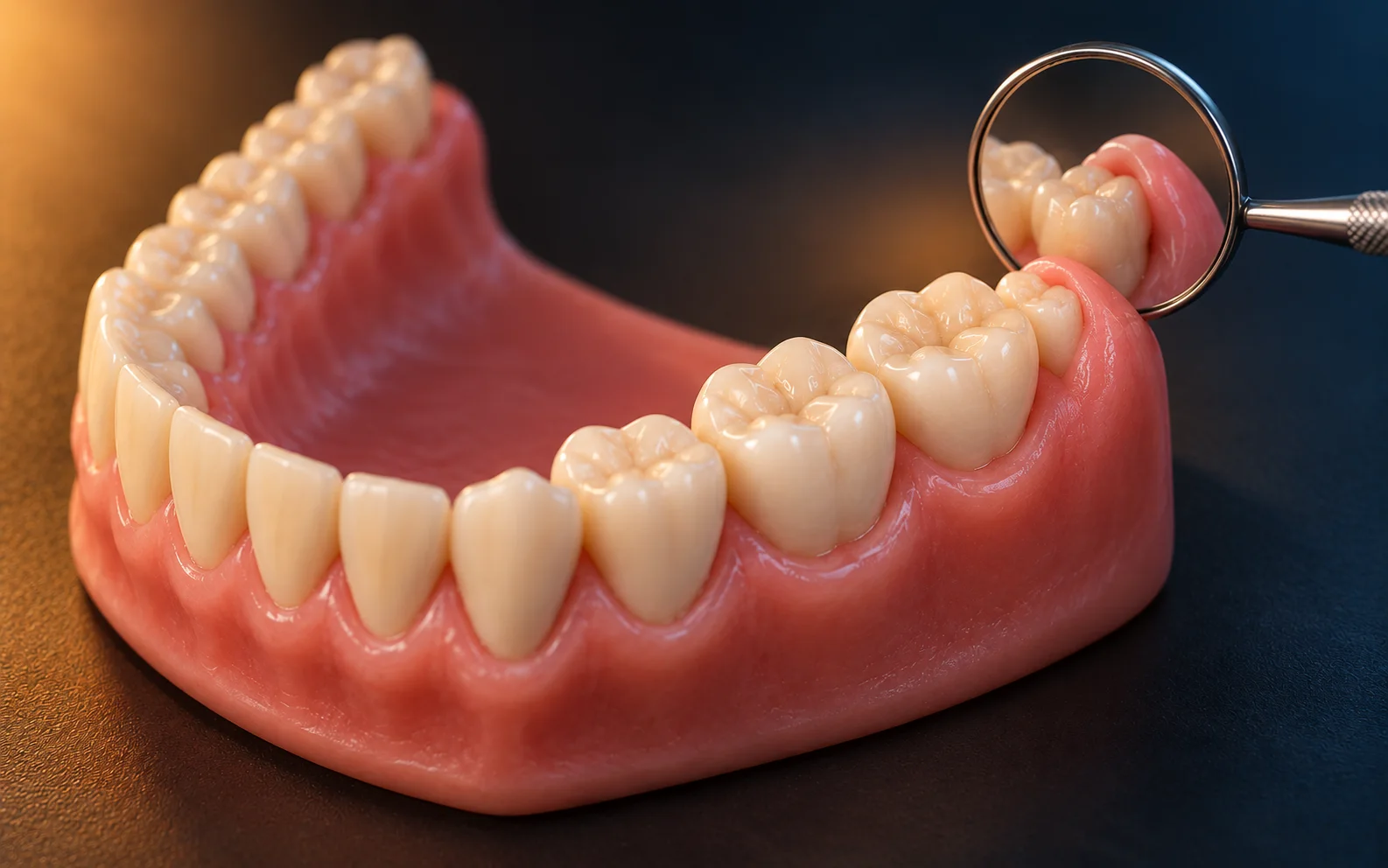
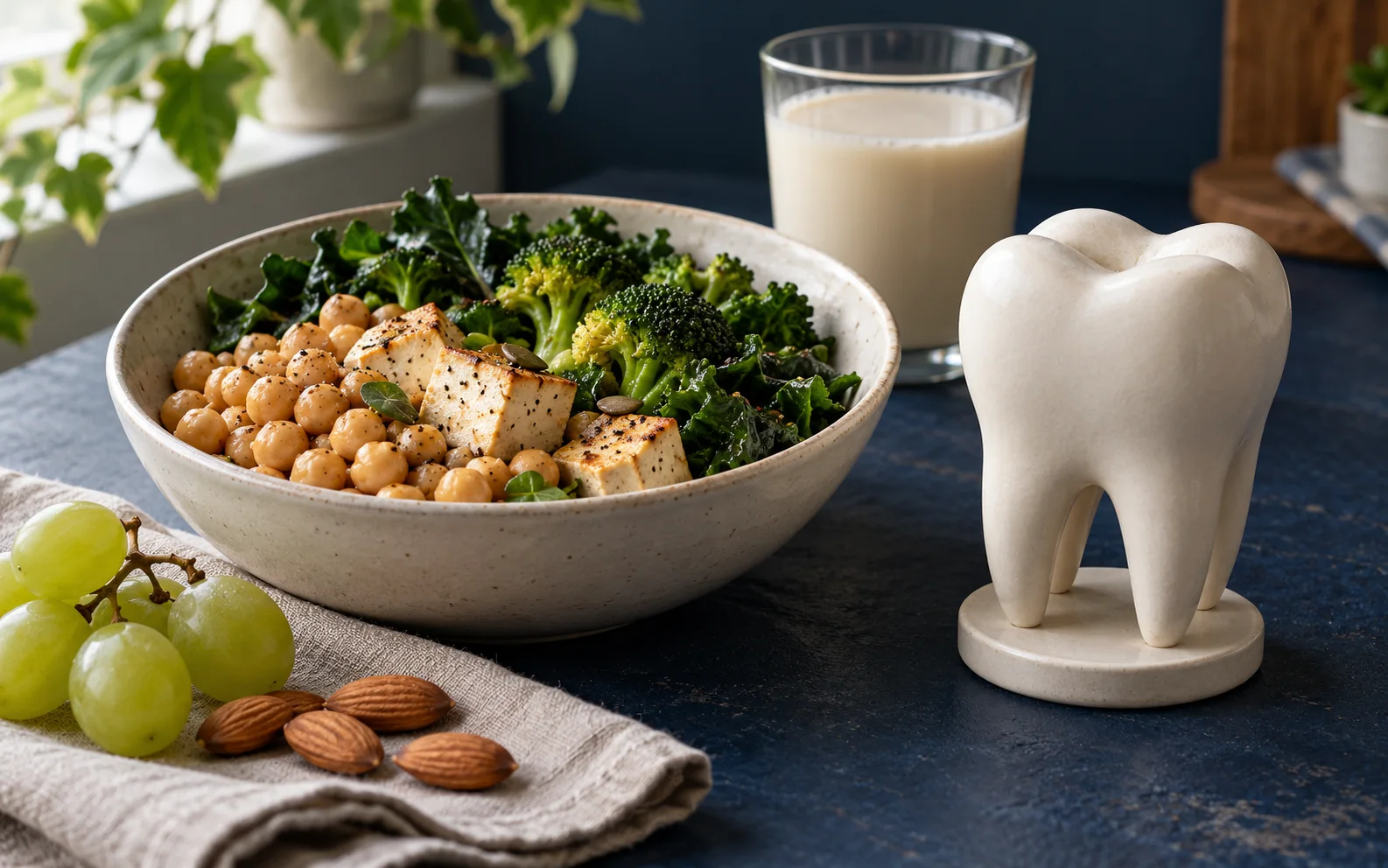
Roślinny talerz sam w sobie nie szkodzi zębom. Liczy się nie nazwa diety, tylko to, ile razy dziennie coś trafia do ust i czy kilka składników odżywczych jest pokrytych. Sposób jedzenia oparty na warzywach i roślinach strączkowych oznacza więcej żucia, a żucie daje więcej śliny; ślina rozcieńcza kwas i wnosi minerały z powrotem na powierzchnię zęba. Kiedy ten sam sposób jedzenia opiera się na owocach, suszonych owocach i sokach, rośnie też liczba spotkań z kwasem.
To częstotliwość ustala obciążenie kwasem, a nie ilość
Zjedzenie miski winogron za jednym razem to dla zębów nie to samo co jedzenie tych winogron po jednym przez cały dzień. Po każdym kontakcie z kwasem powierzchnia zostaje zmiękczona przez jakiś czas, a ślina potrzebuje czasu, żeby ją odbudować. Im częściej coś wpada między posiłkami, tym mniej tego czasu zostaje. Ponieważ przekąską przy diecie roślinnej są zwykle owoce, suszone owoce albo orzechy, częstotliwość rośnie niepostrzeżenie.
- Suszone owoce przyklejają się do zębów i siedzą w bruzdach powierzchni żującej znacznie dłużej niż owoce świeże.
- Soki i koktajle rozprowadzają kwas owoców w płynnej postaci po wszystkich powierzchniach zębów.
- Woda z cytryną, dressingi z octem i kombucza też należą do obciążenia kwasem; nie muszą smakować słodko.
- Kwas przyjęty do posiłku oznacza krótszy kontakt niż to samo przyjęte między posiłkami.
Jak B12, witamina D i wapń pokazują się w jamie ustnej
B12 nie występuje pewnie w produktach roślinnych, więc u osób jedzących w ten sposób zwykle trzyma się poziom B12 pod obserwacją, a zapotrzebowanie pokrywa się zwykle żywnością wzbogacaną albo suplementem. Niedobór może pokazać się wcześnie w jamie ustnej: język robi się gładki i jaskrawoczerwony, piecze, kąciki ust pękają, a owrzodzenia wracają. Witamina D jest potrzebna, żeby wchłaniał się wapń, a wapń jest budulcem kości wokół zęba. To, jak pokryć te trzy, bywa różne u różnych osób i jest decyzją lekarza i dietetyka razem.
- Jeśli język wygląda gładko albo czerwono, albo jeśli piecze, warto sprawdzić poziomy we krwi.
- Pękanie i zaczerwienienie w kącikach ust często idą w parze z niskim żelazem, niskim poziomem witamin z grupy B i zakażeniem grzybiczym.
- Nawracające owrzodzenia trzeba pokazać dentyście.
- Łatwo krwawiące dziąsła zwykle wskazują na płytkę, choć niedobór żywieniowy może pogorszyć obraz.
Jama ustna to jedno z pierwszych miejsc, w których niedobór staje się widoczny: zmianę na języku albo w kąciku ust zauważa się często przed jakimkolwiek wynikiem badania krwi.
Napoje roślinne: fluor i ukryty cukier
Napoje roślinne nie są źródłem fluoru; fluor dociera do jamy ustnej głównie z pasty do zębów. Druga sprawa to cukier: w części napojów roślinnych cukier powstaje w czasie produkcji, nawet jeśli nic nie dodano, a napój owsiany jest znanym przykładem. Wersje smakowe i dosładzane idą jeszcze wyżej. W produktach wzbogaconych w wapń wapń osiada na dnie kartonu, więc szklanka nalana bez wstrząśnięcia nie zawiera tego, co mówi etykieta.
Które objawy nie czekają
Większość zmian w jamie ustnej idzie powoli i da się je załatwić na zaplanowanej kontroli. Ale jeśli do pieczenia języka dołącza drętwienie albo mrowienie rąk i stóp, taki obraz powinien obejrzeć lekarz bez zwłoki. Rana, która nie zamknęła się po dwóch tygodniach, też nie czeka na następną kontrolę.
Śledzenie tego, co dzieje się w jamie ustnej przy diecie roślinnej, idzie przez regularne kontrole stomatologiczne i, w razie potrzeby, badania krwi. Dentysta widzi, co pokazuje jama ustna, a dietetyk patrzy na układ posiłków; razem dają jaśniejszy obraz.
Najczęściej zadawane pytania
Czy picie kwaśnych napojów przez słomkę pomaga?
Trochę tak: słomka prowadzi napój obok przednich zębów w głąb jamy ustnej, więc na ich powierzchnię trafia mniej kwasu. Ważniejsze jest jednak to, jak często się pije; kwaśny napój popijany przez cały dzień, nawet przez słomkę, wciąż raz po raz naraża zęby na kwas.
Czy dieta wegańska podnosi ryzyko próchnicy?
Sama w sobie nie. Decydują trzy nawyki: ile razy dziennie coś słodkiego albo kwaśnego trafia do ust, czy regularnie używa się pasty z fluorem i czy czyści się przestrzenie między zębami.
Czy napoje roślinne zastępują mleko krowie?
Z punktu widzenia jamy ustnej liczą się dwie rzeczy: czy napój jest wzbogacony w wapń i czy zawiera cukier. Napój niewzbogacony nie liczy się jako źródło wapnia. Szersze porównanie żywieniowe należy do dietetyka.
Jak niedobór B12 pokazuje się w jamie ustnej?
Gładki, jaskrawoczerwony język, pieczenie języka, pęknięcia w kącikach ust i nawracające owrzodzenia to znane objawy. Mogą mieć też inne przyczyny, a rozróżniają je poziomy we krwi.
Czy szczotkowanie zaraz po czymś kwaśnym szkodzi?
Zaraz po kwasie powierzchnia przez jakiś czas pozostaje miększa, dlatego lepiej nie szczotkować właśnie wtedy. Praktycznym sposobem jest zmiana kolejności: umyć zęby przed śniadaniem, w którym jest coś kwaśnego, na przykład sok pomarańczowy, a po nim tylko wypłukać usta wodą.
Ta treść ma charakter ogólnoinformacyjny i nie zastępuje badania.
Opracowanie
Canan Kale
Weryfikacja medyczna: Nilufar Tulanova Şener, Lekarz dentysta, stomatologia estetyczna
Ten artykuł powstaje w oparciu o doświadczenie kliniczne zespołu Papatya Dental i przed publikacją jest sprawdzany pod kątem rzetelności.
- Ostatnia aktualizacja:
- 2026-09-21
- Kontakt z redakcją:
- icerik@papatyadental.com