

What is a gingivectomy?
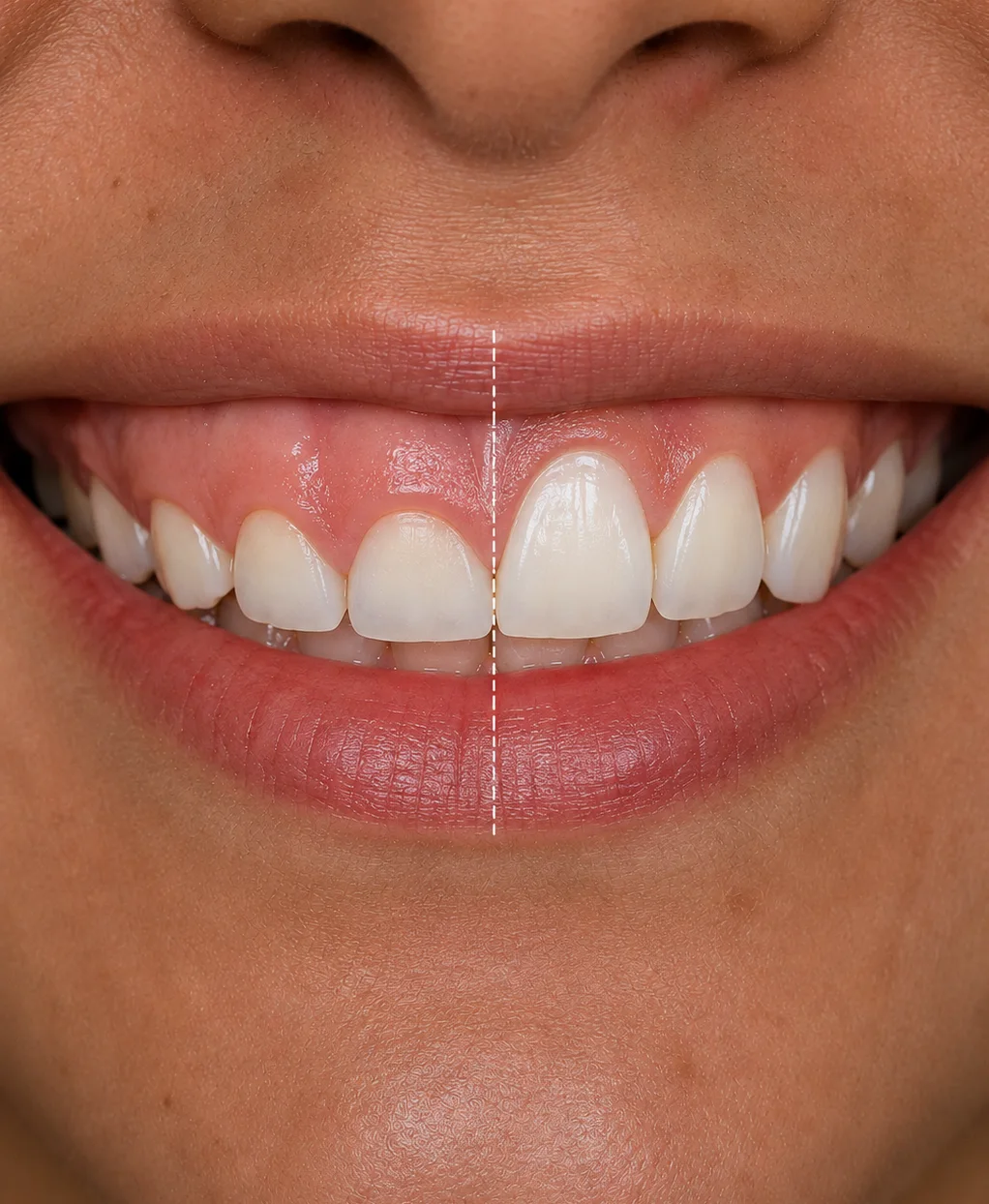
Healthy gums surround the neck of the tooth with a thin edge. In some cases, this tissue becomes thicker, enlarged or extends further over the tooth than it should. The result is not only an appearance issue: a space forms between the tooth and gum that a toothbrush cannot reach, allowing bacterial plaque to accumulate there.
During a gingivectomy, this excess tissue is removed and the gum line is shaped to follow a line close to the tooth’s natural form. The procedure is performed under local anaesthetic and may take 20–45 minutes, depending on the size of the area.
A gingivectomy does not treat gum disease itself; it removes the environment in which the disease is present. For this reason, it is often planned after a tartar removal procedure or curettage and root planing.
When is it considered?
Whether it is suitable is determined through an examination inside the mouth and, when necessary, an X-ray. Common situations include:
- Gum enlargement caused by medication (some medicines for high blood pressure, epilepsy and immune conditions can have this effect)
- Thickening of the tissue as a result of gum inflammation continuing for a long time
- A smile line in which the gums cover too much of the teeth, making them look short
- Gum tissue covering the working area where a filling or crown is to be placed
- Gum tissue that enlarges during orthodontic treatment and makes cleaning difficult
The procedure and aftercare
Once the area has been numbed, the excess tissue is removed. Bleeding is usually limited and is controlled at the end of the procedure. Stitches are not always needed; this is decided according to the extent of the tissue removed.
Sensitivity in the area is expected during the first few days and decreases on its own. Avoiding hot, hard and spicy foods for a while makes healing easier. You should not stop brushing your teeth; your dentist will explain how to approach the area.
It takes several weeks for the gum tissue to settle. During this time, the gum line may change slightly; if an aesthetic crown is planned, the impression is usually taken after healing is complete.