


Overview of Implant Treatment
Implant treatment is intended to support function and appearance by replacing missing teeth with artificial roots placed in the jawbone and prosthetic teeth made on top of them. It may be considered in various situations, from the loss of a single tooth to the loss of multiple teeth.
As part of the treatment, it is important to examine the oral and jaw structure, gum health, bone volume, and general health. This assessment helps determine whether the area where the implant will be placed is suitable and whether additional procedures may be needed.
Different prosthetic options, such as crowns, bridges, or removable prostheses, may be planned on the implant. The aim is to support chewing function, prevent unnecessary treatment of adjacent teeth, and create a solution that is compatible with the existing oral structures.
Planning is carried out individually for each person; the number of missing teeth, the condition of the bone and gums, the bite relationship, oral hygiene habits, and expectations affect the treatment approach. After examination and any necessary imaging, suitable options are evaluated in detail.
Purpose of the treatment
It is an option intended to support chewing, speech, and aesthetic concerns caused by missing teeth.
What is an implant?
It is an artificial root structure placed in the jawbone and intended to perform the function of a natural tooth root.
For which types of tooth loss is it considered?
It may be planned for the loss of a single tooth, multiple teeth, or all teeth when suitable conditions are present.
Prosthetic options
Fixed crowns, bridges, or structures that support the retention of prostheses may be placed on the implants.
Individualised planning
Bone volume, gum health, bite alignment, and general health affect the treatment plan.
Importance of examination
Clinical assessment and imaging help determine the conditions for implant treatment and alternative options.
Who May Be Suitable for Implant Treatment?
Suitability for implant treatment is determined by evaluating together the area of the missing tooth, the condition of the jawbone and gums, the sustainability of oral care, the bite relationship, general health information, and the person’s treatment expectations.
People with a single missing tooth
When support for the area of the missing tooth is desired without treating the neighboring teeth, an implant-supported single-tooth restoration may be considered after examination.
People with multiple missing teeth
When multiple teeth are missing in the same jaw area, implant options may be included in the treatment plan to support fixed or removable prostheses.
People who want to improve denture retention
If a removable denture tends to move in the mouth and affects chewing or speech, implants that support denture retention may be considered when adequate conditions are present.
People who can maintain regular oral care
People who can perform daily oral care and comply with recommended follow-up appointments may be considered for the long-term monitoring of the tissues around the implant.
Bone structure and anatomical boundaries
Imaging is used to examine the bone volume and density in the implant area and its relationship with anatomical structures such as the nerve canal, sinus cavity, and adjacent roots.
Bite and restoration plan
The way the jaws meet, the distribution of chewing forces, the condition of the opposing teeth, and the cleanability of the planned prosthesis are evaluated together.
Uncontrolled oral problems
If active gum disease, cavities requiring treatment, or signs of infection are present, these problems may need to be brought under control before implant planning.
General conditions that may affect healing
In the presence of uncontrolled systemic diseases, certain medications, or habits that may negatively affect healing, treatment may be postponed or alternative approaches may be considered.
Possible Risks of Implant Treatment
The possible risks of implant treatment may vary depending on the jawbone and gum structure, overall health, oral hygiene, the implant site, and any planned additional procedures. Examination and imaging help assess these factors in advance.
Temporary discomfort after surgery
Pain, swelling, tenderness, mild bleeding, or bruising may occur at the treatment site after implant placement. The severity of these effects varies according to the extent of the procedure and the individual’s healing response; unexpected or worsening symptoms should be evaluated.
Infection and healing problems
An infection in the surgical area or failure of the wound to heal as expected may affect implant treatment. Oral hygiene, gum health, general health conditions, and adherence to postoperative care recommendations are important when assessing this risk.
Insufficient integration of the implant with the bone
In some cases, the implant may not fuse with the jawbone to the planned extent or may lose stability during the healing period. The amount and quality of the bone, conditions at the implant site, chewing forces, and individual factors may affect this possibility.
Effects on adjacent anatomical structures
The implant site may be close to nerves, sinus cavities, neighboring tooth roots, and other anatomical structures. In rare cases, numbness, tingling, or sinus-related problems may develop if these structures are affected; therefore, careful planning is important.
Inflammation around the gums and bone
Gum inflammation or bone loss associated with plaque buildup may occur around the implant. If this is not detected early, it may affect the support provided by the tissues surrounding the implant; regular check-ups and effective oral care play a role in managing the risk.
Problems with the restoration and bite
The crown, bridge, or prosthesis on the implant may loosen, fracture, or wear, or discomfort may occur during chewing. Bite forces, teeth grinding, and maintenance of the restoration are taken into account when assessing these types of problems.
How does implant treatment proceed?
Implant treatment consists of detailed evaluation, surgical placement, monitoring of healing, and preparation of a suitable prosthesis to be placed on the implant. The scope of treatment may vary depending on the oral conditions and the planned restoration.
- 1
Examination and treatment planning
The dentist plans the implant site by evaluating the intraoral examination and any necessary imaging. The condition of the bone, gums, bite, and existing teeth is assessed; if necessary, preparations to be completed before treatment are identified.
- 2
Preparing oral health for treatment
If conditions such as decay, gum disease, or infection are present before implant treatment, plans are made to bring them under control. Additional procedures may also be included in the treatment process when support for the bone and soft tissues is needed.
- 3
Placing the implant in the jawbone
The implant body is surgically placed in the planned area. After the procedure, protecting the site, maintaining oral hygiene, and attending the check-ups recommended by the dentist help the healing process to be monitored.
- 4
Monitoring healing and integration with the bone
Follow-up examinations are carried out while the implant is expected to integrate with the jawbone. During this period, healing, gum health, and the tissues around the implant are evaluated; the timing of the next stage is determined according to the clinical findings.
- 5
Preparing the prosthetic restoration
Once the implant has healed sufficiently, an impression is taken and the planned crown, bridge, or denture is prepared. The restoration is designed to be compatible with the adjacent teeth, gum line, and bite.
- 6
Follow-up and continued oral care
After the prosthesis is placed, chewing function, the bite, and access for cleaning are checked. Regular check-ups and maintaining the recommended oral care habits are important for the long-term health of the implant and surrounding tissues.
Alternative Options to Implant Treatment
Options other than implants are considered by evaluating the number of missing teeth, the condition of the neighboring teeth, the gum and bone structure, the bite relationship, and the person’s expectations. The appropriate approach is determined after a clinical examination and any necessary imaging.
Tooth-Supported Fixed Bridge
This method uses the teeth on either side of the missing tooth for support and fills the gap with a fixed prosthesis. It may be considered instead of an implant when preparing the neighboring teeth for a bridge is appropriate.
Removable Partial Denture
This option aims to replace missing teeth with a prosthesis that can be inserted and removed from the mouth. It may be considered when multiple teeth are missing and a fixed restoration is not suitable or not preferred.
Complete Removable Denture
This is a removable prosthesis prepared for jaws with complete tooth loss, supported by the gums and jaw tissues. Without implant placement, it may be considered to support chewing and appearance in cases of complete edentulism.
Monitoring the Gap
Particularly in the posterior region, monitoring the gap may be considered for some missing teeth that do not significantly affect chewing or the bite. With this approach, movement of the neighboring teeth, overeruption of the opposing tooth, and oral health are assessed through regular check-ups.
Digital Imaging and Planning in Implant Treatment
In implant planning, intraoral records and radiographic imaging may be used in addition to the clinical examination. These methods can support the assessment of the bone structure in the area of the missing tooth, its relationship with adjacent teeth, and the space required for the planned prosthesis.
A panoramic X-ray or, when necessary, three-dimensional imaging can help examine the volume of the jawbone and the location of anatomical structures such as the nerve canal and sinus. The type of imaging is selected according to the clinician’s examination findings and the scope of the planned procedure.
Intraoral scanning or conventional impression records may be used in designing an implant-supported crown or prosthesis. These records are evaluated together with the bite, tooth alignment, and appearance of the soft tissues; the final decision is based on the clinical evaluation.
Panoramic X-ray Evaluation
It may be one of the initial records that helps examine the general appearance of the jaws, existing teeth, root structures, and areas of missing teeth together.
Three-Dimensional Jaw Imaging
When necessary, it supports the assessment of bone width and height and the location of important anatomical structures in different sections, providing information for surgical planning.
Intraoral Scan or Impression Record
It may help record the relationship of the planned implant-supported restoration with the teeth, the amount of available space, and measurements related to prosthesis design.
Digital or Physical Model Analysis
It supports the evaluation of prosthesis design by allowing work on tooth alignment, the occlusal relationship, and the position of the planned tooth.
Surgical Planning Records
Reviewing examination, imaging, and impression data together helps plan the implant’s position and angulation and the space to be allocated for the restoration.
Recovery Process After Implant Treatment
Recovery after implant placement may vary from person to person depending on the scope of the procedure, the condition of the bone and gums, overall health, and oral care. Your dentist’s personalized recommendations, nutrition plan, and follow-up schedule always take priority.
- 1
Protecting the treatment area during the first few days
After the procedure, tenderness, mild swelling, bruising, or bleeding in the form of slight oozing may occur in the treatment area. Avoiding strain on the area, avoiding hard foods, and following your dentist’s recommended oral care routine support recovery.
- 2
Recovery of the soft tissues
After the initial period, the gum tissue gradually settles. It is important not to place strain on the treatment area while chewing, to maintain oral hygiene gently, and to follow the instructions for using any temporary restoration.
- 3
The implant’s integration with the bone
The process by which the implant integrates with the jawbone varies depending on the individual and the treated area. Even if there is no significant discomfort during this period, the implant area should be protected from excessive loading and planned clinical check-ups should not be missed.
- 4
The restoration and long-term follow-up
When your dentist considers it appropriate, a planned crown, bridge, or prosthesis can be placed on the implant. Regular oral care and professional check-ups afterward help monitor gum health and the tissues around the implant.
Maintain careful oral hygiene
Clean the treatment area as instructed by your dentist, and do not neglect brushing and interdental cleaning of the other teeth. Plaque accumulating around the implant may negatively affect gum health.
Protect the area from excessive loading
Especially during the early period, avoid applying intense chewing pressure to the treatment area with hard, sticky, or crusty foods. Adjust your diet gradually according to your dentist’s instructions.
When pain increases or bleeding continues
Contact your clinic if you experience unexpectedly increasing pain, bleeding that does not stop or starts again, progressively worsening swelling, or a bad smell or taste.
When movement is felt in the implant area
Contact the clinic for evaluation if you notice movement in the implant, temporary restoration, or prosthesis; new discomfort when biting; or a condition that makes chewing difficult.
Factors affecting the cost of implant treatment
The cost of implant treatment may vary depending on the number of missing teeth, the condition of the jawbone and gums, and the planned prosthetic restoration. The exact fee is determined after a clinical examination, any necessary imaging, and an individualized treatment plan.
Implant site and number of missing teeth
Planning an implant to replace a single tooth is not the same in scope as rehabilitating multiple missing teeth. The number of implants to be placed and the anatomical conditions of each site affect the scope of treatment planning and application.
Bone volume and suitability of the implant site
The height, width, and density of the jawbone are important when assessing the area where the implant will be placed. If bone support is insufficient, additional bone-regeneration procedures may be needed to make the site suitable, which can affect the cost.
Gum health and additional oral preparations
If gum disease, an active infection, teeth requiring extraction, or other oral problems affecting the implant site are present, they may need to be addressed before implant placement. The scope of these preparations can affect the total treatment cost.
Type of planned prosthetic restoration
A single crown, bridge, or a structure supporting the retention of a removable prosthesis may be planned on top of the implant. The number of teeth in the restoration, its design, the laboratory procedures used, and its fit in the mouth are important components of the cost.
Imaging, planning, and clinical follow-up requirements
A clinical examination and any necessary imaging may be performed to assess the implant site safely. Depending on the complexity of the case, the scope of digital planning, impression-taking, and follow-up checks during healing may vary.
Bite alignment and aesthetic requirements
Chewing forces, the position of the opposing teeth, and the match in color and shape—especially in visible areas—affect the design of the restoration. The individualized work required to achieve harmony with the natural teeth may be reflected in the cost.
Temporary price estimate
€900 – €4,500
This preliminary estimate is not the clinic’s definitive price quotation; the actual fee is determined after examination and an individualized treatment plan.
Before / After

Frequently Asked Questions About Implant Treatment
What is the main purpose of implant treatment?
The purpose of implant treatment is to create a solution that supports chewing function and appearance in place of missing teeth. Prosthetic teeth planned on artificial roots placed in the jawbone are evaluated with the aim of achieving harmony with the existing structures in the mouth.
Is implant treatment suitable for everyone?
Implant treatment may not be equally suitable for everyone. The condition of the jawbone, gum health, general health, bite relationship and oral hygiene habits are evaluated together with examination and imaging to determine an approach appropriate for the individual.
Can an implant be placed when a single tooth is missing?
Implant treatment is one of the options that may be considered for a single missing tooth. When suitable conditions are present, the condition of the neighboring teeth, bone volume and gum health are also taken into account when planning treatment for the missing tooth area.
What tooth options can be placed on an implant?
Crowns, bridges or structures that support the retention of removable prostheses may be planned on implants. The choice of the prosthetic restoration is made according to the number of missing teeth, the other teeth in the mouth, the bite arrangement and the individual's needs.
Why is imaging performed before implant treatment?
Imaging helps evaluate the bone structure and surrounding tissues in the area where the implant will be placed. This examination allows the placement conditions, possible need for additional procedures and alternative treatment options to be planned more appropriately.
Is oral care important after implant treatment?
Oral care is important after implant treatment because it contributes to maintaining the health of the gums and surrounding tissues. Continuing the check-ups recommended by the dentist and maintaining regular oral hygiene habits are considered important for long-term follow-up.
Can an implant not be placed if the amount of bone is insufficient?
The appearance of insufficient bone does not necessarily mean that an implant cannot be placed. The condition of the area is examined through clinical examination and imaging; if necessary, the need for additional procedures or different treatment options is evaluated by the dentist.
Medical sources
View medical sources
Medically reviewed by

Ahmet Metin Bal
Chief Dentist
View doctor profile
Nilufar Tulanova Şener
Dentist, Aesthetic Dentistry
View doctor profile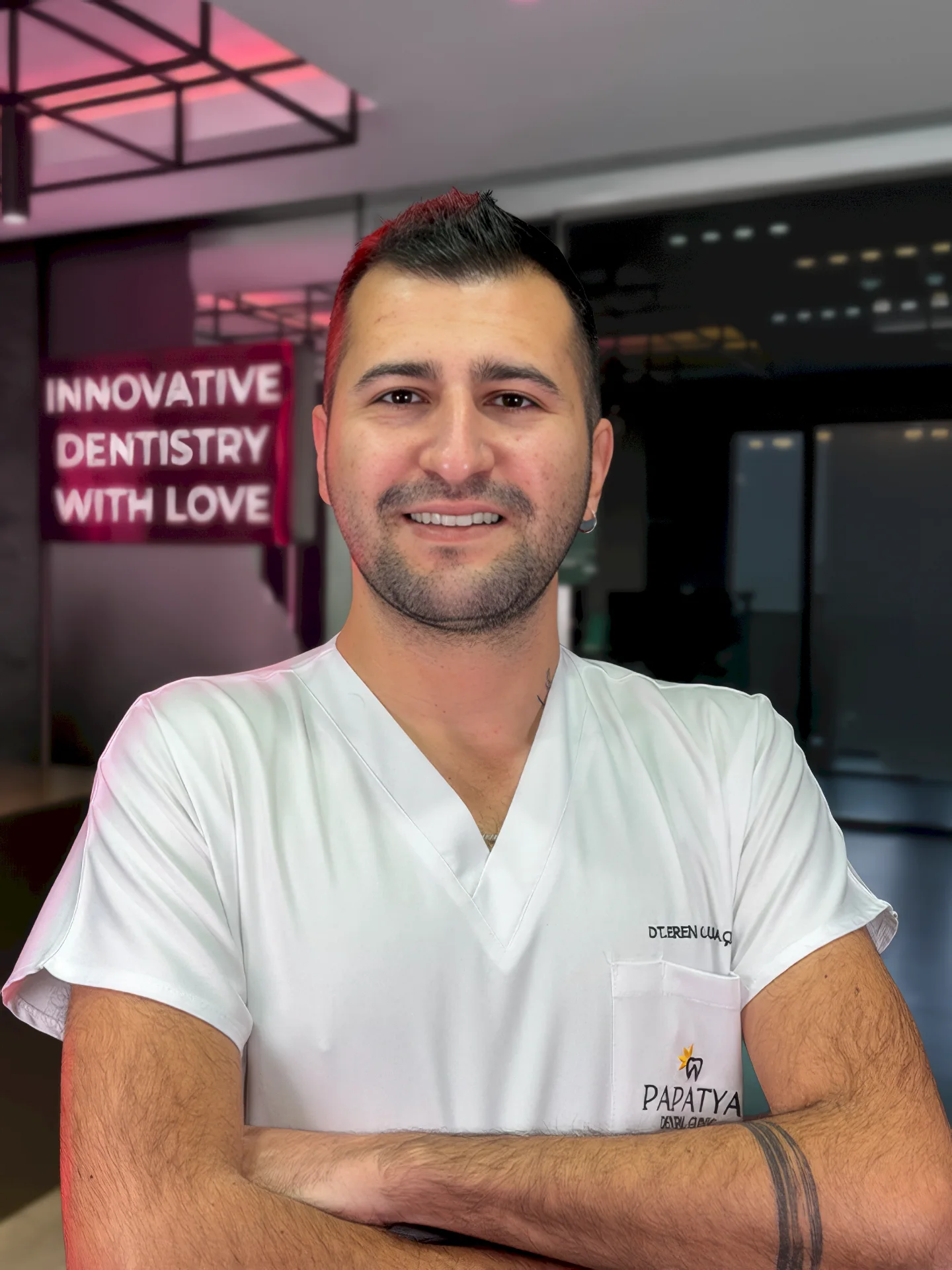
Eren Koluaçık
Dentist, Aesthetic Dentistry
View doctor profileLast medical review: 17 August 2026