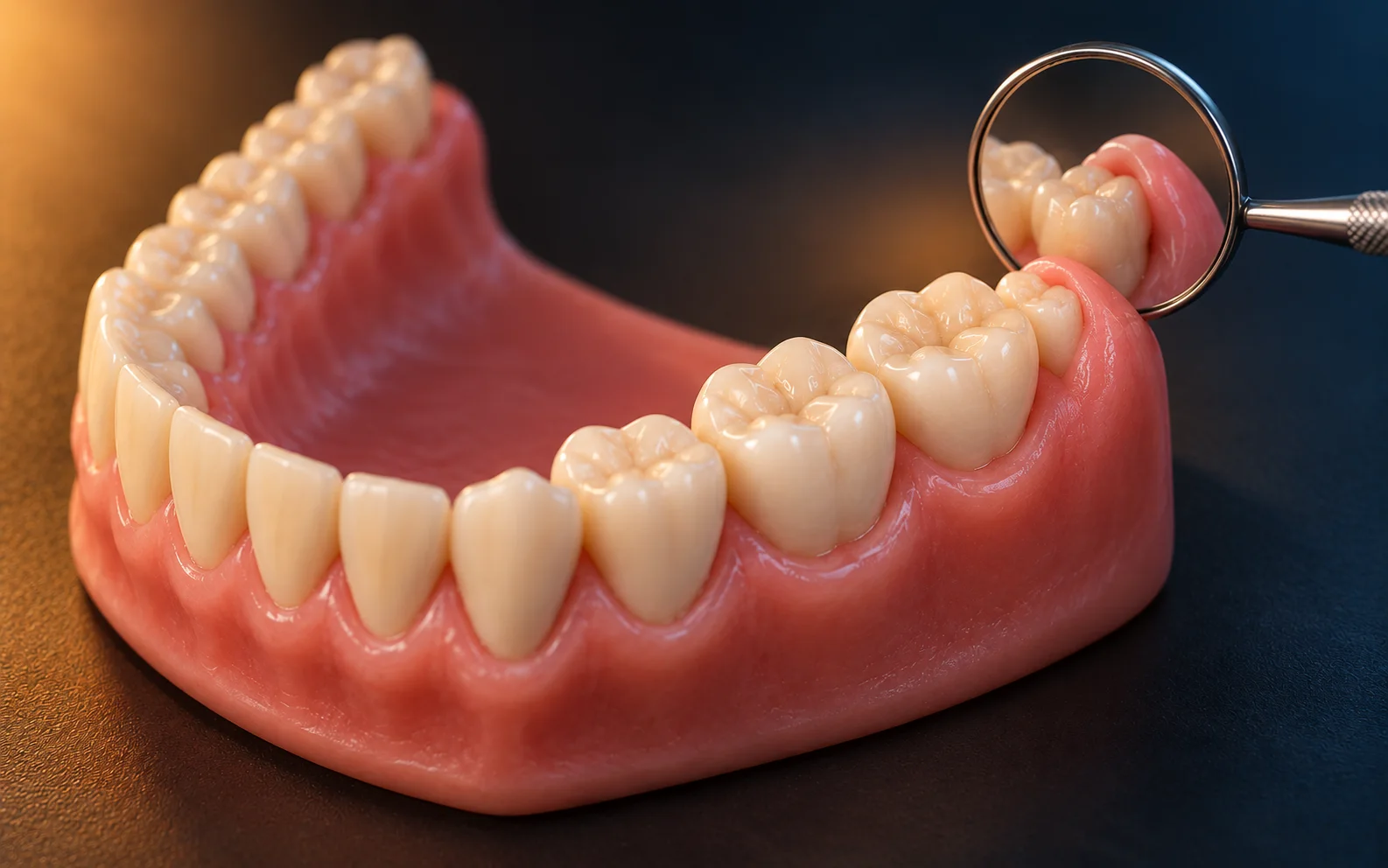

The mouth starts to change within days
The mouth is one of the quickest parts of the body to respond once smoking stops. The narrowing effect of smoke on the small blood vessels in the gums lifts, blood flow returns, and saliva slowly comes back to normal. Some of these changes are obvious straight away; others go on quietly over several weeks.
Taste and smell come back within days
Smoke dulls the taste buds on the tongue and the smell receptors high in the nose. In the first days after stopping, food can seem saltier, sweeter and sharper than you remember. Most people notice a clear difference within two to three weeks. Breath usually freshens over the same period, because the residue smoke leaves behind stops building up on the tongue.
Gum bleeding can increase in the first weeks
This is the change that surprises people most. In someone who smokes, the blood vessels in the gums are constricted, so gums bleed little and look healthy even when inflammation is present. Once the smoke stops, blood flow returns and the inflammation that was already there shows itself as bleeding. The bleeding is not a new problem; it is a hidden one becoming visible.
If the bleeding is just as heavy after several weeks, gum disease that will not settle with home care alone may lie underneath. Gums like that need to be examined, and a scale and polish often changes the picture.
Staining stops building up, but old stains stay
Smoking stains form when tar grips the microscopic cracks in enamel and the tartar sitting on it. From the day you stop, no new stain is laid down, but the discolouration already on the teeth will not brush away. Those marks come off with a scale and polish. The thick coating that builds on the tongue thins out over the same weeks.
Wounds heal more readily over the following months
Nicotine and the other substances in smoke hold back blood flow to the gums and slow the defence cells that repair tissue. That is why a socket can be slow to heal after a tooth is taken out in someone who smokes, why gum treatment responds less well, and why bone around an implant runs into trouble more often. After stopping, this picture starts to improve over months, and allowing enough time before planned surgery makes healing easier.
Stopping does not erase the damage already in the mouth; it stops more from gathering and clears the way for repair.
Dry mouth and mouth ulcers in the early weeks
Some people find their mouth turns dry and small painful ulcers appear in the first weeks after stopping. These are usually temporary and settle within a few weeks, though eating and drinking can be uncomfortable while they last. Dryness also raises the risk of decay, because saliva is the main protection the teeth have.
- Sip water often through the day rather than drinking a lot at once.
- Sugar-free chewing gum lifts saliva flow and eases the dryness.
- Acidic and heavily spiced food can sting while ulcers are present.
- Use a fluoride toothpaste; the risk of decay is higher while the mouth is dry.
Signs that should not be waited out
An ulcer that lasts longer than two weeks, a white or red patch that will not heal, a hoarse voice that stays, or a feeling of something catching when you swallow should be looked at without delay. Most turn out to be harmless, but they are not signs to wait on. Stopping lowers the risk over time; the years you already smoked are the reason regular check-ups still matter.
Frequently asked questions
I stopped smoking and my gums bleed more. Is something wrong?
Usually not; inflammation that the smoke was hiding has become visible. Some things are not part of that, though: bleeding that has not eased after a few weeks, gums that bleed without being brushed, pus at the gum margin, loose teeth or gums pulling back. If you notice any of these, the gums need examining.
How long do taste and smell take to come back?
You may notice something in the first days, and the difference is usually clear within two to three weeks. Food tasting saltier or sharper is part of that return. The pace varies from person to person.
Do smoking stains fade on their own after stopping?
No new staining forms, but what is already on the teeth will not brush away. Two things need telling apart: tar stuck to the surface comes off with a scale and polish, while darkening of the tooth's own colour does not change with cleaning and can only be lightened by a separate treatment such as whitening. After the cleaning it is easier to see which one is left.
Why has my mouth gone dry and why do I have ulcers?
The exact cause is not always clear; in some people the lining of the mouth goes through a few weeks of dryness and ulcers while it adjusts to life without smoke. Some stop-smoking medicines can also cause a dry mouth, so if the dryness started after you began one, tell the doctor who prescribed it. An ulcer that lasts longer than two weeks should be seen by a dentist.
Does stopping before an extraction or an implant make a difference?
Yes. Smoking holds back blood flow to the gums and slows healing, so a socket can take longer to close and bone around an implant runs into trouble more often. Where surgery is planned, a long enough break before and after it makes healing easier. How long that break should be depends on your own situation and is decided by your dentist.
Does breath improve after stopping?
Usually yes; breath freshens clearly within a few weeks. Cleaning the back of the tongue gently each day with a tongue scraper or a soft brush helps during that time, because it thins the coating that collects there. If the smell persists, gum inflammation, a heavy tongue coating or a dry mouth are the places to look.
This content is for general information only and does not replace an examination.
Edited by
Eren Koluaçık
Medically reviewed by: Elif Teke, Specialist Periodontist
This article draws on the clinical experience of the Papatya Dental team and is reviewed for accuracy before publication.
- Last updated:
- 2026-09-21
- Editorial contact:
- icerik@papatyadental.com