
Jama ustna zaczyna się zmieniać w ciągu kilku dni
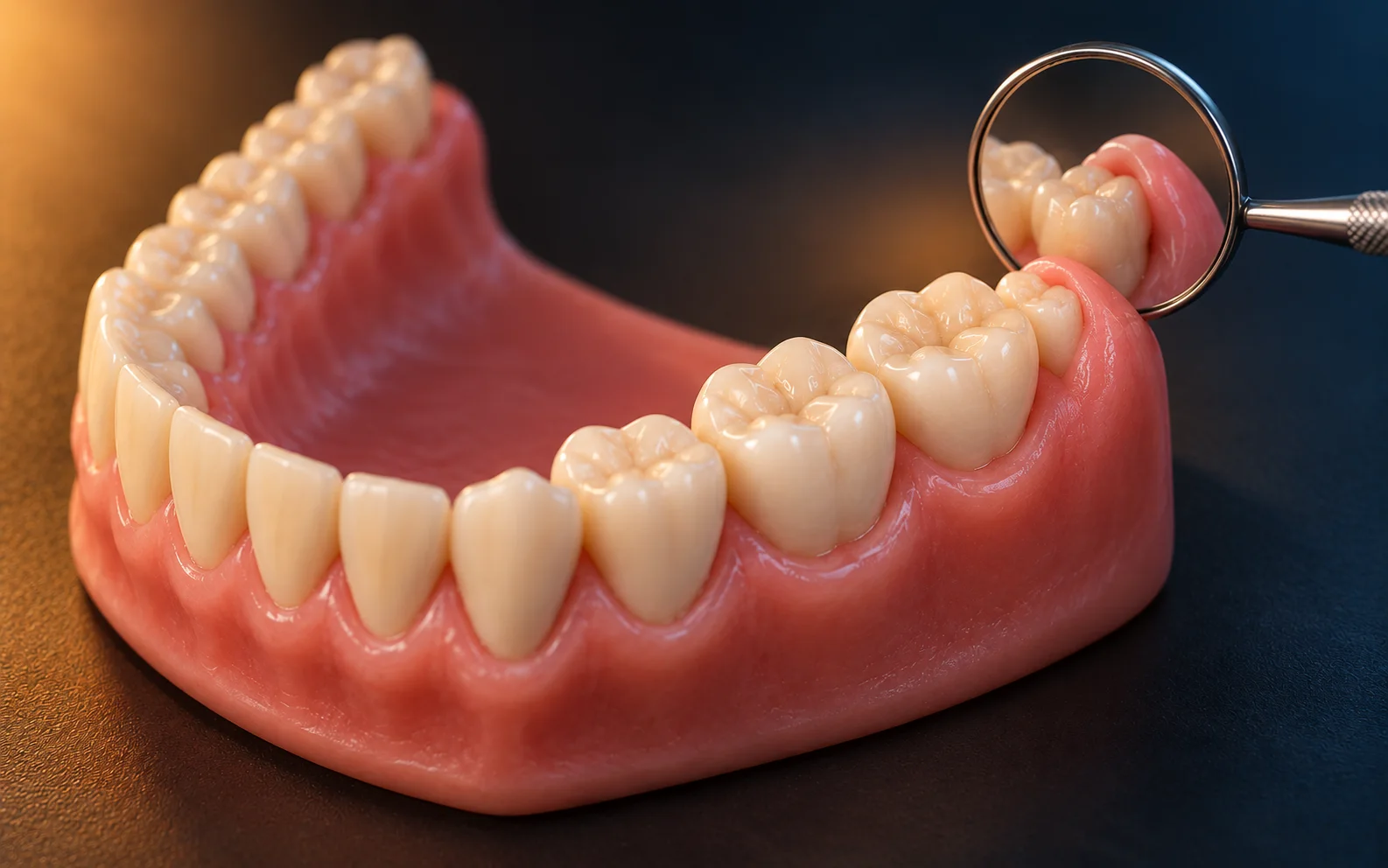
Jama ustna należy do tych części ciała, które najszybciej reagują na rzucenie palenia. Zwężające działanie dymu na drobne naczynia krwionośne w dziąsłach ustępuje, przepływ krwi wraca, a wydzielanie śliny powoli się normalizuje. Część tych zmian widać od razu; inne toczą się po cichu przez kilka tygodni.
Smak i węch wracają w ciągu kilku dni
Dym przytępia kubki smakowe na języku i pole węchowe wysoko w nosie. W pierwszych dniach po rzuceniu jedzenie może wydawać się bardziej słone, słodsze i ostrzejsze, niż pamiętasz. Większość osób zauważa wyraźną różnicę w ciągu dwóch, trzech tygodni. W tym samym czasie zwykle świeższy staje się oddech, bo osad zostawiany przez dym przestaje gromadzić się na języku.
Krwawienie dziąseł może nasilić się w pierwszych tygodniach
To zmiana, która zaskakuje najbardziej. U osoby palącej naczynia krwionośne w dziąsłach są zwężone, więc dziąsła krwawią niewiele i wyglądają zdrowo nawet wtedy, gdy toczy się w nich stan zapalny. Kiedy dym znika, przepływ krwi wraca, a istniejący już stan zapalny ujawnia się krwawieniem. To krwawienie nie jest nowym problemem; to ukryty problem, który staje się widoczny.
Jeśli po kilku tygodniach krwawienie jest równie obfite, pod spodem może kryć się choroba dziąseł, z którą sama domowa pielęgnacja sobie nie poradzi. Takie dziąsła trzeba zbadać, a skaling z polerowaniem często zmienia obraz.
Przebarwienia przestają się odkładać, ale stare zostają
Przebarwienia od palenia powstają, gdy smoła wczepia się w mikroskopijne pęknięcia szkliwa i w osadzający się na nim kamień. Od dnia rzucenia nowy osad już się nie odkłada, ale przebarwienia, które są na zębach, nie zejdą przy szczotkowaniu. Te ślady usuwa profesjonalne czyszczenie i polerowanie. Gruby nalot, który gromadzi się na języku, w tych samych tygodniach staje się cieńszy.
Rany goją się łatwiej w kolejnych miesiącach
Nikotyna i inne substancje z dymu ograniczają przepływ krwi w dziąsłach i spowalniają komórki obronne, które naprawiają tkanki. Dlatego u osoby palącej zębodół po usunięciu zęba goi się wolniej, leczenie dziąseł przynosi słabszy efekt, a kość wokół implantu częściej sprawia kłopoty. Po rzuceniu ten obraz zaczyna się poprawiać przez kolejne miesiące, a zostawienie odpowiedniego czasu przed planowanym zabiegiem ułatwia gojenie.
Rzucenie palenia nie wymazuje szkód, które już są w jamie ustnej; zatrzymuje ich narastanie i otwiera drogę naprawie.
Suchość w ustach i owrzodzenia w pierwszych tygodniach
Część osób w pierwszych tygodniach po rzuceniu ma sucho w ustach i drobne bolesne owrzodzenia. Zwykle są przejściowe i ustępują w ciągu kilku tygodni, choć dopóki trwają, jedzenie i picie bywa nieprzyjemne. Suchość podnosi też ryzyko próchnicy, bo ślina jest główną ochroną zębów.
- Popijaj wodę często w ciągu dnia, zamiast wypijać dużo naraz.
- Guma do żucia bez cukru pobudza wydzielanie śliny i łagodzi suchość.
- Kwaśne i mocno przyprawione jedzenie może szczypać, dopóki owrzodzenia się utrzymują.
- Używaj pasty z fluorem; przy suchości w ustach ryzyko próchnicy jest wyższe.
Objawy, z którymi nie należy czekać
Owrzodzenie, które utrzymuje się dłużej niż dwa tygodnie, biała albo czerwona plama, która nie chce się zagoić, utrzymująca się chrypka albo uczucie zahaczania przy przełykaniu wymagają obejrzenia bez zwłoki. Najczęściej okazują się niegroźne, ale nie są objawami, z którymi się czeka. Rzucenie palenia z czasem obniża ryzyko; lata, które są już za tobą, obserwuje się regularnymi kontrolami.
Najczęściej zadawane pytania
Po rzuceniu palenia dziąsła krwawią mi mocniej. Czy dzieje się coś złego?
Zwykle nie: widać teraz stan zapalny, który dym wcześniej ukrywał. Nie należą jednak do tego krwawienie, które nie słabnie po kilku tygodniach, dziąsła krwawiące bez szczotkowania, ropa przy brzegu dziąsła, ruchome zęby albo cofające się dziąsła. Jeśli zauważysz coś z tej listy, dziąsła trzeba zbadać.
Ile czasu zajmuje powrót smaku i węchu?
Coś możesz zauważyć już w pierwszych dniach, a wyraźna różnica pojawia się zwykle w ciągu dwóch, trzech tygodni. Jedzenie, które wydaje się bardziej słone albo ostrzejsze, jest częścią tego powrotu. Tempo bywa różne u różnych osób.
Czy przebarwienia po paleniu znikają same po rzuceniu?
Nowe przebarwienia przestają powstawać, ale to, co już jest na zębach, nie zejdzie przy szczotkowaniu. Warto odróżnić dwie rzeczy: smoła przylegająca do powierzchni schodzi przy profesjonalnym czyszczeniu i polerowaniu, a jeśli ściemniał własny kolor zęba, czyszczenie go nie zmieni i rozjaśnić go może tylko osobny zabieg, na przykład wybielanie. Po czyszczeniu łatwiej zobaczyć, co z tych dwóch rzeczy zostało.
Dlaczego w ustach zrobiło się sucho i skąd te owrzodzenia?
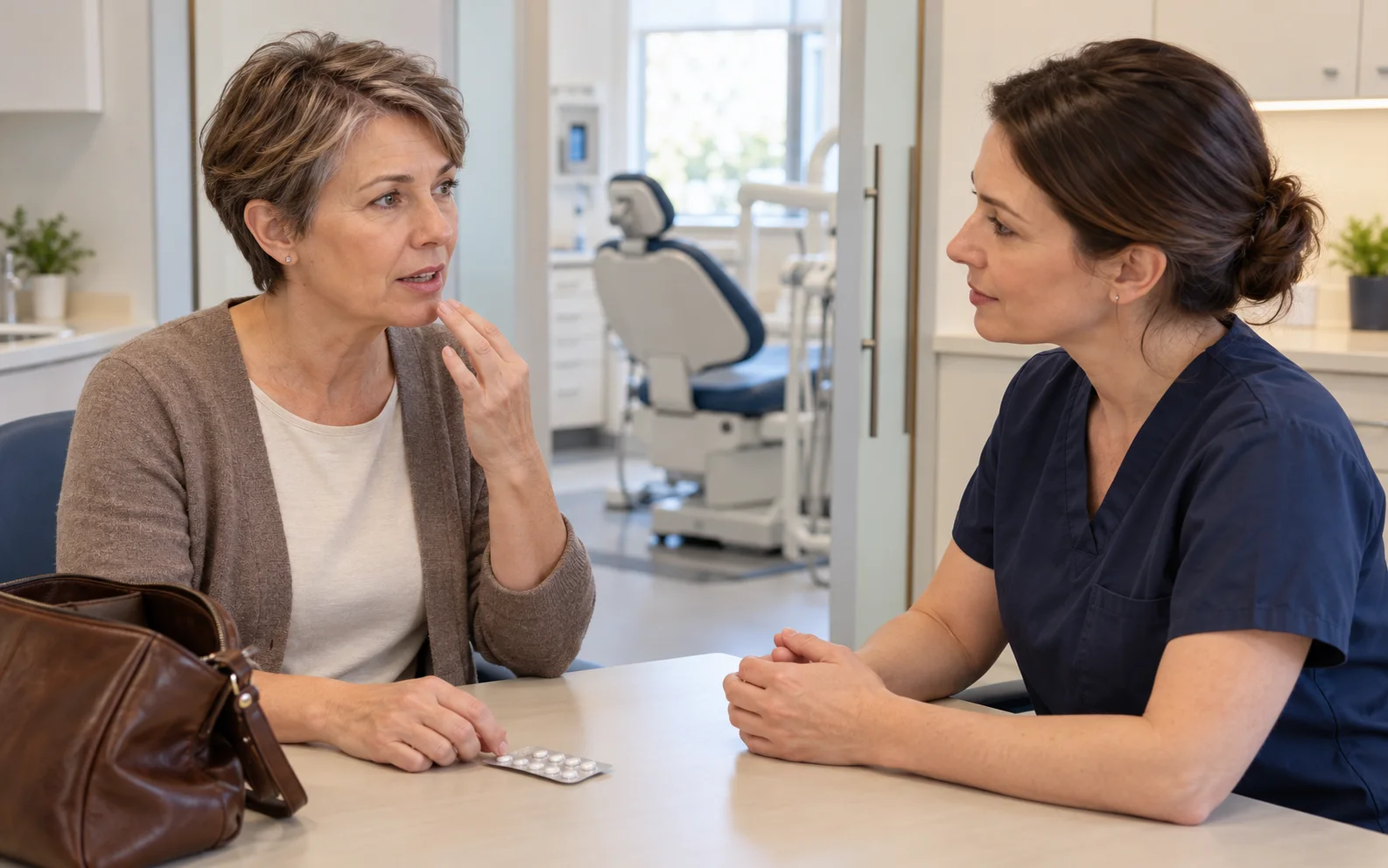
Przyczyna nie zawsze jest jasna: u części osób błona śluzowa jamy ustnej przez kilka tygodni przyzwyczaja się do braku dymu i w tym czasie pojawiają się suchość oraz owrzodzenia. Niektóre leki wspierające rzucanie palenia też mogą wysuszać usta; jeśli suchość zaczęła się po rozpoczęciu leku, powiedz o tym lekarzowi, który go przepisał. Owrzodzenie, które utrzymuje się dłużej niż dwa tygodnie, powinien obejrzeć lekarz dentysta.
Czy rzucenie palenia przed usunięciem zęba albo implantem ma znaczenie?
Tak. Palenie ogranicza przepływ krwi w dziąsłach i spowalnia gojenie, więc zębodół może zamykać się dłużej, a kość wokół implantu częściej sprawia kłopoty. Przy planowanym zabiegu porządna przerwa przed nim i po nim ułatwia gojenie. Jak długa powinna być ta przerwa, zależy od twojej sytuacji i ustala się to na wizycie.
Czy oddech poprawia się po rzuceniu palenia?
Zwykle tak: oddech wyraźnie się poprawia w ciągu kilku tygodni. W tym czasie pomaga codzienne delikatne czyszczenie tylnej części języka skrobaczką albo miękką szczoteczką, bo zmniejsza to nalot, który się tam gromadzi. Jeśli zapach się utrzymuje, szukać należy stanu zapalnego dziąseł, grubego nalotu na języku albo suchości w ustach.
Ta treść ma charakter ogólnoinformacyjny i nie zastępuje badania.
Opracowanie
Eren Koluaçık
Weryfikacja medyczna: Elif Teke, Specjalistka periodontologii
Ten artykuł powstaje w oparciu o doświadczenie kliniczne zespołu Papatya Dental i przed publikacją jest sprawdzany pod kątem rzetelności.
- Ostatnia aktualizacja:
- 2026-09-21
- Kontakt z redakcją:
- icerik@papatyadental.com