
Hvorfor fargeendringen bruker så lang tid på å vise seg
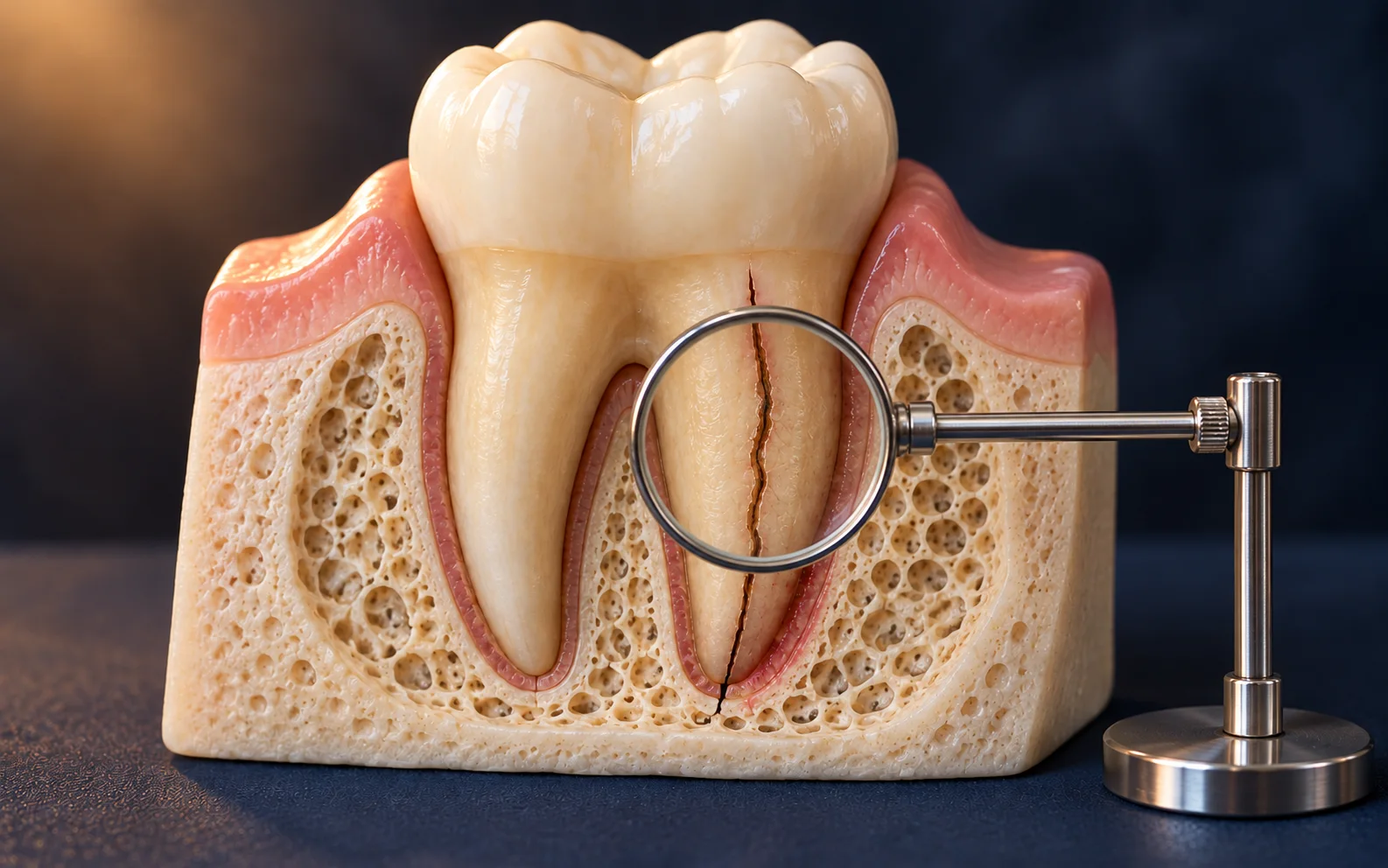
Et slag skader de små blodårene inne i tannen. Når de blør, siver fargestoff fra blodet inn i de bittesmå kanalene som går gjennom det harde vevet, og mørkner der over tid. Det må spre seg et godt stykke før noe er synlig utenfra, og derfor skiller forskjellen seg som regel ut uker eller til og med måneder senere framfor neste morgen.
Rosa, grå eller gul: hva hver nyanse tyder på
Farge alene er ingen diagnose, men den peker i en retning. To ting betyr noe for en tannlege: nyansen du la merke til først, og hvordan den har flyttet seg siden. Å se på tannen i dagslys, ved siden av naboene, gjør begge deler lettere å bedømme.
- Et rosaaktig skjær er som regel det en fersk blødning inne i tannen etterlater seg. Det dukker opp i de første ukene og blekner ofte av seg selv. Blekner ikke det rosa skjæret i løpet av noen uker, eller blir det kraftigere, må tannen vurderes særskilt med røntgenbilde.
- En grå eller mørkebrun nyanse peker mer mot at det levende vevet inne i tannen er tapt. Denne fargen kan bli dypere i månedene som følger.
- En gulere, mattere tann betyr stort sett at det har bygd seg opp ekstra hardt vev inne i den. En slik tann lever som regel fortsatt, selv om kanalen blir trangere.
Ingen smerte betyr ikke ingen problemer
De fleste tenner som mørkner etter et slag, gjør ikke vondt i det hele tatt. Når vevet inne i tannen dør, forsvinner følelsen med det, og en stille periode begynner. Infeksjon kan slå seg til rundt rotspissen i den perioden og vise seg først på et røntgenbilde. At det ikke gjør vondt, erstatter ikke oppfølging: en tann som har skiftet farge, sjekkes med faste mellomrom.
Melketenner følger et annet løp
Grå fortenner i melketannsettet er et vanlig syn etter at et lite barn har falt. Noen av disse tennene vinner tilbake noe av fargen, andre blir stående mørke og skaper likevel ingen problemer før de faller ut av seg selv. En mørknet melketann trenger ikke automatisk rotfylling. Det som betyr noe, er ikke nyansen, men om det er en kul på tannkjøttet, hevelse eller smerte, og om tannen har blitt løs. Den permanente tannen som dannes under, følges på røntgenbilder.
Noen fargeendringer går tilbake av seg selv
Ikke alle mørke tenner blir værende mørke. Rosaaktige og lett gråaktige nyanser fra de første månedene kan lette igjen dersom vevet inne i tannen henter seg inn. Der det skjer, er det som regel tydelig innen 2–6 måneder, og det varierer fra person til person. At fargen lysner, er et godt tegn, men det er i seg selv ikke bevis på at tannen er frisk, så kontrollene fortsetter.
En tann som har fått et slag, kan fortsatt skifte farge flere år senere, og derfor måles oppfølgingen i år framfor i uker.
Dette skjer på en kontroll
Tannen sammenlignes med naboene og fotograferes ofte til journalen. Kuldetest og elektrisk test viser om den fortsatt svarer; fordi de kan lure i ukene rett etter en skade, gjentas de senere. Et røntgenbilde viser om noe har endret seg rundt rotspissen. Kontrollene ligger tettere det første året og spres ut etter det.
Dette kan gjøres med en mørk tann
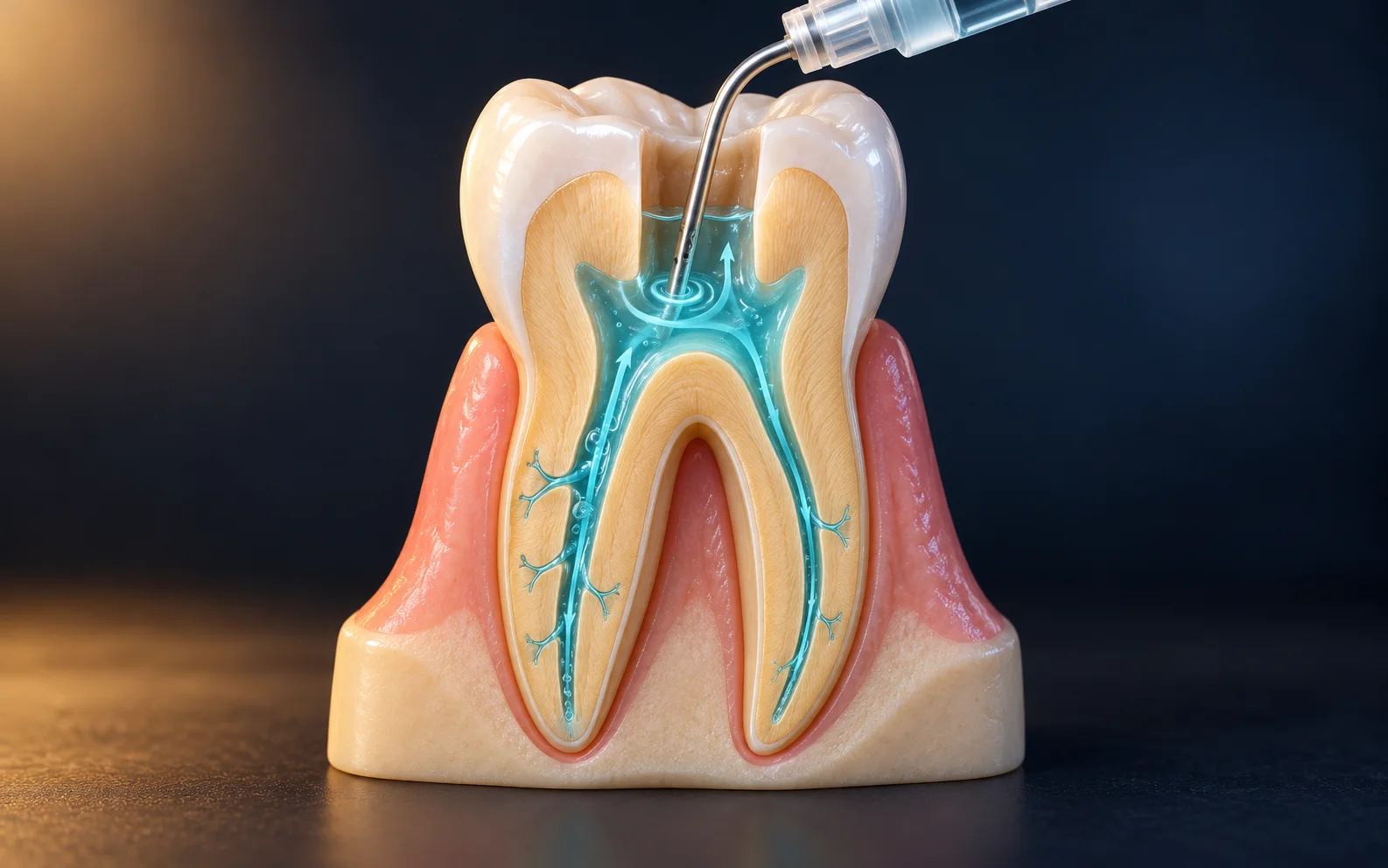
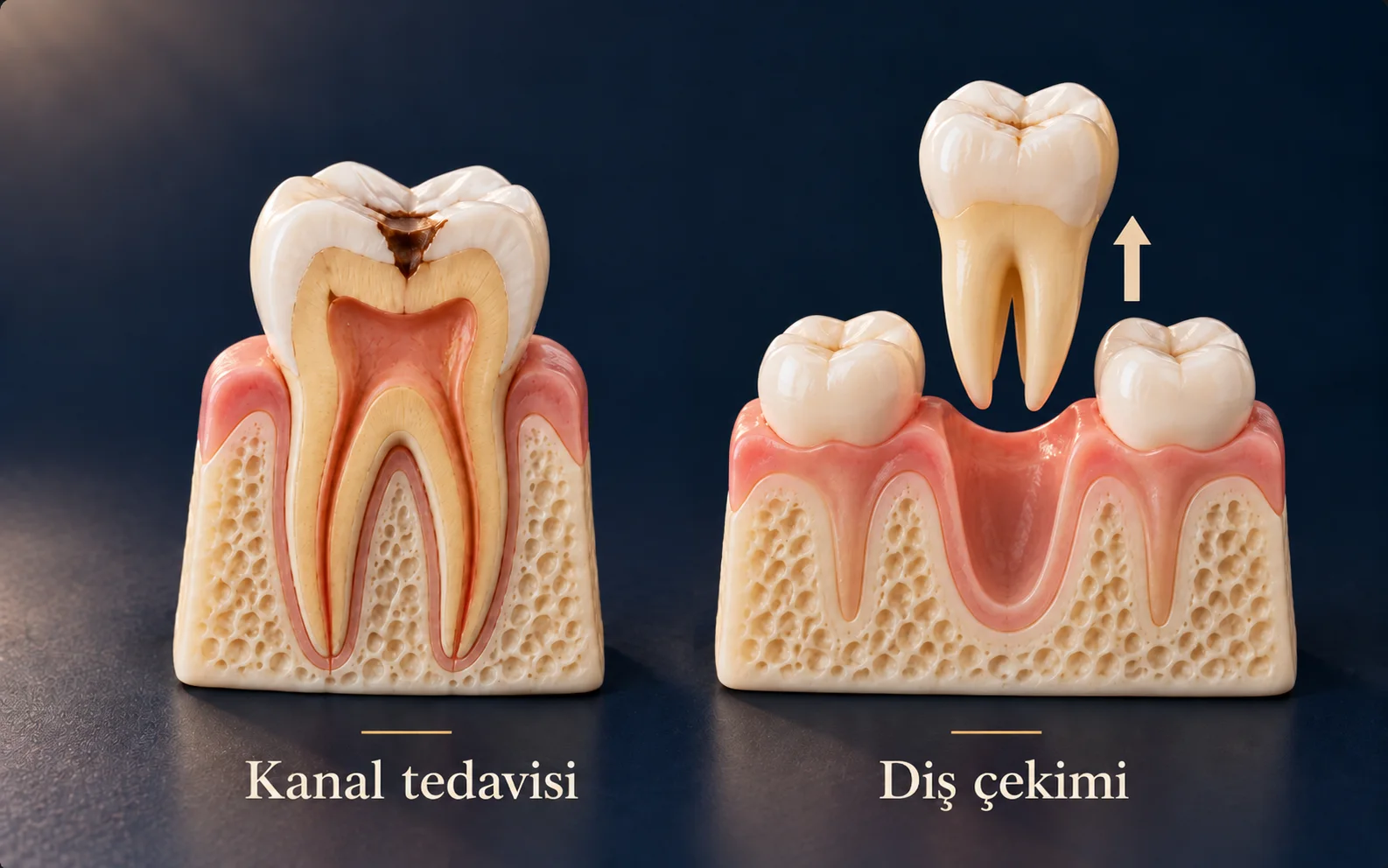
Lever tannen fortsatt, holder det ofte å følge med på den. Er vevet inne i tannen tapt, kommer rotfylling først, og etterpå kan et blekemiddel forsegles inne i tannen for å lysne nyansen. Dette virker ikke like godt i alle tenner, og noe av fargen kan snike seg tilbake over årene. Der lysningen kommer til kort, kan kompositt bindes til framflaten eller en skallfasett vurderes. Hvilken vei som passer, kommer an på tilstanden til roten og hvor mye friskt vev som er igjen.
Ofte stilte spørsmål
Hvor lenge etter en skade kan en tann skifte farge?
Den kan starte i løpet av den første uken, men oftere blir den lagt merke til noen måneder senere, og i enkelte tenner dukker endringen opp flere år etterpå. Derfor følges en tann som har fått et slag, en stund selv når den ser helt normal ut.
Går en mørknet tann tilbake til den gamle fargen?
Noen gjør det. Det tar som regel noen måneder før man kan se det, og vurderingen gjøres ved å sammenligne, ikke med ett blikk: på bilder tatt i samme lys og fra samme vinkel ses tannen side om side med nabotannen. Dypt grå nyanser blir som regel stående.
Trenger enhver mørk tann rotfylling?
Nei. Avgjørelsen hviler på om tannen fortsatt svarer på testene og om røntgenbildet viser endring rundt rotspissen, ikke på nyansen. En tann som fortsatt lever, blir ofte bare fulgt med på.
Melketannen til barnet mitt har blitt grå. Må den trekkes?
Gråhet alene er ingen grunn til å trekke tannen. Er det ingen kul på tannkjøttet, ingen hevelse og ingen smerte, og tannen ikke er løs, blir de fleste slike tenner stående til de faller ut av seg selv. Den permanente tannen under følges på røntgenbilder.
Kan bleking lysne en tann som mørknet etter et slag?
Bleking utenfra kommer som regel til kort her, fordi fargen kommer innenfra tannen. Når det levende vevet først er tapt, er et blekemiddel forseglet inne i tannen etter rotfylling mer til å stole på, selv om resultatet varierer fra tann til tann.
Tannen gjør ikke vondt. Trengs det likevel et tannlegebesøk?
Ja. Når vevet inne i tannen dør, forsvinner smerten med det, og den stille perioden kan vare lenge. Endringer rundt rotspissen ses først på et røntgenbilde. En smertefri tann sjekkes også etter en skade.
Dette innholdet er til generell informasjon og erstatter ikke en undersøkelse.
Utarbeidet av
Samed Kağan Bozkurt
Faglig gjennomgått av: Şerife Nur Kerpiçci, Tannlege, estetisk tannbehandling
Denne artikkelen bygger på den kliniske erfaringen til teamet hos Papatya Dental og blir gjennomgått for riktighet før publisering.
- Sist oppdatert:
- 2026-09-21
- Redaksjonell kontakt:
- icerik@papatyadental.com