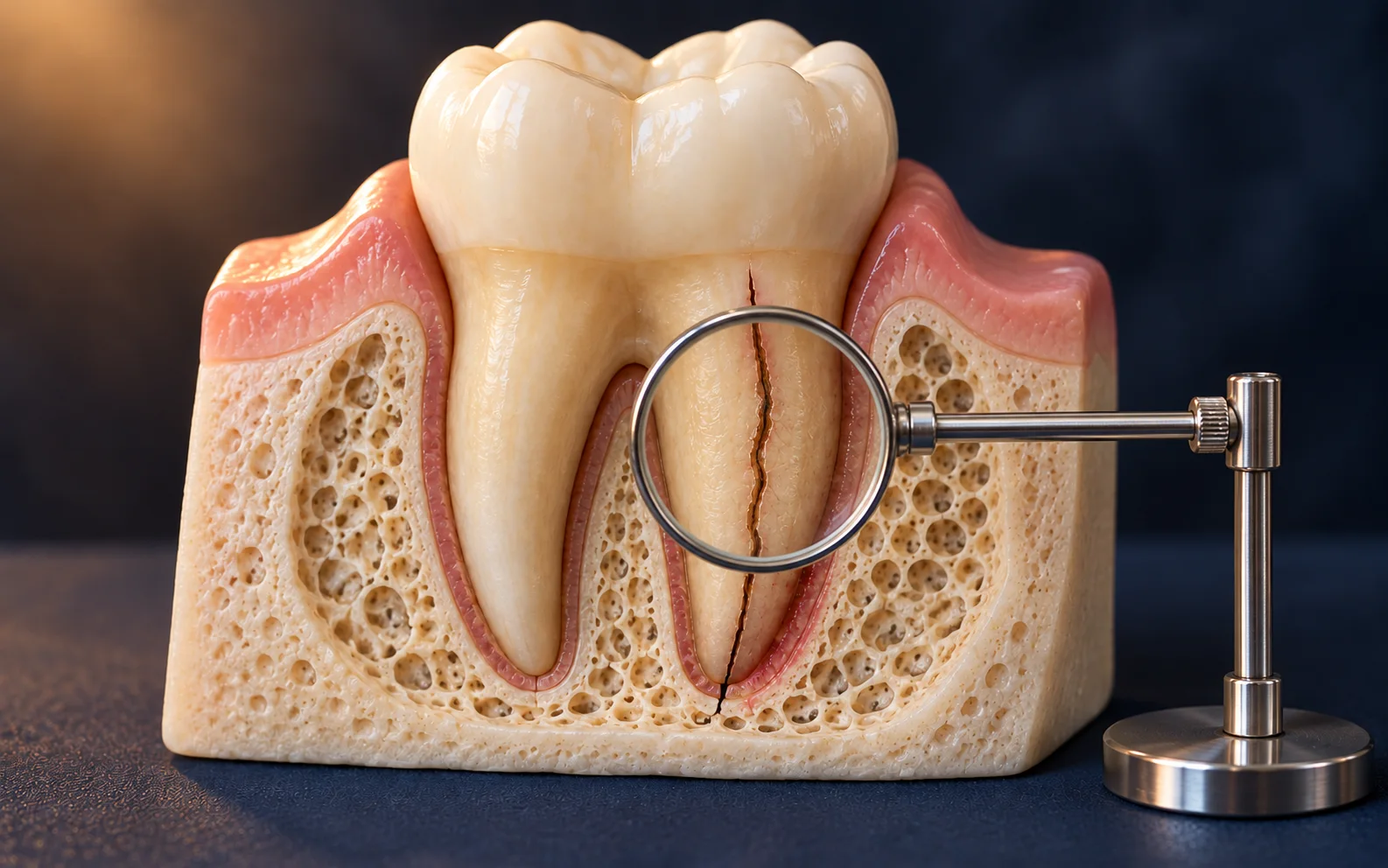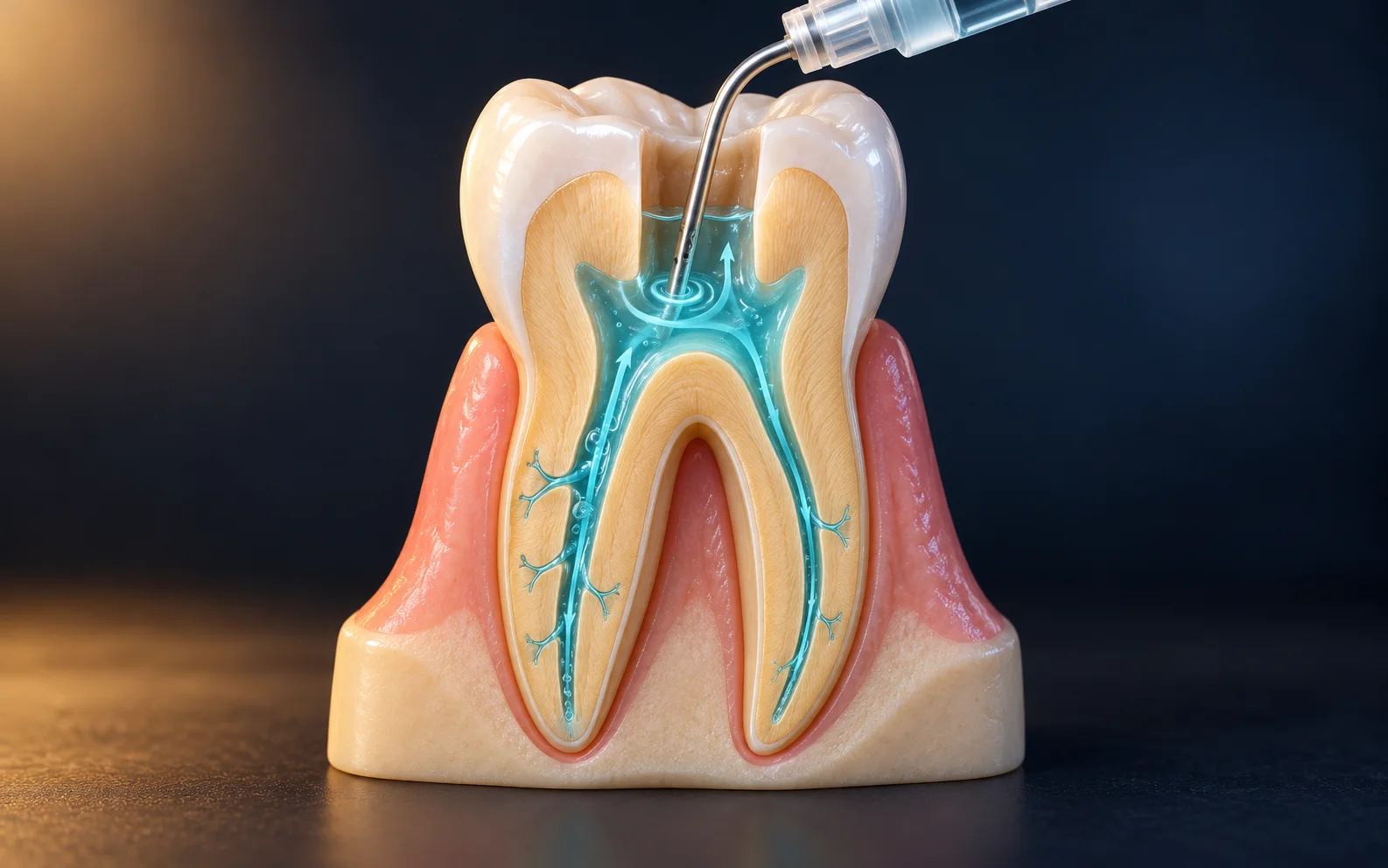

En smertestillende tablett kjøper tid, den behandler ikke tannen
Tannverk kommer som regel av karies som når dypere inn i tannen, en betent nerve, eller infeksjon som samler seg ved rotspissen. En smertestillende tablett endrer ingenting av dette. Den demper smertesignalet i noen timer, så ventetiden til du blir sett, er lettere å komme gjennom.
Når smerten kommer tilbake for fullt etter hvert som tabletten slipper taket, sitter årsaken fortsatt der den satt. Å øke mengden på egen hånd, eller jobbe seg gjennom den ene pakken etter den andre, legger til risiko uten å løse noe. Smerte som varer mer enn noen dager, eller som vekker deg hver natt, hører til tannen framfor medisinskapet.
Det som skiller de to hovedgruppene
Smertestillende som selges uten resept, deler seg grovt i to grupper. Den ene letter smerte og demper samtidig betennelse og hevelse; den andre virker hovedsakelig på smerte og feber og er som regel mildere for magen. Betennelse er med i bildet ved det meste av tannverk, og det er derfor den første gruppen passer bedre for mange. Det er likevel en generell uttalelse: hvilken som passer for deg, er et spørsmål til apoteket eller tannlegen din.
Kombinasjonspreparater mot forkjølelse og influensa inneholder ofte de samme virkestoffene. Å få i seg det samme stoffet fra to ulike pakker uten å merke det, øker stille risikoen for bivirkninger. Å lese innholdslinjen på esken, eller å spørre på apoteket, hindrer den overlappingen.
Situasjoner som trenger råd først
I noen tilfeller kommer valget av smertestillende an på personen, og feil valg lager mer trøbbel enn tannverken gjorde. Gjelder noe av det under for deg, er det tryggere å spørre på apoteket eller hos tannlegen før esken åpnes.
- Halsbrann, refluks eller magesår tidligere
- Nyre- eller leversykdom
- Blodfortynnende medisiner
- Svangerskap og amming
- Astma, eller medisiner mot blodtrykk og hjertet
- Barn, der et valg som passer en voksen, ikke nødvendigvis passer dem
Smerte som ikke svarer på tabletter, er ikke uten videre dårlige nyheter: rotfylling eller å tømme en byll får den til å gi seg langt raskere enn noen medisin gjør.
Legg aldri medisin på tannen eller tannkjøttet
Å knuse en tablett og holde den mot en vond tann er et vanlig husråd, og et skadelig et. Der tabletten treffer tannkjøttet, gir den et etsesår: området blir hvitt, så flasser det av, og under ligger et smertefullt sår. Det såret kommer i tillegg til tannverken, ikke i stedet for den. Smertestillende virker når de har nådd blodet, ikke ved berøring.
Varme kan gjøre hevelsen verre
En varmeflaske eller et oppvarmet klede mot kinnet føles lindrende til å begynne med, men det øker blodgjennomstrømningen i området, og hevelsen kan vokse sammen med den. Der infeksjon er inne i bildet, klatrer smerten ofte i løpet av noen timer. Noe kaldt holdt mot utsiden av kinnet er tryggere, pakket inn i et tynt klede og brukt i korte omganger.
Annet hjelper også mens du venter: å sove med hodet litt hevet, tygge på den andre siden og holde seg unna svært varm og svært kald drikke. Å skylle med lunkent saltvann roer munnen, selv om det lar årsaken til smerten være i fred.
Tegn som ikke kan vente
Det meste av tannverk kan vente noen dager på en time. Noen tegn kan ikke, fordi de viser at betennelsen sprer seg utenfor tannen. Dukker noe av dette opp, oppsøk tannlege- eller legehjelp samme dag, uten opphold; en smertestillende tablett kan dekke over dette bildet i noen timer og skjule hvor langt det har kommet.
- Hevelse i ansiktet, under øyet eller under kjeven
- Vansker med å åpne munnen eller å svelge
- Vansker med å puste, endret stemme eller hevelse under tungen: dette venter ikke på en tannlegetime, ring 113 med én gang
- Feber, frysninger eller en følelse av å være syk i hele kroppen sammen med hevelse
- Smerte som sprer seg raskt og ikke letter i det hele tatt med medisin
Ofte stilte spørsmål
Hvor raskt virker smertestillende?
De fleste smertestillende som tas gjennom munnen, begynner å virke etter en halvtime til en time. Kommer ikke lindringen i løpet av den tiden, ikke ta neste dose tidligere og ikke legg til et annet middel; hold deg til intervallene på pakningen. Letter ikke smerten i det hele tatt ved riktig bruk, er det en grunn til å få undersøkelsen fremskyndet.
Tabletten virker ikke. Kan jeg ta mer?
Å øke mengden på egen hånd er ikke svaret: risikoen for bivirkninger klatrer raskt mens årsaken til smerten blir stående nøyaktig der den var. Tannverk som ikke gir seg med vanlig bruk, peker mot at problemet i tannen går framover, ikke mot en svak tablett, og en undersøkelse bør ikke utsettes.
Kan jeg ta to ulike smertestillende samtidig?
Ikke ta to midler fra samme gruppe sammen, det øker risikoen for bivirkninger. Midler fra ulike grupper kombineres eller veksles av og til, men det bør apoteket eller tannlegen avgjøre. Husk at forkjølelsesmidler kan inneholde de samme virkestoffene.
Gjør smertestillende tatt før timen undersøkelsen vanskeligere?
Som regel ikke, og du trenger ikke å holde ut smerten til morgenen. Si likevel fra til tannlegen hva du tok, når og hvor mange ganger: for å finne den vonde tannen testes den ofte med kulde eller lett banking, og tannlegen kan ta hensyn til virkningen av midlet.
Kan man ta smertestillende for tannverk i svangerskapet?
I svangerskap og ved amming kommer valget an på personen og på hvor langt man er kommet, så spørsmålet hører hjemme på apoteket eller hos tannlegen før noen eske åpnes. Å la tannverken stå ubehandlet er heller ikke det trygge valget: tannbehandling i svangerskapet lar seg som regel gjennomføre uten vansker.
Dette innholdet er til generell informasjon og erstatter ikke en undersøkelse.
Utarbeidet av
Nilufar Tulanova Şener
Faglig gjennomgått av: Eren Koluaçık, Tannlege, estetisk tannbehandling
Denne artikkelen bygger på den kliniske erfaringen til teamet hos Papatya Dental og blir gjennomgått for riktighet før publisering.
- Sist oppdatert:
- 2026-09-21
- Redaksjonell kontakt:
- icerik@papatyadental.com