


About Precision-Attachment Dentures
Precision-attachment dentures are removable prostheses used to replace missing teeth and can be supported by existing teeth or implants. Their primary purpose is to improve the stability of the prosthesis in the mouth while supporting chewing, speech and smile aesthetics.
In these prostheses, retention can be achieved by supporting the denture with special connecting components instead of visible clasps. The type of connection is assessed according to factors such as the number and position of the missing teeth, the condition of the supporting teeth, jaw structure and oral hygiene.
Precision-attachment dentures may be considered when a fixed restoration is not suitable in every situation or when a removable prosthesis requires additional support. However, the health of the teeth and gum tissues that will provide support should be examined in detail before planning.
The treatment plan is developed by considering the intraoral examination, any necessary imaging and the patient’s expectations together. Proper use and cleaning of the denture, along with regular check-ups, are important for protecting the oral tissues and maintaining the function of the prosthesis.
Removable denture option
Precision-attachment dentures are among the denture options that can be removed from and reinserted into the mouth.
Sources of support
Depending on the treatment plan, the denture may be supported by natural teeth, implants or both.
Retention approach
Special connecting components may be used to help reduce movement of the denture in the mouth.
Factors considered
The distribution of missing teeth, the condition of the supporting teeth and the jaw relationship are considered when selecting treatment.
Maintenance requirements
Regular cleaning of the denture and attachment areas is important for maintaining oral hygiene.
Who May Be Suitable for Precision-Attachment Dentures?
The suitability of precision-attachment dentures is determined by assessing together the distribution of missing teeth, the condition of the teeth or implants that will support the denture, gum health, jaw relationships, and daily care habits.
People with multiple missing teeth
This option may be considered for people who have multiple missing teeth in the same jaw and for whom support from the remaining teeth or implants may be planned.
When fixed restoration is limited
Precision-attachment dentures may be considered when a fixed restoration does not appear suitable because of the position of the missing teeth, long edentulous spaces, or the available support conditions.
Need for a removable denture with enhanced retention
For people who have difficulty with stability and retention when using a removable denture, specially connected designs may be considered when intraoral conditions are favorable.
People with aesthetic concerns
When there is a preference to limit visible metal clasps, this approach may be planned by considering the suitability of the supporting structures and whether adequate cleaning can be maintained.
Abutment teeth and periodontal tissues
The root, bone, and gum support of the teeth planned to carry the denture load is examined through clinical evaluation and imaging for decay, mobility, and existing restorations.
Jaw relationships and space for the denture
The bite pattern, distribution of chewing forces, width of the edentulous areas, and available space for denture components are assessed to determine whether the design can be implemented.
Uncontrolled oral diseases
If active gum disease, untreated decay, or intraoral infections are present, these problems may need to be brought under control before denture planning.
When maintenance cannot be sustained
The risk of complications may increase when regular cleaning of the denture and attachment areas is difficult. Therefore, maintenance capacity is assessed, or different options may be considered.
Possible Risks of Precision-Attachment Dentures
Possible effects of precision-attachment dentures may vary depending on the condition of the supporting teeth or implants, the health of the gums and bone, the denture design, usage habits, and level of maintenance. Examinations and follow-up appointments help identify risks at an early stage.
Initial sore spots and tissue irritation
A new denture may cause tenderness, redness, or sore spots in the oral tissues due to pressure points. This may occur particularly during the adjustment period; making the necessary adjustments to improve the denture’s fit is important.
Cavities and gum problems in the supporting teeth
Insufficient cleaning of the connecting components and the areas beneath the denture may increase the risk of plaque buildup, cavities, or gum inflammation in the supporting teeth. The denture, attachments, and natural teeth should therefore be cleaned as recommended.
Loading of supporting teeth or implants
Chewing forces are transferred to the supporting teeth or implants. Loss of denture fit, the initial health of the supports, or uneven distribution of load may be associated with sensitivity in these structures or the development of problems in the surrounding tissues.
Wear or loosening of the connecting components
Precision-attachment components may wear over time during use, lose their retention, or require adjustment. This may result in a sensation of movement in the denture; regular check-ups allow the connecting components to be evaluated.
Fracture or changes in denture fit
The denture may fracture or crack, or its fit may deteriorate as a result of changes that develop in the oral tissues over time. Uncontrolled biting of hard foods, dropping the denture, and using it for a long time without a check-up may affect this possibility.
How do dentures with precision attachments proceed?
The process begins with an evaluation of the oral tissues and supporting areas, followed by planning, preparing, trying in, and adapting the denture for use. The scope of the treatment may vary depending on the intraoral conditions.
- 1
Intraoral evaluation and planning
The dentist examines the areas of missing teeth, the supporting teeth or implants, the gum tissues, and the relationship between the jaws. Based on the necessary imaging and measurements, the denture’s support and attachment structure is planned.
- 2
Preparing the supporting areas
If the treatment plan involves support from natural teeth, these teeth may be prepared for restorations compatible with the denture. If implant support is being considered, the suitability of the implants and surrounding tissues for the denture attachment is evaluated.
- 3
Taking impressions and preparing the denture
Impressions are taken from the mouth, and the relationship between the jaws when they close is recorded for laboratory work. Based on these records, the denture base, artificial teeth, and precision attachment components are prepared.
- 4
Try-in and fit checks
The fit of the prepared denture in the mouth, occlusal balance, appearance, and function of the attachments are checked. Any necessary adjustments are made, and the denture’s fit with the supporting tissues and opposing teeth is reviewed.
- 5
Delivery and usage instructions
Once the denture is considered suitable, instructions are provided on insertion and removal, daily cleaning, and care of the attachment areas. During the initial period of use, speech and chewing habits may take time to adapt to the denture.
- 6
Follow-up and maintenance
During follow-up visits, the denture’s fit, supporting teeth or implants, gum tissues, and attachment components are evaluated. Changes in fit, wear, or cleaning needs that may develop over time are monitored.
Alternative Options to Precision-Attachment Dentures
Options other than precision-attachment dentures may be available for replacing missing teeth. The appropriate approach is determined through clinical evaluation of the location and number of missing teeth, bone and gum support, the condition of the remaining teeth, oral hygiene, and expectations.
Removable Partial Denture with Clasps
Removable partial dentures with clasps are supported by metal or esthetic retentive elements that attach to the remaining teeth. In cases involving multiple missing teeth and when a fixed restoration is not planned, they may be considered after evaluating the abutment teeth and oral tissues.
Fixed Dental Bridge
A fixed bridge replaces the gap with a fixed restoration supported by suitable teeth adjacent to the missing tooth or teeth. In cases of limited tooth loss, it may be considered after evaluating the periodontal condition and suitability of the abutment teeth for restoration.
Implant-Supported Fixed Restoration
Implants may allow fixed crowns or bridges to be placed on artificial roots inserted into the jawbone. This approach may be considered when evaluations of the bone volume in the area of tooth loss, overall oral health, and surgical planning indicate that it is appropriate.
Implant-Supported Removable Denture
Implant-supported removable dentures retain their removable design while receiving additional retention support from implants. They may be considered, particularly in more extensive areas of tooth loss where denture movement is problematic, after evaluation of the bone and oral tissues.
Digital and Clinical Planning for Precision-Attachment Dentures
The planning of precision-attachment dentures may involve an intraoral examination, radiographic imaging, impression records, and methods for assessing jaw relationships. These records help evaluate the abutment teeth, implants, gingival tissues, and the space available for the denture together.
Conventional impressions or, where appropriate, digital intraoral scans may form the basis for designing the denture and its attachment components. The recording method used varies according to the intraoral conditions, existing restorations, the scope of the denture, and the clinician’s assessment.
During the planning process, the path of insertion and removal, the denture’s contact with the teeth in the opposing arch, and the accessibility of the attachment components for cleaning are evaluated. Technological records support decision-making; the final design is determined by the clinical examination and the patient’s expectations regarding use.
Radiographic assessment
When considered necessary, radiographs help assess the root and bone support of the abutment teeth, existing implants, and jaw structures for denture planning.
Impression or intraoral scanning
Conventional impression materials or, in suitable cases, digital scanning support the transfer of the teeth, gingival contours, and areas where the denture will rest to a working model.
Jaw relationship records
Methods for recording the occlusion help plan the contacts between the denture teeth and the opposing arch, as well as the relationships that may occur during chewing.
Parallelism and path-of-insertion analysis
Analysis performed on working models allows evaluation of the denture’s path of insertion and removal and the relationship of the precision attachments to the abutment teeth or implants.
Laboratory design and try-in
Designs and clinical try-ins prepared from models or digital records help review the position of the attachment components, the fit of the denture, and its esthetic appearance together.
Adapting to and Recovering with Precision-Attachment Dentures
Getting used to precision-attachment dentures and the adaptation of the oral tissues may vary depending on the scope of the prosthesis, the condition of the supporting teeth or implants, and personal habits. Your dentist’s instructions on use, cleaning, and check-ups take priority; ongoing discomfort may require clinical evaluation.
- 1
Initial use and adaptation period
When the denture is first inserted, you may experience a feeling of fullness in the mouth, temporary changes in speech, and a different sensation while chewing. Inserting and removing the denture as shown by your dentist and following the usage instructions can help the mouth adapt to it.
- 2
Adaptation of the gums and oral tissues
Mild pressure or sensitivity may be felt in the gums and oral tissues that come into contact with the denture. This varies from person to person. If a persistent rubbing sensation, pain, or sore develops in a specific area, consult the clinic without attempting to modify the denture.
- 3
Developing chewing and speaking habits
Chewing and speaking with the denture may become more comfortable as you get used to its position in the mouth. Distributing chewing evenly on both sides and taking care with very hard or sticky foods may help balance the load on the denture and supporting areas.
- 4
Monitoring long-term use
The attachments, the fit of the denture, and the tissues around the supporting teeth or implants may require monitoring over time. Regular oral care and follow-up visits recommended by your dentist help assess the function of the denture and the oral tissues.
Clean the denture and supporting areas
Remove and clean your denture using the method recommended by your dentist. Carefully cleaning the attachment areas, supporting teeth, or the areas around implants can help reduce plaque buildup.
Do not modify the denture yourself
If the denture feels loose, is difficult to insert or remove, or feels ill-fitting, do not bend, grind, or attempt to repair it. Contact your clinic for an assessment of its fit.
Persistent pain or an oral sore
If you notice persistent or increasing pain, marked redness, swelling, or a sore in areas that come into contact with the denture, contact the clinic so the denture and oral tissues can be evaluated.
Changes in retention or connection
Contact your clinic if the denture suddenly becomes loose, shifts out of place, becomes significantly more difficult to insert or remove, or if an attachment component breaks or is damaged.
Factors Affecting the Cost of Removable Partial Dentures with Precision Attachments
The cost of removable partial dentures with precision attachments may vary depending on the distribution of missing teeth, the condition of the supporting tissues, and the attachment system selected. The exact fee is determined after the examination, any necessary investigations, and completion of an individualized treatment plan.
Number and distribution of missing teeth
The extent of the area covered by the denture, the number of teeth to be replaced, and whether the missing teeth are located in one or both arches may affect the denture design and the scope of the laboratory work.
Condition of the abutment teeth and gingival tissues
Assessing the natural teeth that will support the denture, as well as the gums and surrounding tissues, is a determining factor in treatment planning. If treatment is required in these areas, it may alter the scope of the procedures to be performed.
Need for implant support
In some cases where natural tooth support is insufficient, an implant-supported treatment plan may be considered. The need for implants, their number, and their feasibility are among the factors that directly affect the overall scope of treatment.
Type and number of precision attachments
The type, number, and position within the denture of the special attachment components used for retention are determined according to the jaw relationship, support points, and intended use. This technical choice may result in differences in cost.
Denture framework and laboratory design
The design of the denture framework, its compatibility with the attachment components, and the arrangement of the teeth in aesthetic areas require individualized laboratory fabrication. The complexity of the selected design may affect the scope of the cost.
Need for examination, imaging, and follow-up
An intraoral examination, necessary imaging, impression procedures, and any checks that may be performed to assess the denture’s fit may form part of the treatment plan. The extent of the required follow-up varies according to the individual situation.
Temporary price estimate
€1,200 – €8,000
This approximate range is not the clinic’s definitive price quote; the actual fee is finalized after the examination and an individualized treatment plan.
Before / After

Frequently Asked Questions About Precision-Attachment Dentures
What is the main purpose of precision-attachment dentures?
Precision-attachment dentures are intended to help restore the function and appearance of missing teeth while supporting the denture’s stability in the mouth. They are designed to contribute to chewing, speaking, and smile aesthetics.
Are precision-attachment dentures suitable for everyone?
Precision-attachment dentures are not suitable for everyone in the same way. The position of the missing teeth, the health of the supporting teeth and gums, jaw structure, oral hygiene, and expectations are evaluated during an examination before a decision is made.
Does the denture receive support from natural teeth, implants, or both?
Depending on the treatment plan, the denture may be supported by natural teeth, implants, or both. Which support method can be considered is determined by the condition of the existing structures in the mouth and the results of a detailed clinical examination.
How does a precision-attachment denture stay in the mouth?
Precision-attachment dentures can be supported by special connecting components instead of visible clasps. These connections may help reduce denture movement; the type of connection is planned according to the intraoral conditions.
Can a precision-attachment denture be removed and inserted?
Yes. Precision-attachment dentures are removable dentures and can be taken out of and placed back into the mouth. The correct method of use should be demonstrated by the dentist according to the denture’s design and attachment system.
How is a precision-attachment denture cleaned?
Regular cleaning of the denture and attachment areas is important. The care method for the supporting teeth, gums, and denture in the mouth should be explained individually, and recommended check-ups should not be missed to maintain hygiene.
What factors are examined when preparing the treatment plan?
The treatment plan evaluates the number and distribution of missing teeth, the condition of the supporting teeth, gum tissues, jaw relationship, and oral hygiene. Planning is carried out by considering the examination, any necessary imaging, and the patient’s expectations together.
Medical sources
View medical sources
Medically reviewed by

Nilufar Tulanova Şener
Dentist, Aesthetic Dentistry
View doctor profile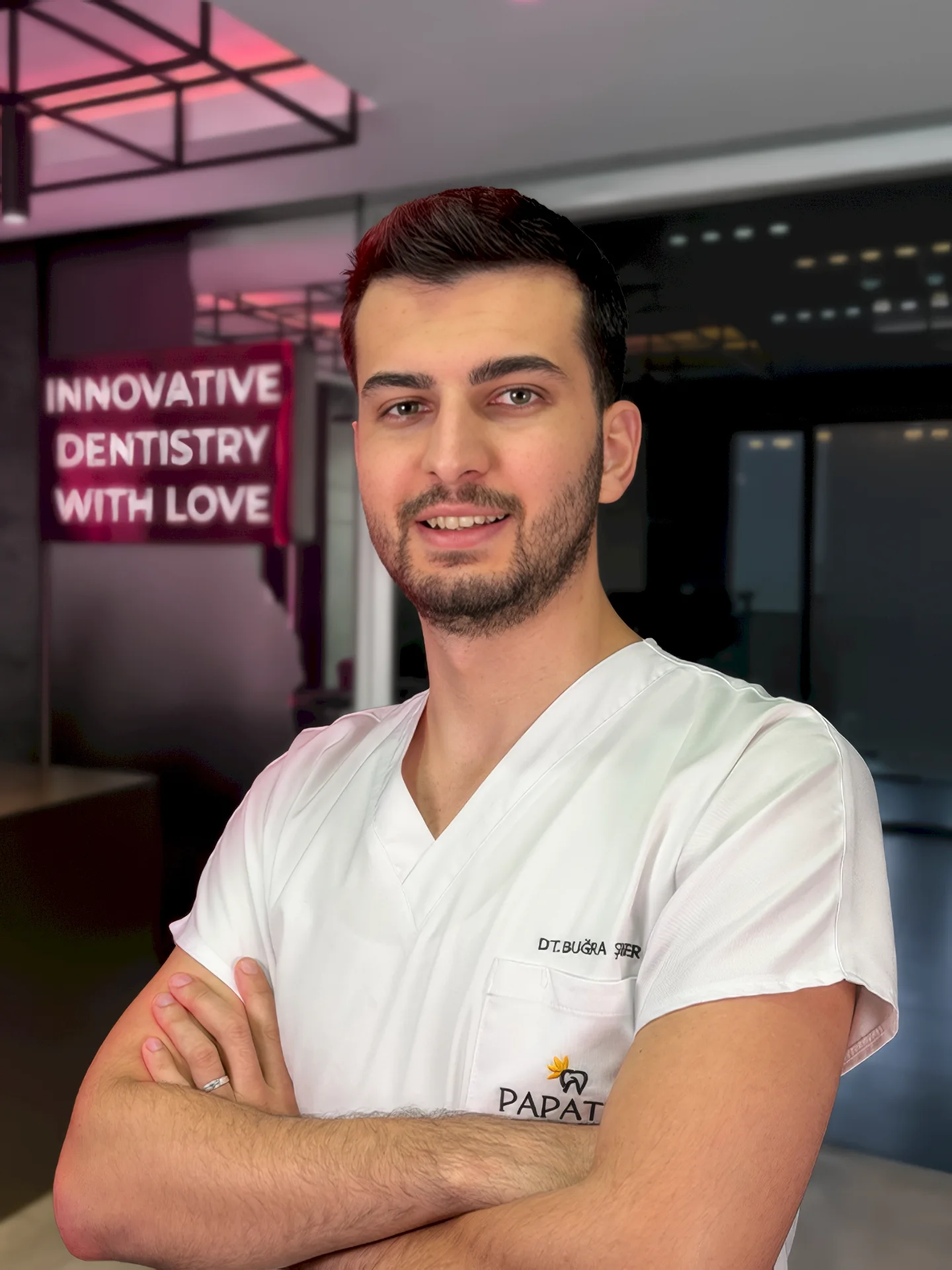
Muhammet Buğra Şener
Dentist, Aesthetic Dentistry
View doctor profile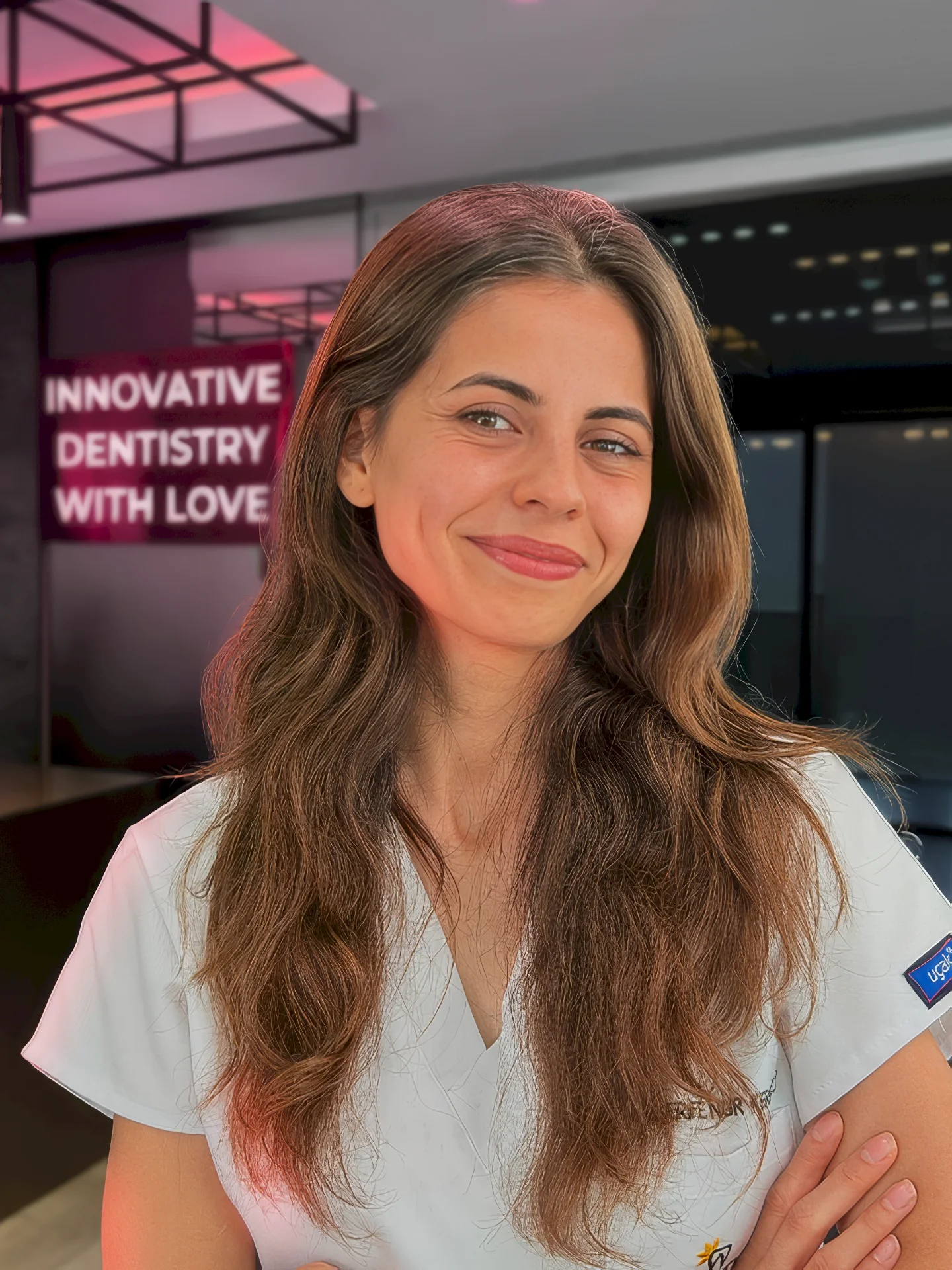
Şerife Nur Kerpiçci
Dentist, Aesthetic Dentistry
View doctor profileLast medical review: 10 August 2026