


How Much Dental Implants Hurt: What the Studies Show
Most people find implant surgery less painful than they expect: in a study of 366 patients, 78.7% reported no or mild pain during surgery (0 to 3 out of 10). It is done under local anaesthesia, which numbs the gum and bone around the site. During surgery most people feel pressure, vibration and the sound of the instruments, but not sharp pain. Some people still feel some pain: in a 2026 study of 40 patients having three or more implants, those treated under local anaesthesia alone rated pain during surgery at about 3 out of 10 on average, and those who also had intravenous sedation at a median of 0.5.
Afterwards, the numbness wears off over a few hours and soreness takes its place. In a study of 366 patients followed after implant surgery, 57.7% reported discomfort on the first day, 36.1% on day three and 17.5% on day seven; pain and swelling were the most common symptoms. A bone graft at the same time, pain felt during surgery, age and drinking alcohol were linked to more discomfort.
Many people expect implant surgery to hurt more than it does. A review comparing the two procedures found implant placement less unpleasant than a tooth extraction, with less pain afterwards and less disruption to daily life.
Some things make pain more likely. A 2021 systematic review of 38 studies found that surgery with a flap (where the gum is opened), anxiety, a longer operation, expecting a lot of pain and higher pain early on were all linked to more pain after implant surgery. Whether the implant goes in the upper or the lower jaw made no difference.
Bone grafting adds to the discomfort. In a study of 27 patients who had a tooth removed and the bone rebuilt at the same visit, symptoms peaked on day two, when 41–56% reported moderate to severe pain, swelling or difficulty opening the mouth, although most had only mild symptoms or none over the two weeks. Where there is enough bone, implants can sometimes be placed through the gum with a surgical guide, without a flap; in five randomised trials this caused less pain after surgery than conventional flapped surgery, although the certainty of that evidence is low.
Papatya Dental Clinic is in Konyaaltı, Antalya, on Turkey's Mediterranean coast. It welcomes patients from the UK and elsewhere in Europe, and many of its enquiries come from the US. Implant treatment is planned with 3D imaging and carried out by oral surgeons and periodontists, under local anaesthesia, with sedation or general anaesthesia under the supervision of an anaesthetist when needed. Someone travelling with you can come into the examination and wait in the waiting area during surgery.
During surgery
Local anaesthesia numbs the area; pressure and vibration are normal. With local anaesthesia alone, pain during surgery averaged about 3 out of 10 in one study.
The day after
In a study of 366 patients, 57.7% reported discomfort on day one; by day seven, 17.5% did.
The worst days
Usually the first two to three days; pain relief matters most in the first 72 hours.
Compared with an extraction
A review of clinical studies found implant placement less painful than having a tooth taken out.
With sedation
In a study of 40 patients, those given intravenous sedation rated pain during surgery at a median of 0.5 out of 10.
Patient stories
In their own words
Patients who travelled to Antalya talk about their treatment, their days at the clinic and the moment they first saw their new teeth. Each story is that patient's own experience; your plan is decided after your examination.
David from Nottingham talks through his whole treatment in an eight-minute interview: the first consultation, implant surgery, recovery and his new smile. Read the story
What Makes Implant Surgery Hurt Less
How much implant surgery hurts depends mostly on the surgery itself and on how anxious you are beforehand. These are the factors studies link to less pain; which of them apply to you is decided at your examination.
Enough bone at the site
When no bone graft is needed, the operation is shorter and recovery is usually easier; bone augmentation was linked to more discomfort in a study of 366 patients.
Flapless placement where possible
In five randomised trials, implants placed through the gum with a surgical guide caused less pain afterwards than flapped surgery; not every site has enough bone for it.
Knowing what to expect
Anxiety and expecting a lot of pain were both linked to more pain after surgery in a 2021 systematic review, so a clear plan before surgery day helps.
Pain relief planned in advance
Anti-inflammatory painkillers reduced pain after implant surgery compared with placebo in clinical trials, and the first 72 hours matter most.
Bone volume
Whether a bone graft or sinus lift is needed, since these add swelling and soreness; the 3D scan shows this before surgery.
Length of the operation
A 2021 systematic review linked longer operations to more pain, but found no clear effect from the number of implants itself.
Anxiety
If you are nervous about surgery, sedation or general anaesthesia under the supervision of an anaesthetist can be planned in advance.
Medical history and medicines
Which painkillers suit you depends on your health and the medicines you take, so tell your surgeon about them.
A plan for dental anxiety
If fear of treatment might stop you going ahead, discuss sedation with the clinic before you book surgery dates.
Avoiding alcohol around surgery
In a study of 366 patients, alcohol consumption was linked to more severe and longer-lasting discomfort after implant surgery.
Painkillers matched to your health
Some people cannot take anti-inflammatory painkillers; pain relief is then planned around your medical history.
When Implant Pain Is Not Normal
Pain that grows after the first few days, numbness that does not wear off, a temperature or pain around an implant years later are not normal and need a check. Most pain after implant surgery is short-lived.
Infection
Increasing pain, swelling or a bad taste after the first few days can mean infection, which needs treatment.
Nerve irritation
In the lower jaw, an implant close to the nerve can cause numbness or tingling that does not wear off; 3D planning is used to keep a safe distance from it.
Bone graft soreness
Grafting adds swelling and soreness; in one study of tooth removal with a graft, 41–56% of patients reported moderate to severe symptoms on day two, although most had mild symptoms or none over the two weeks.
Pain years later
Pain around an implant long after healing is not part of recovery; inflammation around the implant (peri-implantitis) needs a check.
What Happens on Surgery Day
On surgery day the area is numbed, the implant is placed while you usually feel pressure rather than sharp pain, and the numbness wears off over the following hours. The first visit to Antalya for implants usually lasts about five days, counting the days you arrive and leave, and the final teeth are fitted at a second visit once the implants have fused with the bone, which generally takes a few months.
- 1
Before you travel
You send photos and any recent X-rays, and the clinic's dentists prepare an online assessment and a draft plan. Your coordinator explains the plan, the dates and how many days you need. If you would rather meet in person first, the clinic's offices in London (25 Southampton Buildings) and Helsinki offer consultations and treatment planning; all treatment is carried out in Antalya.
- 2
Examination and 3D scan
At the clinic your mouth is examined and a 3D scan shows the bone, so the implant position, and whether a graft is needed, is decided before surgery. Someone travelling with you can come into the examination.
- 3
Numbing and sedation
The area is numbed with local anaesthesia. If you are anxious, sedation or general anaesthesia is given under the supervision of an anaesthetist, as agreed in your plan.
- 4
Placing the implant
You feel pressure and vibration but should not feel sharp pain; if you do, tell the surgeon, as more anaesthetic can be given.
- 5
Straight after surgery
The numbness wears off over the next few hours. Take the pain relief your surgeon advises and rest with your head raised.
- 6
The first three days
Soreness and swelling are at their most noticeable. Cold compresses on the cheek, soft food and the advised painkillers help.
- 7
Check before you fly
The surgical site is checked before you leave Antalya, and you take your care instructions home with you.
Alternatives If Surgery Worries You
If surgery itself is the worry, the alternatives to implants are a bridge or a denture, which need no surgery, or implants placed under sedation. Each has its own trade-offs.
Bridge
Replaces a missing tooth using the neighbouring teeth, which are prepared for crowns; no surgery, but healthy tooth structure is removed.
Removable denture
No surgery, but it is less stable than teeth fixed on implants.
Implants under sedation
If anxiety is the main obstacle, sedation lets you have implant surgery with much less awareness of it.
Fewer implants for a full arch
For a whole jaw, All-on-4 fixes a full set of teeth on four implants instead of one for each missing tooth; it is still surgery.
What Reduces Pain During and After Surgery
Three things make the biggest difference to how implant surgery feels: how the implant is placed, how anxiety is managed and how pain relief is planned. Placing implants through the gum with a surgical guide reduced pain after surgery in randomised trials, where the bone allows it. Intravenous sedation was linked to lower pain and anxiety during surgery in a 2026 study of 40 patients having three or more implants. Anti-inflammatory painkillers reduced pain compared with placebo, with the first 72 hours the most important.
Local anaesthesia
Numbs the gum and bone around the implant site for the operation.
Sedation
For anxious patients, given under the supervision of an anaesthetist; in one study of 40 patients, those sedated rated pain during surgery at a median of 0.5 out of 10, against an average of about 3 with local anaesthesia alone.
3D planning
A scan of the jaw shows the bone before surgery, so the need for a graft is known before surgery day.
Recovery: How Long Implant Pain Lasts
Pain after implant surgery is usually worst in the first two to three days and fades over the first week. In a study of 366 patients, 57.7% had discomfort on day one, 36.1% on day three and 17.5% on day seven.
- 1
Day of surgery
Numbness for a few hours, then soreness. Take the advised painkillers and rest with your head raised.
- 2
Days one to three
Soreness and swelling are at their most noticeable, and pain relief matters most in the first 72 hours.
- 3
Days four to seven
Most people need fewer painkillers each day; by day seven, fewer than one in five patients in the 366-patient study still reported discomfort.
- 4
After the first week
Soreness should be gone or nearly gone, while the implant fuses with the bone over the following months.
Cold and rest
Hold a cold compress against the cheek on the first day and avoid hard exercise for a few days.
Food
Eat soft, lukewarm food and chew on the other side until the area is comfortable.
Keeping it clean
Keep the area clean as your surgeon advises, without brushing hard over the wound.
Once you are back home
Papatya Dental Clinic follows up every treatment with 12 months of online aftercare, and your coordinator can be reached on WhatsApp.
Pain that gets worse after day three
Pain that increases instead of fading can be a sign of infection; send a photo to your coordinator.
Swelling with a temperature
Contact the clinic straight away, especially if the swelling spreads or you feel unwell, and see a dentist or doctor where you are on the same day. If swelling spreads towards your neck or you have difficulty swallowing, go to an emergency department straight away; if you have difficulty breathing, call the emergency services.
Numbness that does not wear off
Numbness or tingling of the lip or chin that lasts beyond the day of surgery should be reported straight away.
What Affects the Cost of Implant Treatment
The cost of implant treatment depends on the number of implants, whether a bone graft or sinus lift is needed, the teeth fitted on the implants and whether you choose sedation. A fixed figure cannot be given before your scan has been assessed; current prices are shared with you, together with your treatment plan, when you contact us. The first step is an online assessment: you send photos and any recent X-rays, and the clinic's dentists prepare a draft plan. You can pay by card, bank transfer or cash.
Number of implants
A single implant, several implants and a full arch are planned and priced differently.
Bone grafting or sinus lift
Needed only when there is not enough bone, which the 3D scan shows.
Sedation or general anaesthesia
Planned separately for anxious patients and given under the supervision of an anaesthetist.
The teeth on the implants
A crown, a bridge or a full arch of teeth each have their own cost.
Do Dental Implants Hurt? Frequently Asked Questions
Do dental implants hurt?
Implants are placed under local anaesthesia, so you should feel pressure but not sharp pain during surgery. Soreness and swelling afterwards are common and fade over the first week: in a study of 366 patients, 57.7% reported discomfort on day one and 17.5% on day seven.
Is getting an implant more painful than having a tooth out?
Usually not. A review of clinical studies found implant placement less unpleasant than a tooth extraction, with less pain afterwards and less disruption to daily life.
How long does pain last after dental implant surgery?
It is usually worst in the first two to three days and fades over a week. In a study of 366 patients, the share with discomfort fell from 57.7% on day one to 36.1% on day three and 17.5% on day seven. A bone graft at the same time can make it last longer.
What does implant surgery feel like?
Once the area is numb, most people feel pressure, vibration and the sound of the instruments. In a 2026 study of 40 patients having three or more implants, those treated under local anaesthesia alone rated pain during surgery at about 3 out of 10 on average.
Can I be sedated for dental implants?
Yes. At Papatya Dental Clinic, sedation or general anaesthesia can be planned for anxious patients and is given under the supervision of an anaesthetist. In one study, patients given intravenous sedation rated pain during surgery at a median of 0.5 out of 10.
Which painkillers work after implant surgery?
In clinical trials, anti-inflammatory painkillers reduced pain after implant surgery compared with placebo, and the first 72 hours mattered most. Take what your surgeon advises, since the right choice depends on your health and other medicines.
Does a bone graft make implant surgery more painful?
It usually adds to the discomfort. In a study of 366 patients, bone augmentation was linked to more severe discomfort, and after a tooth removal with a bone graft, symptoms peaked on day two in another study.
Is flapless implant surgery less painful?
In five randomised trials, implants placed through the gum with a surgical guide caused less pain afterwards than surgery with a flap, although the certainty of the evidence is low. It needs enough bone at the site, which the 3D scan shows.
Do upper or lower implants hurt more?
Neither, according to a 2021 systematic review: whether the implant was placed in the upper or the lower jaw did not affect pain. The length of the operation and anxiety mattered more.
Is it normal for an implant to hurt after a week?
Mild tenderness can last a little longer, but pain that gets worse instead of better is not normal. Send a photo to your coordinator so the clinic can check it.
What can I eat after implant surgery?
Soft, lukewarm food for the first few days, chewing on the other side. Avoid very hot, hard or crunchy food until the area is comfortable.
Can someone come with me?
Yes. Someone travelling with you can come into the examination and wait in the waiting area during surgery.
What happens if I have pain when I am back home?
Send a photo and a short description to your coordinator on WhatsApp. Papatya Dental Clinic follows up every treatment with 12 months of online aftercare. Depending on what has happened, you are advised by your dentist in Antalya, referred to a partner aftercare dentist where one is available or invited back to the clinic.
Can I meet the team before I travel?
Yes. Papatya Dental Clinic has offices in London (25 Southampton Buildings) and Helsinki, where you can have a consultation and plan your treatment; all treatment is carried out in Antalya. The clinic also holds MeetUp events in cities in the UK and the US where you can meet the team in person. If you would rather start from home, send photos and any recent X-rays for an online assessment.
How many days do I need in Antalya for implants?
The first stage usually takes 1–4 days at the clinic; for implants, plan around five days in Antalya for the first visit, counting the days you arrive and leave. The final teeth are fitted once the implants have fused with the bone, which generally takes a few months; in suitable cases, temporary teeth can be fitted in the meantime.
Medical sources
View medical sources
Medically reviewed by
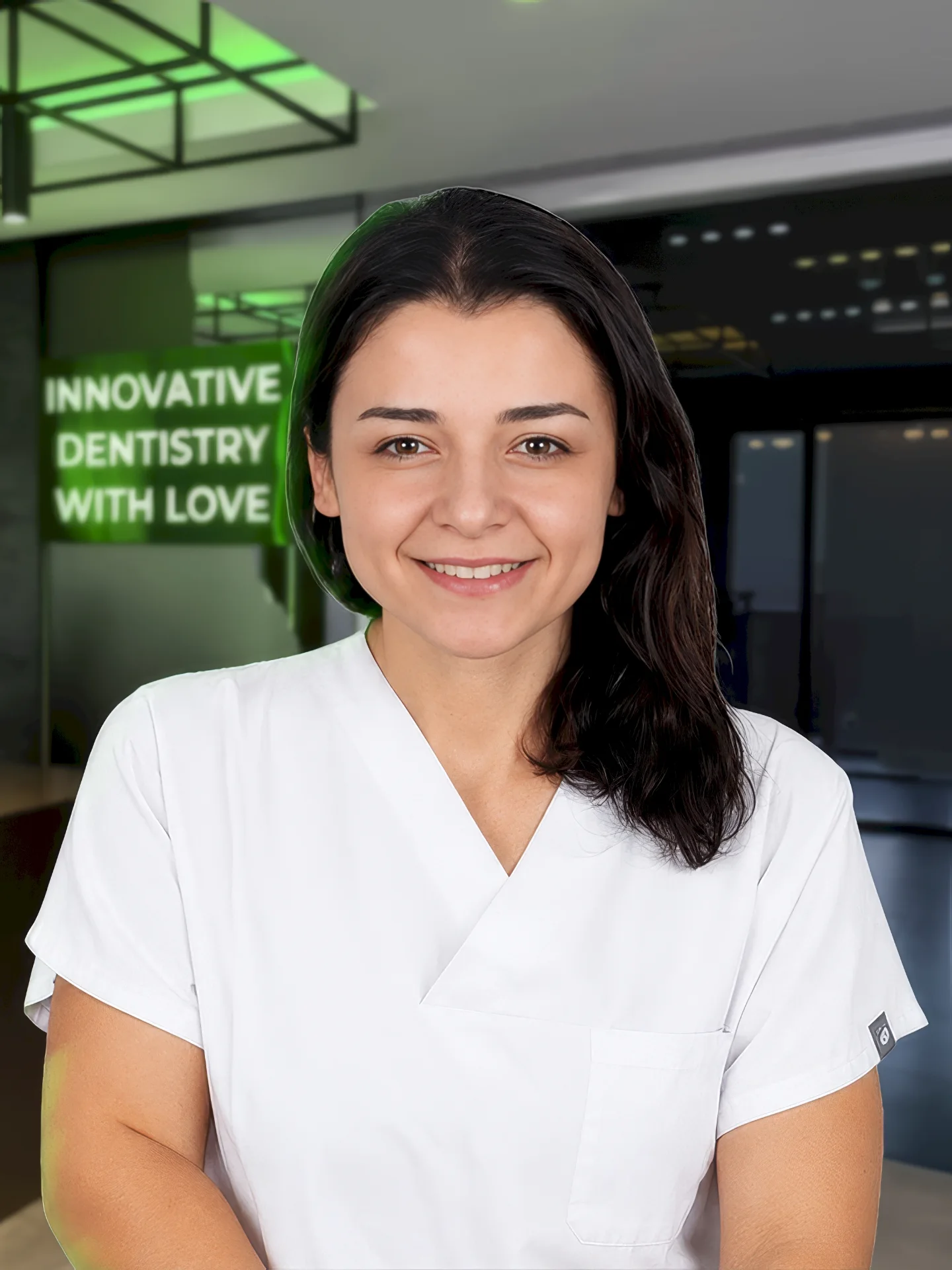
Gülen Kamak
Assoc. Prof., Specialist in Periodontology and Implantology
View doctor profile
Ahmet Metin Bal
Chief Dentist
View doctor profile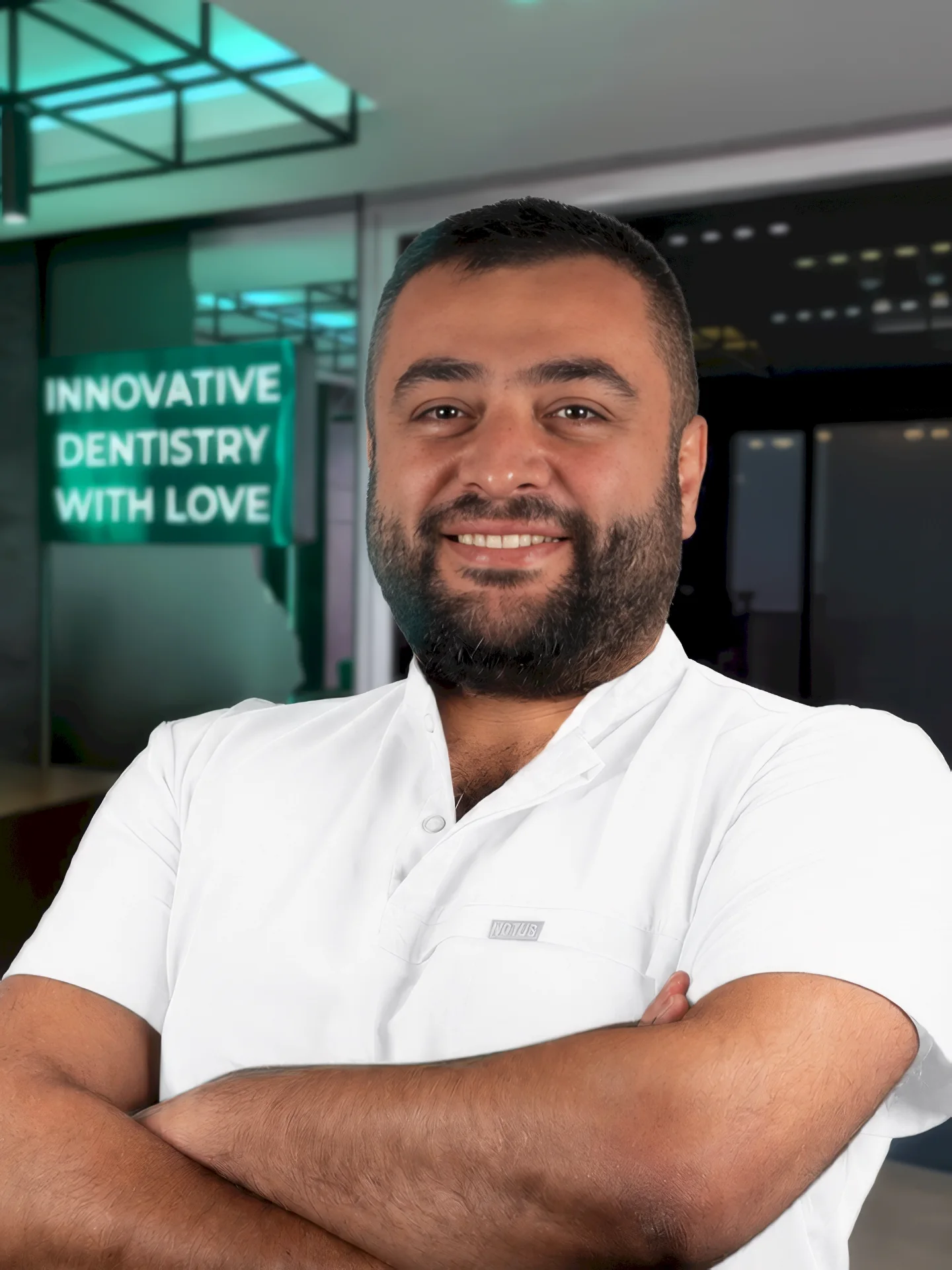
Ozan Ergen
Specialist in Oral, Dental and Maxillofacial Surgery
View doctor profileLast medical review: 26 October 2026