

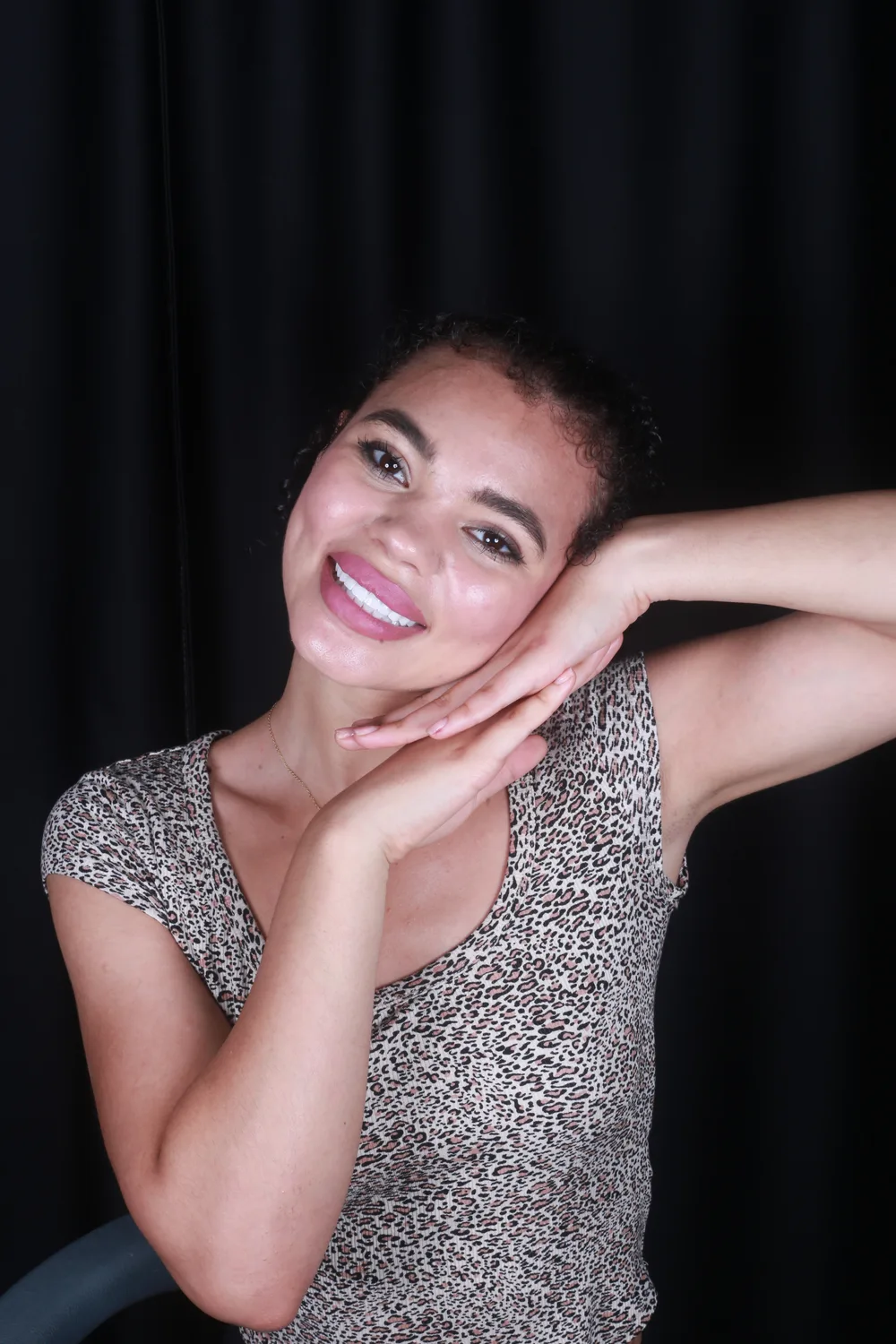
Difference Between BL1 and A1 Veneer Shades
BL1 and A1 are tooth shades that may be chosen for porcelain or zirconia veneers. The main difference lies in the degree of whiteness and the character of the appearance: BL1 offers a brighter, lighter and more bleached effect, whereas A1 is among the lighter shades of natural tooth colour.
The BL1 shade may be considered by people seeking a distinctly white smile. A1 may be evaluated when harmony with the surrounding teeth, a softer whiteness and a natural colour transition are desired. Both shades are affected by the light-transmitting properties and surface structure of the veneer material.
Shade selection is not based on a single shade alone; lip and skin tone, the appearance of the whites of the eyes, the colour of the neighbouring teeth, the number of teeth to be veneered and the overall balance of the smile are considered together. Colour harmony with the surrounding teeth is particularly important for single-tooth veneers.
The longevity of the veneer shade depends not only on the selected material but also on daily habits and oral care. Factors such as tea, coffee and smoking can cause colour changes in natural teeth; therefore, the way the existing teeth may change in shade over time is also taken into account during planning. The appropriate shade is determined through examination and colour assessment.
BL1 shade
BL1 is considered one of the very light and bright white shades on colour scales; it may be considered when a more distinctly white smile is desired.
A1 shade
A1 is a light shade that can harmonise with natural tooth colours; it may be considered by people seeking a soft and natural whiteness.
Key difference
The main distinction between the two shades is the intensity of whiteness. BL1 appears lighter, while A1 may have a more natural colour character.
Harmony with neighbouring teeth
For a single veneer or a limited number of veneers, harmony between the selected shade and the existing teeth is important for aesthetic unity.
Shade planning
Skin tone, lip colour, smile line, number of teeth and the existing tooth colour require shade selection to be personalised.
Effect of care
Regular oral care and check-ups help maintain the appearance of veneers; the colour of natural teeth may change over time.
BL1 and A1 Veneer Shades: Which One Suits Whom?
The choice between BL1 and A1 is determined by considering the number of teeth receiving veneers, the existing shade of adjacent teeth, the level of whiteness expected, and potential color changes in natural teeth over time.
Expectation of a distinctly bright, white shade
BL1 may be considered for people who want a brighter, more noticeable and whitened appearance in their smile. Its compatibility with facial and smile balance is assessed during shade analysis.
A gentle color transition with natural teeth
A1 may be considered for people who want to preserve the light shade of their existing teeth and achieve a natural-looking veneer. Harmony is particularly sought in smiles where the natural color character is dominant.
Planning veneers for multiple front teeth
When veneers are planned for multiple teeth in the front region, either the lighter BL1 or the more naturally characterized A1 shade may be assessed in line with the overall smile goal.
Those considering changing their natural tooth shade
For people planning whitening for natural teeth not receiving veneers, a BL1 or A1 shade compatible with the intended final tooth color may be considered.
Shade harmony with adjacent teeth and restorations
The color of the natural teeth, fillings or existing veneers adjacent to the area receiving the veneer is examined. Especially in single-tooth treatments, the appearance of the shade difference in the smile is assessed.
Appearance under light and personal aesthetic expectations
How the shades are perceived in daylight and different types of ambient lighting is considered together with the light transmission of the tooth surface. The person’s expectation of a natural or whiter appearance guides planning.
Risk of a noticeable shade difference with a single veneer
When a veneer is planned for a single front tooth, BL1 may be noticeably lighter than the adjacent natural teeth. In this case, a more compatible shade such as A1 or different aesthetic options may be considered.
Active sources of discoloration and maintenance needs
Heavy smoking, frequent consumption of colored beverages or inadequate oral care can change the shade of natural teeth. These factors may need to be managed and maintenance routines adjusted before shade selection.
Potential Risks When Choosing the Shade of BL1 and A1 Veneers
The aesthetic result of choosing between BL1 and A1 varies depending on the number of veneers, the existing shade of the adjacent teeth, the material used, and the individual’s smile characteristics. To assess expectations regarding shade harmony accurately, shade selection should be made following an examination and clinical evaluation.
Shade mismatch with adjacent teeth
Particularly with a single veneer or a limited number of veneers, a very light shade such as BL1 may appear more noticeable than the natural adjacent teeth. With A1, a shade difference may also be perceived if the surrounding teeth are darker or have a different character; therefore, the shade is assessed together under different lighting conditions.
An appearance that is brighter or more natural than expected
BL1 may be suitable for those who want pronounced whiteness; however, it may be perceived as brighter than expected in relation to the individual’s facial features, lips, and smile structure. While A1 aims for a natural effect, it may not appear light enough for people expecting a very white smile.
Natural teeth changing color over time
The veneer surface and natural tooth tissue do not respond to discoloration in the same way. Tea, coffee, smoking, and oral care habits may change the shade of natural teeth over time; a difference may subsequently develop between the surrounding teeth and a BL1 or A1 veneer that was initially harmonious.
Changes in shade perception under different lighting
The color of a veneer may be perceived differently depending on daylight, indoor lighting, the light transmission of the material, and the surface structure. A BL1 or A1 shade that is appreciated in the clinical setting may appear warmer, grayer, or brighter under other lighting conditions.
Limited ability to correct the shade change later
Once the veneer has been placed, its color generally cannot be changed through a whitening procedure. If the shade does not meet expectations, adjustments that can be made to the surface may be limited, and replacing the veneer may be considered to change the color.
How does the BL1 and A1 veneer shade selection process work?
When choosing between BL1 and A1, the production and application stages of the veneers are largely the same. The main differences in the process involve the level of detail in the shade analysis, the goal of matching the adjacent teeth, and how the shade is assessed during the try-in stage.
- 1
Defining the shade goal
With BL1, the assessment is based on the goal of achieving a lighter, more pronounced whiteness. With A1, a softer match and more natural transition with the existing teeth may be prioritized; the importance of this choice varies depending on the number of teeth receiving veneers.
- 2
Assessing harmony with the adjacent teeth
For a single veneer or a limited number of veneers, the A1 shade may be considered more often to approximate the color of the neighboring teeth. When BL1 is selected, it is also reviewed whether the surrounding teeth will appear darker and how the color difference will look in the smile.
- 3
Planning with shade samples
The options are compared under different lighting conditions using shade guides and, when necessary, sample restorations. With BL1, the effect of brightness and lightness on the overall smile is considered; with A1, the plan is guided by its harmony with the undertones of the natural teeth.
- 4
Checking the shade during the veneer try-in
When the veneer reaches the try-in stage, the selected shade is assessed together with the lips, facial appearance, and adjacent teeth. With BL1 in particular, an excessively bright appearance under light is reviewed, while with A1, sufficient lightness and overall color harmony are reassessed.
- 5
Monitoring the appearance after application
The veneer’s color remains stable, while the natural teeth may change color over time. Although the maintenance approach is similar for BL1 and A1, changes in the shade of the surrounding teeth may affect color harmony when only a limited number of veneers are placed. The final assessment is made during the examination.
Coating Color Options Other Than BL1 and A1
In addition to BL1 and A1, other coating shades may also be considered based on the color of the existing teeth, the number of teeth to be treated, and the desired smile appearance. The appropriate choice is made by assessing the material’s optical properties together with changes in the color of the surrounding teeth over time.
Natural shades with intermediate brightness
Shades between the pronounced whiteness of BL1 and the natural appearance of A1 may be considered when a brighter result is desired without an overly conspicuous white appearance. The color transition is assessed particularly when preserving the light color character of the surrounding teeth is a goal.
Custom shading based on the color of adjacent teeth
For a single veneer or a limited number of veneers, a shade close to the color structure of the adjacent teeth may be chosen instead of a standard BL1 or A1 shade. Color differences in the cervical and incisal-edge regions of the tooth may also be considered for aesthetic harmony.
Adjusting the color of the natural teeth first
If the natural teeth outside the veneers are dark or uneven in color, procedures aimed at lightening the natural tooth color may be considered before determining the veneer shade. This approach is assessed particularly when the aim is for the veneers to appear more balanced with the surrounding teeth.
Measurement and Material Planning for BL1 and A1 Veneer Shades
When planning BL1 and A1 shades, shade guides, visual evaluation under controlled lighting, and, when needed, clinical photographs may be used. These records help assess the intended level of whiteness together with the adjacent teeth, lips, and the overall appearance of the smile.
In porcelain- and zirconia-based veneers, the framework, the thickness of the ceramic layers, light transmission, and surface characteristics can affect how the shade is perceived. Particularly when dark tooth structure needs to be masked, material selection forms part of the plan for achieving the desired BL1 or A1 appearance.
Digital design, trial restorations, or laboratory shade records may support communication in some cases; however, none of these alone determines the final shade result. The method to be used, the number of veneers, the existing tooth shade, and intraoral conditions are assessed after examination.
Initial assessment with a shade guide
Standard shade guides help compare the difference in whiteness between BL1 and A1 alongside the existing teeth. The assessment may take into account the effect of different lighting conditions on shade perception.
Clinical photography and laboratory shade records
Photographs and written shade records may help the dentist and laboratory assess the target shade, the color characteristics of the surrounding teeth, and surface details using the same reference.
Light transmission and opacity planning
The way the veneer material transmits and reflects light plays a role in whether BL1 is perceived as bright or A1 as more natural. The appearance of the color beneath the tooth is also considered in this planning.
Trial and smile design records
When multiple teeth will be veneered, digital design or temporary trials may help assess how the shade may be perceived together with the smile line and tooth forms.
Recovery and Care for BL1 and A1 Veneers
The adjustment and recovery period after veneer placement may vary depending on the scope of the procedure, the number of veneers, gum condition, and individual oral habits. No significant difference in recovery is expected between BL1 and A1 shades; your dentist’s care and follow-up recommendations take priority.
- 1
Adjusting to the veneers in the first days
Temporary sensitivity or a different sensation may occur while you adjust to the shape, surface, and bite of the new veneers. This varies from person to person. If you experience catching while chewing, a feeling that the veneers are too high, or persistent significant discomfort, a clinical evaluation may be needed.
- 2
Gum adaptation
After the procedure, the gum around the veneer margins may feel sensitive or irritated for a short time. Gentle, regular cleaning supports gum health. Choosing BL1 or A1 does not change this care requirement; keeping the veneer margins clean is important with both options.
- 3
Monitoring shade harmony
BL1 may create a brighter appearance, while A1 may appear more naturally white. The veneer shade generally remains stable, whereas the color of surrounding natural teeth may be affected by habits. Especially with a limited number of veneers, any shade mismatch noticed over time should be assessed together at the clinic.
- 4
Maintaining the appearance over time
With both shade options, keeping the veneer surfaces and gumline clean helps maintain the aesthetic appearance. Factors such as tea, coffee, and smoking may affect harmony mainly by changing the shade of natural teeth. During check-ups, the veneers and surrounding tissues are examined together.
Clean the veneer margins carefully
Clean your teeth and the veneer margins along the gumline regularly, using the method recommended by your dentist. Accumulated plaque may negatively affect gum health and the appearance around the veneers.
Monitor shade harmony over time
The shade of the natural teeth surrounding BL1 or A1 veneers may change over time. If the color difference bothers you, consult your dentist before having any procedure performed on your own.
Persistent chewing discomfort
Contact the clinic if you have sensitivity that does not go away, significant pain when chewing, a feeling of height or catching when biting, or the impression that a veneer is moving.
Changes in the gums or veneers
Consult the clinic if you notice ongoing bleeding, swelling or marked redness, a feeling of a crack or fracture in a veneer, or any change in appearance that concerns you.
Factors Affecting the Cost of BL1 and A1 Veneer Shades
Choosing a BL1 or A1 shade alone does not determine an exact fee. The condition of the teeth to be restored, the scope of the procedure, the aesthetic characteristics of the selected material, and the intended harmony with the surrounding teeth are assessed after examination through personalised planning.
Aesthetic colour planning for the BL1 shade
BL1 may be considered when a very light and distinctly white appearance is desired. To achieve a natural overall appearance in the smile, the number of veneers, the appearance of opposing and adjacent teeth, and colour perception under light are planned together; the scope of this planning may affect the cost.
Harmony with surrounding teeth for the A1 shade
With the A1 shade, harmony with the colour of existing teeth is particularly important for a single veneer or a limited number of veneers. Colour transitions in adjacent teeth, the shade of natural teeth—which may change over time—and the smile line can affect shade selection and the detail of the laboratory work.
Number and distribution of teeth receiving veneers
Whether the procedure involves a single tooth, several teeth, or the visible smile area changes the overall scope of treatment. The choice of BL1 or A1 may affect planning the number of teeth according to how the veneers will appear next to one another and alongside natural teeth.
Light transmission and surface characteristics of the material
The light-reflecting and light-transmitting properties of materials such as porcelain or zirconia play a role in the bright appearance of BL1 or the natural character of A1. The material and surface finishing suited to the desired colour effect are among the factors affecting the technical scope of the procedure.
Clinical condition of the existing teeth and underlying structure
The structure of the teeth beneath the veneers, the degree of discolouration, the presence of previous restorations, and their relationship with the gums are evaluated. These clinical conditions may change the scope of the preparation required for the selected BL1 or A1 shade to be reflected as intended.
Before / After

FAQ About BL1 and A1 Veneer Shades
What is the main difference between BL1 and A1 veneer shades?
The main difference is the degree of whiteness and the character of the appearance. BL1 offers a lighter, brighter, bleached effect, while A1 generally aims for a softer whiteness that is more compatible with natural tooth shades.
Would BL1 or A1 be more suitable for my smile?
The appropriate shade is determined according to the desired appearance of your smile and its harmony with your existing teeth. Skin and lip tone, the color of adjacent teeth, the number of veneers, the smile line, and the properties of the material should all be evaluated together during the examination.
Can BL1 be chosen for a single-tooth veneer?
BL1 can be chosen for a single-tooth veneer, but the possibility of a color difference with the surrounding teeth should be assessed. For aesthetic harmony, the shade of the adjacent teeth and their appearance under light are especially important in shade selection.
Does a BL1 veneer last longer than an A1 veneer?
The BL1 or A1 shade itself does not determine the lifespan of a veneer. Maintaining its appearance depends on the material selected, surface characteristics, oral care, check-ups, and color changes that may develop over time in natural teeth.
Can I switch from A1 to BL1 later?
A shade change may be possible depending on the condition of the existing veneer and the scope of the procedure to be performed. Changing the veneer color generally requires an assessment of the existing restoration; the appropriate approach is planned after the examination.
Is veneer color affected by tea, coffee, or smoking?
Although the appearance of veneers may vary depending on the material and surface structure, tea, coffee, and smoking can cause discoloration in natural teeth. This is taken into account during shade planning because a difference in shade may develop over time between the veneer and the surrounding teeth.
What is considered to make a veneer color look natural?
For a natural appearance, the shade is not selected solely from the color guide; the veneer’s light transmission, surface structure, harmony with adjacent teeth, and the overall balance of the smile are also evaluated. Regular oral care and check-ups help maintain the appearance.