


Overview of Removable Partial Dentures
A removable partial denture is a type of prosthesis that replaces one or more missing teeth, drawing support from the natural teeth remaining in the mouth and edentulous areas, and can be inserted and removed by the patient. Its primary aim is to support chewing function, speech, and the integrity of the smile.
These prostheses may be considered when a fixed bridge or implant treatment is not preferred or suitable in every situation. The number and location of missing teeth, the condition of the remaining teeth, and the gums and jaw structure affect the design of the prosthesis selected.
Before planning, the oral tissues, existing teeth, occlusal relationship, and oral hygiene are evaluated together. The fit of the prosthesis with the surrounding tissues is important for wearing comfort, balanced force distribution during chewing, and protection of the remaining teeth.
Removable partial dentures require regular cleaning and check-ups. Changes that may occur over time in the oral tissues or supporting teeth may require the fit of the prosthesis to be reassessed and adjusted when necessary.
Removable design
Removable partial dentures can be taken out of the mouth by the patient for daily care.
Replacing missing teeth
When several teeth are missing, they may help replace the missing teeth according to the location of the spaces.
Support from natural teeth
Existing teeth may contribute to support and retention in the prosthesis design; the condition of these teeth is assessed.
Customized design
The remaining teeth, gums, jaw structure, and occlusal relationship are factors that determine the prosthesis plan.
Maintenance requirements
Regular cleaning of the denture and oral tissues contributes to maintaining oral health.
Fit checks
Changes in the oral structure may affect the fit of the prosthesis; check-ups and adjustments can be carried out when necessary.
Who May Be Suitable for a Removable Partial Denture?
The suitability of a removable partial denture is determined by assessing together the distribution of missing teeth, the health of the abutment teeth and gums, the jaw and bite relationship, oral hygiene habits, and the ability to adapt to daily denture use.
People with multiple missing teeth
For people with one or more missing teeth in different areas of the mouth, a removable partial denture may be considered based on the location of the spaces and the support provided by the remaining teeth.
When fixed options are limited
When the area of missing teeth is extensive or there is insufficient support for a fixed restoration, a removable partial denture may be an alternative replacement option.
People whose natural teeth can be preserved
If the periodontal condition and structural strength of the remaining natural teeth are adequate, a denture supported by these teeth may be planned after examination.
People able to use a removable solution
This treatment option may be considered for people who can regularly insert, remove, and clean the denture, taking their usage habits into account.
Abutment teeth and oral tissues
The remaining teeth are examined for decay, fractures, mobility, and signs of gum disease. The areas of the palate, tongue, cheeks, and edentulous ridges that will contact the denture are also assessed.
Bite and functional requirements
The relationship between the upper and lower jaws during closure, chewing forces, the distribution of missing teeth, and aesthetic expectations are examined to plan the denture design and alternative options.
Uncontrolled oral diseases
If there is active gum disease, extensive tooth decay, painful infections, or unhealed oral wounds, these problems may need to be treated before denture planning.
Conditions that make denture use difficult
If oral hygiene cannot be maintained, manual dexterity problems make it difficult to insert and remove the denture safely, or there is significant difficulty adapting to it, different approaches may need to be considered.
Potential Risks of Removable Partial Dentures
The effects associated with removable partial dentures may vary depending on the condition of the oral tissues, the health of the remaining teeth, the denture design, and usage habits. Regular check-ups, cleaning, and necessary fit adjustments can help identify potential problems early.
Soreness and irritation during the initial period
A new denture may cause pressure, tenderness, or sore spots in certain areas until the oral tissues adapt. If ongoing pain, a wound, or denture impingement occurs, clinical adjustment of the denture may be necessary.
Adjustment period for chewing and speaking
When beginning to use a denture, a sensation of movement while chewing, food accumulation, or temporary changes in producing certain sounds may occur. These effects are evaluated together with the denture’s stability, fit, and the individual’s adaptation process.
Caries and gum problems in abutment teeth
If plaque is not adequately removed from areas contacted by the clasps and denture, the risk of caries, gingival inflammation, or sensitivity in the abutment teeth may increase. Regular cleaning of the denture and natural teeth separately is important.
Denture loosening or becoming ill-fitting over time
Changes that may develop over time in the gums and jawbone can affect how the denture fits. A loose or unstable denture may slip during chewing, cause irritation, or transmit forces to the remaining teeth in an unsuitable manner.
Increased load on remaining teeth and tissues
When the denture design, occlusion, or fit is inadequate, chewing forces may become concentrated on certain abutment teeth or soft tissues. This is assessed during clinical check-ups in relation to sensitivity, tooth mobility, or tissue discomfort.
How does the process for a removable partial denture proceed?
The process begins with an intraoral evaluation and planning the denture design. After the impression, try-in, and delivery stages, follow-up appointments are scheduled to monitor the denture’s use, cleaning, and fit. The details of the procedure may vary depending on the oral anatomy and the scope of the planned denture.
- 1
Intraoral examination and planning
The dentist evaluates the remaining teeth, gums, edentulous areas, and the occlusal relationship. Following the necessary examinations, the areas that will support the denture and its general design features are planned.
- 2
Oral preparation
Depending on the treatment plan, conditions affecting the denture’s seating and its fit with the abutment teeth are addressed. Improving oral hygiene or completing necessary dental treatments may be considered at this stage.
- 3
Taking impressions
Impressions are taken to transfer the structure of the mouth and jaws to the denture. These records form the basis for preparing the denture to fit the edentulous areas, existing teeth, and surrounding tissues.
- 4
Denture try-in and fit evaluation
The fit, appearance, and occlusal relationship of the prepared denture are checked in the mouth. If necessary, adjustments are made to help the denture achieve a more balanced fit with the tissues and opposing teeth.
- 5
Denture delivery and use instructions
The denture is evaluated in the mouth one final time and then delivered. Instructions are provided on inserting and removing it, cleaning, storage, and points to consider during use; information is also given about the adaptation period that may occur initially.
- 6
Follow-up and necessary adjustments
After use begins, areas of the denture that cause soreness, looseness, or affect chewing balance are checked. Adjustments to improve the fit may be planned as needed according to changes in the oral tissues and abutment teeth.
Alternative Options to a Removable Partial Denture
Options for replacing missing teeth are determined by evaluating factors such as the location and number of missing teeth, the condition of adjacent teeth, jawbone and gum health, and oral hygiene. Each approach may have different maintenance requirements and treatment conditions.
Fixed Dental Bridge
A fixed bridge replaces a missing tooth with a fixed restoration supported by suitable teeth next to the edentulous space. It is considered particularly when the supporting teeth adjacent to the space and the gum tissues are suitable.
Implant-Supported Dental Restoration
With implant treatment, a crown, bridge, or another type of prosthesis may be planned on an artificial root placed in the jawbone. Bone structure, overall oral health, and the characteristics of the area with the missing tooth are considered when assessing suitability.
Complete Removable Denture
When no natural teeth remain in the same jaw, a complete removable denture that replaces all teeth may be considered. The denture’s retention and fit are affected by the jaw structure and the condition of the oral tissues.
Impression and Design Planning for Removable Partial Dentures
In removable partial denture planning, intraoral examination, radiographic assessments, and impression records help evaluate the abutment teeth, edentulous areas, and jaw relationships. This information forms the basis for a design intended to achieve compatibility between the denture, the tissues, and the teeth.
When necessary, a model of the jaws and teeth can be obtained using conventional impression materials or digital intraoral scanning. Occlusal records and model examinations support planning the denture’s fit, the position of the artificial teeth, and the distribution of forces.
The records or imaging methods to be used are determined by the dentist according to the extent of the tooth loss, the condition of the abutment teeth, the intraoral tissues, and the clinical requirements. These tools do not replace clinical evaluation; they are considered together with try-in and follow-up procedures.
Clinical and radiographic assessment
Examination and any radiographs considered necessary help assess the condition of the roots and surrounding tissues of the abutment teeth, the characteristics of the edentulous areas, and findings that may affect planning.
Impression taking and digital scanning
Conventional impressions or, where appropriate, digital scans support the creation of a model of the teeth and soft tissues. The method is selected according to the intraoral conditions.
Jaw relationship records
Occlusal and jaw relationship records help evaluate the contact pattern between the upper and lower teeth. These records are used in planning the position of the artificial teeth and denture stability.
Design on the model
The positions of the support, retention, and connecting elements can be evaluated on the models obtained. The aim is to plan the distribution of loads on the remaining teeth and edentulous areas.
Try-in and fit checks
Try-ins and checks carried out before or after denture delivery allow assessment of the fit in the mouth, occlusal contacts, and points reported by the patient during use.
Adapting to and Recovering with a Removable Partial Denture
The process of getting used to a removable partial denture may vary depending on the extent of the denture, the condition of the oral tissues, and the person’s usage habits. Your dentist’s instructions on wearing, cleaning, and follow-up care take priority; if discomfort persists, a clinical evaluation may be needed.
- 1
Initial use and adjustment period
When the denture is first inserted, you may experience a feeling of fullness in the mouth, mild pressure, increased saliva, or temporary changes in speech. Inserting and removing the denture as shown by your dentist and following the recommended wearing schedule can support the adjustment process.
- 2
Adapting to chewing and speaking
Chewing and speaking may become more controlled as you get used to the denture. Initially, it may be helpful to proceed with softer foods and smaller bites, distributing chewing evenly on both sides. Contact the clinic if the denture moves out of place or causes a noticeable sore spot.
- 3
Monitoring the oral tissues
Short-term sensitivity may occur in the gum and cheek tissues that come into contact with the denture. In contrast, pressure points that do not resolve, pain, or sores may require evaluation of the denture’s fit. Do not adjust the denture yourself.
- 4
Long-term adjustment and follow-up
Over time, changes in the gums, jawbone, and supporting teeth may affect how the denture fits. Regular cleaning and follow-up visits considered appropriate by your dentist help assess the denture and oral tissues together.
Maintain denture and oral hygiene
Clean your denture and remaining natural teeth regularly using the method recommended by your dentist. When cleaning the denture, choose a safe environment to protect it from being dropped.
Do not alter the fit yourself
Do not try to cut, bend, or alter a denture that rubs, feels loose, or causes discomfort, including with adhesive. Ask your clinic to assess any fit problem.
Persistent pain or a sore in the mouth
Contact your clinic if you notice pain that continues along with pressure, bleeding, redness, or a sore that does not heal in an area touched by the denture.
A noticeable change in denture fit
Contact the clinic for a check-up if the denture frequently moves out of place, has a visible crack or break, or significantly makes chewing and speaking more difficult.
Factors Affecting the Cost of a Removable Partial Denture
The cost of a removable partial denture varies depending on the distribution of missing teeth, the condition of the oral tissues, and the denture’s personalized design requirements. The exact fee can be determined only after the examination, intraoral assessment, and treatment planning have been completed.
Number and location of missing teeth
The number of teeth to be replaced and the location of the edentulous areas in the jaw affect the size and design of the denture. The scope of planning required to provide balanced support for gaps in different areas may be reflected in the cost.
Condition of the remaining natural teeth and gums
The strength and position of the teeth that will support the denture, as well as the health of the gum tissues, are assessed. These conditions may affect the scope of procedures that may be required in the denture design for retention and force distribution.
Denture framework and materials used
The materials selected for the framework and artificial teeth of the removable partial denture may vary according to expectations for durability, thinness, and aesthetics. These technical choices may affect the laboratory fabrication process and the cost.
Impressions, try-ins, and personalized fit adjustments
Taking oral impressions, recording the occlusal relationship, and evaluating the denture’s tissue fit during try-ins are parts of personalized fabrication. The scope of the required try-ins and fit adjustments may affect the treatment cost.
Additional requirements related to existing oral conditions
The examination may identify cavities, gum problems, incompatible old restorations, or other conditions affecting denture support. Separate treatments considered necessary before the denture may change the scope and cost of the overall plan.
Temporary price estimate
€500 – €2,500
This preliminary estimate is not the clinic’s definitive price quotation; the actual fee becomes clear after the examination and personalized treatment plan.
Before / After

Frequently Asked Questions About Removable Partial Dentures
What is a removable partial denture used for?
A removable partial denture is used to replace missing teeth and support chewing, speech, and the overall integrity of the smile. It is planned to receive support from the remaining natural teeth and edentulous areas in the mouth.
Could a removable partial denture be suitable for me?
Suitability is determined based on the number and location of the missing teeth, as well as the condition of the remaining teeth, gums, and jaw structure. It may be considered in some cases where a fixed bridge or implant is not preferred or is not considered suitable.
Why does denture design vary from person to person?
Denture design varies according to the condition of the supporting teeth, the location of the edentulous areas, the bite relationship, and the oral tissues. The aim is to support the denture’s compatibility with the surrounding tissues and the balanced distribution of chewing forces.
How is a removable partial denture used?
A removable partial denture is a device that the patient can insert into and remove from the mouth. Following the dentist’s recommended method of use and placement is important for ensuring that the denture seats correctly and protecting the oral tissues.
Is there an adjustment period when using a removable denture?
Yes, the adjustment period for a new denture may vary from person to person. Comfort and the fit experienced while speaking and chewing may be affected by the denture’s design, the oral tissues, and assessments that can be carried out during regular check-ups.
How should a removable partial denture be cleaned?
The denture and the natural teeth in the mouth should be cleaned regularly. Because the denture is removable, daily care is easier; cleaning the remaining teeth and gum tissues is also important for maintaining oral health.
Can a denture become loose or ill-fitting over time?
Yes, changes that develop over time in the oral tissues or in the teeth supporting the denture can affect its fit. For this reason, check-ups are important; when considered necessary, the denture’s fit is assessed and adjustments may be planned.
Medical sources
View medical sources
Medically reviewed by

Nilufar Tulanova Şener
Dentist, Aesthetic Dentistry
View doctor profile
Muhammet Buğra Şener
Dentist, Aesthetic Dentistry
View doctor profile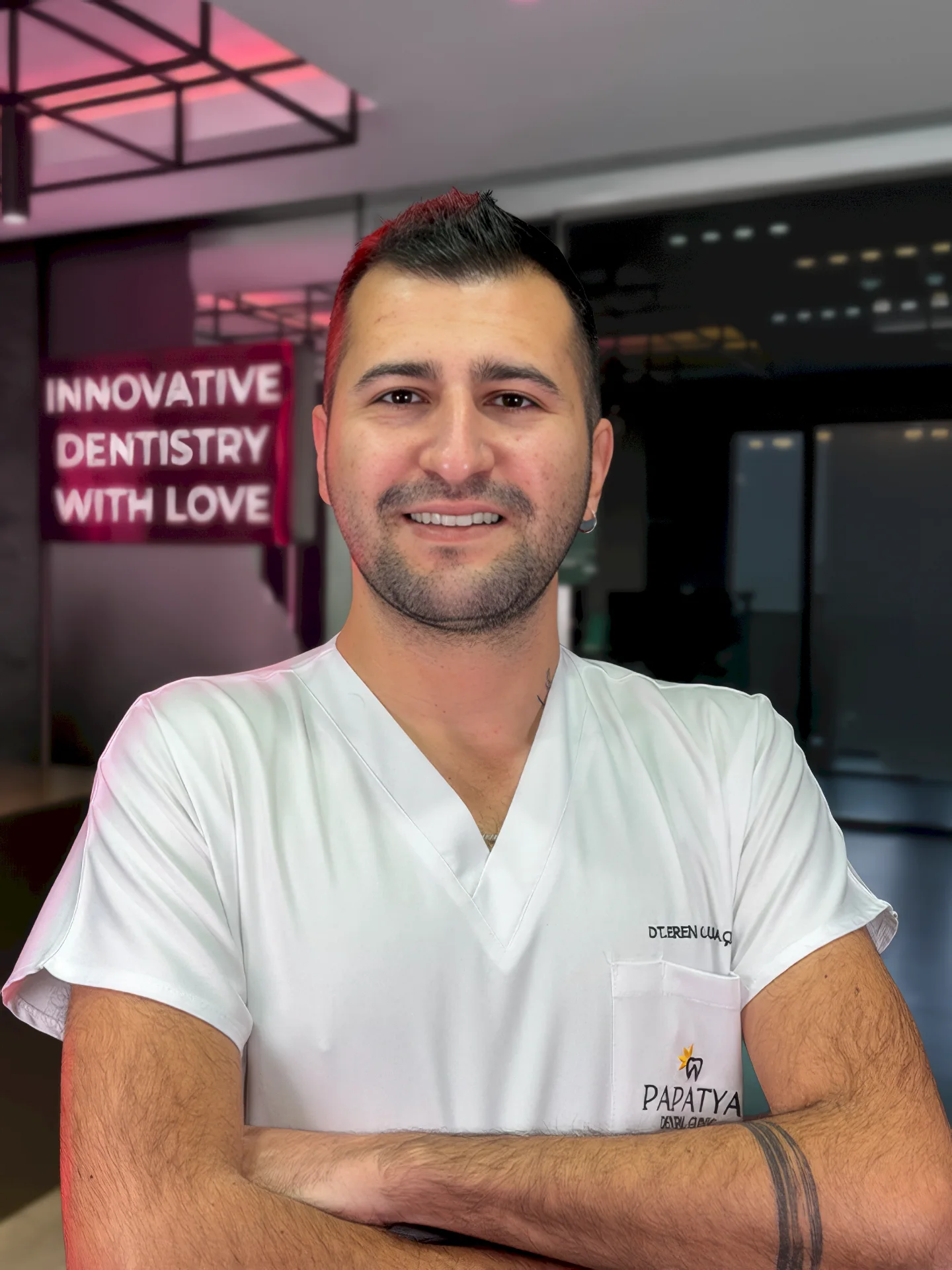
Eren Koluaçık
Dentist, Aesthetic Dentistry
View doctor profileLast medical review: 10 August 2026