


About Direct Pulp Capping
Direct pulp capping is a conservative treatment approach used in certain cases where the dental pulp becomes exposed during deep caries removal or trauma. Its main aim is to protect the pulp, support its healing, and preserve the vitality of the tooth as much as possible.
During the procedure, a biocompatible protective material is placed over the exposed area of the pulp, and the tooth is sealed with a restoration. This is intended to reduce the risk of bacteria reaching the pulp tissue and to help preserve the tooth’s natural structure.
This approach is considered by evaluating the size of the pulp exposure, bleeding control, the condition of the caries, symptoms in the tooth, and findings around the root. Since not every pulp exposure may be suitable for direct capping, the decision is made after an examination and any necessary imaging.
After treatment, the tooth’s symptoms and pulp vitality may be monitored at regular intervals. Findings such as pain, prolonged sensitivity to hot or cold, or discomfort when biting may require the tooth to be reevaluated.
Conservative approach
Under suitable conditions, direct pulp capping aims to protect the pulp tissue and maintain the vitality of the tooth.
When is it considered?
It may be considered when the pulp is exposed to a limited extent as a result of deep caries removal or trauma.
Scope of the procedure
The exposed pulp area is covered with a protective material, followed by a restoration intended to support the tooth’s seal.
Individualized decision
The tooth’s symptoms, the condition of the pulp, the extent of the caries, and imaging findings affect the choice of treatment.
Importance of follow-up
Post-treatment clinical check-ups help monitor the tooth’s symptoms and vitality status.
Who May Be Suitable for Direct Pulp Capping?
When evaluating direct pulp capping, the pulp’s vitality, the cause and extent of the exposure, the symptoms in the tooth, caries control, and the clinical and radiographic appearance of the tissues around the root are considered together.
Teeth with limited pulp exposure
It may be considered when the pulp has been exposed to a limited extent during deep caries removal or after trauma, and the possibility of preserving the tooth’s vitality is being assessed.
People without significant or persistent pain
It may be evaluated after examination in teeth without spontaneous, prolonged, or worsening nighttime pain, where the response to cold or hot stimuli is short-lived.
Cases with a restorable tooth structure
It may be an option when, after caries removal, the tooth can be adequately sealed with a leak-proof restoration and can continue to function in the mouth.
Young teeth with ongoing root development
In vital permanent teeth whose root development is not yet complete, preserving the pulp tissue may be specifically considered to allow root development to continue.
Evaluation of the pulp and symptoms
The nature of the pain, response to stimuli, controllability of bleeding, and pulp vitality tests are evaluated to gain an understanding of the pulp tissue’s healing potential.
Examination of the tooth and tissues around the root
Clinical examination and necessary imaging are used to investigate the extent of caries, restorability, root development, and signs of infection or damage around the root.
Suspected irreversible pulp damage
If there is spontaneous or prolonged pain, significant nighttime pain, or unfavorable test findings, the condition of the pulp is assessed in detail first; different treatments may be needed.
Infection or difficulty achieving a leak-proof seal
If there are signs of infection around the root, caries cannot be adequately controlled, or the tooth cannot be reliably restored, the procedure may be postponed or an alternative approach may be planned.
Possible Risks of Direct Pulp Capping
The outcome of direct pulp capping may vary depending on factors such as the initial condition of the pulp, the extent of the decay or trauma, bleeding control, and the seal of the restoration. Regular evaluation after treatment helps detect potential problems at an early stage.
Temporary sensitivity and discomfort
Short-term sensitivity to heat, cold, or pressure may occur in the tooth after the procedure. This may be related to a temporary response of the pulp to the treatment; however, sensitivity that persists or worsens, or develops into spontaneous pain, may require reassessment.
Failure of the pulp to heal
Despite the application of a protective material, the pulp tissue may not always heal or retain its vitality. Persistent symptoms may occur, particularly when the initial inflammation or bacterial involvement is more advanced than expected.
Need for root canal treatment
Root canal treatment may be necessary if the pulp does not heal or becomes inflamed later. This need means that direct pulp capping alone was not sufficient and is assessed based on symptoms and clinical findings during follow-up.
Leakage at the restoration margin
If the filling or other restoration on the tooth does not provide an adequate seal, bacteria may reach the pulp area again. Fracture or wear of the restoration, or deterioration of its marginal fit, may adversely affect the long-term course of the treatment.
Pain or changes in the tissues around the root tip
In some cases, spontaneous pain, sensitivity when biting, or findings in the tissues around the root may develop after the procedure. Since these symptoms may suggest that the pulpal problem is progressing, they should be evaluated by a dentist without delay.
How does direct pulp capping proceed?
The aim of direct pulp capping is to appropriately protect exposed pulp tissue and restore the tooth with a fluid-tight seal. The stages of the procedure may vary depending on the tooth’s clinical condition, the characteristics of the pulp exposure, and the extent of the planned restoration.
- 1
Clinical evaluation and planning
The dentist evaluates the tooth’s symptoms, the effects of decay or trauma, and the condition of the surrounding tissues. Together with any necessary imaging, the protective approach and restoration plan are determined.
- 2
Removal of decayed or damaged tissue
Decayed, fractured, or potentially infected tissue is carefully removed from the tooth. At this stage, the appearance of the area where the pulp was exposed and whether the bleeding can be controlled are reassessed.
- 3
Protection of the pulp area
When suitable conditions are present, the exposed pulp is covered with a biocompatible protective material. The material is intended to help create a protective barrier between the pulp and the external environment and support conditions for healing.
- 4
Sealing restoration of the tooth
A restorative procedure is performed over the protective material to help reduce bacterial entry. Depending on the structure the tooth has lost and the scope of treatment, a filling or another restorative solution may be planned.
- 5
Follow-up and monitoring of symptoms
After treatment, the tooth is monitored for pain, sensitivity to hot and cold, and its condition during biting. At follow-up visits, clinical findings and, when necessary, imaging are assessed to monitor pulp vitality and the condition of the restoration.
Alternative Approaches to Direct Pulp Capping
The approach considered instead of direct pulp capping is determined by evaluating the vitality of the pulp tissue, signs of inflammation, the cause of the exposure, and whether the tooth can be restored. The appropriate option may vary according to clinical examination and imaging findings.
Partial Pulpotomy
This involves the controlled removal of the superficial or affected portion of the pulp and covering the remaining healthy pulp tissue with a protective material. It may be considered in some vital teeth where the pulp exposure is more extensive or the superficial tissue may be affected.
Root Canal Treatment
When the pulp tissue may be irreversibly affected, this involves removing and disinfecting the tissue inside the canal and filling the root canals. It may be considered in the presence of prolonged pain, clear signs of inflammation, or changes around the root.
Indirect Pulp Capping
In teeth where the pulp has not been exposed but the decay is very deep, this involves leaving a selected portion of the decayed tissue rather than removing all of it near the pulp, and sealing the area with a protective material. It may be considered when pulp exposure has not yet occurred.
Evaluation and Follow-up Technologies in Direct Pulp Capping
In direct pulp capping, imaging, pulp vitality tests, and restorative recording methods may help assess the current condition of the tooth, plan treatment, and compare findings during subsequent follow-up visits. These tools are considered together with the clinician’s examination findings.
Periapical radiographs may be used to assess the depth of caries and the structures surrounding the root. Methods such as the cold test or electric pulp test can provide information about the pulp’s response to a stimulus; they do not establish a definitive diagnosis on their own.
During the procedure, magnification and adequate illumination may support a more detailed examination of the pulp exposure and the surrounding dental tissues. The recording and evaluation methods used are selected according to the tooth’s symptoms, clinical findings, and follow-up requirements.
Periapical Radiographic Evaluation
Helps provide information about the tooth roots, the surrounding bone tissue, and the relationship between the caries and the pulp. It may be used to compare findings before treatment and during follow-up.
Pulp Vitality Tests
Cold application or an electric pulp test may help evaluate the pulp’s response to a stimulus. The results are interpreted together with the patient’s complaints and the clinical examination.
Magnification and Illumination
By supporting a more detailed view of the treatment area, it may contribute to the clinical evaluation of tissues affected by caries, the pulp exposure, and the restoration margins.
Assessment of the Sealed Restoration
The marginal adaptation of the restoration and its contact relationship with the tooth may be examined clinically. When necessary, radiographic evaluation helps monitor possible changes around the restoration.
Follow-up Records and Comparison
At follow-up appointments, symptoms, percussion findings, vitality tests, and appropriate imaging records may be compared with previous data. This assessment supports determining whether the tooth needs to be re-examined.
Recovery After Direct Pulp Capping
Recovery after direct pulp capping may vary depending on the pulp’s initial condition, the seal of the restoration, and how the tooth responds to treatment. The care and follow-up plan recommended by your dentist takes priority; new or changing symptoms may require clinical evaluation.
- 1
The initial period after the procedure
Short-term sensitivity or mild discomfort may occur in the treated tooth. These effects, particularly noticeable with heat, cold, or pressure, may decrease over time. It is important to monitor how the tooth feels and follow your dentist’s recommendations.
- 2
Adapting to the restoration and chewing
After the new restoration, you may notice the tooth’s contact and your comfort while chewing. If the tooth feels distinctly high when biting, discomfort persists, or sensitivity is gradually increasing, the restoration and tooth should be clinically evaluated.
- 3
Monitoring the pulp’s response
The pulp’s healing response beneath the protective material is assessed over time. A reduction in symptoms may be a positive sign; however, the tooth’s vitality and the condition around the root are monitored by your dentist through examination and imaging when necessary.
- 4
Long-term follow-up approach
Follow-up may be recommended after pulp capping even if the tooth feels problem-free for a long time. The timing and scope of check-ups are determined according to individual findings. Share any newly developing pain, sensitivity, or changes in chewing with your clinic without waiting.
Use the tooth gently
Avoid breaking hard foods with the treated tooth or applying unusually high force. Continue your daily oral care gently, keeping the area around the restoration clean.
Monitor changes in symptoms
Observe how long sensitivity to hot or cold lasts, any spontaneous pain, and your comfort when biting. Sharing this information with your dentist when needed can assist the evaluation.
If pain is increasing or lasting
Contact your clinic if you have spontaneous pain, pain that is becoming increasingly severe, pain that wakes you at night, or pain that continues for a long time after heat or cold.
If there is marked discomfort when biting
Contact your clinic without delay if pain occurs when pressure is applied to the tooth, the tooth feels too high, or swelling or tenderness develops around the tooth.
Factors affecting the cost of direct pulp capping
The cost of direct pulp capping varies depending on the clinical condition of the tooth and the scope of the preventive and restorative procedures to be performed. The exact fee is determined after an examination, any necessary imaging, and personalized planning aimed at preserving the vitality of the tooth.
Examination and imaging requirements
A clinical examination and appropriate imaging methods may be needed to assess the condition of the pulp, the depth of the decay, and findings around the root. The scope of these assessments may affect the planning-related cost.
Cause and clinical condition of the pulp exposure
Whether the pulp was exposed during caries removal or as a result of trauma, as well as the size of the exposure, bleeding control, and the symptoms in the tooth, can affect whether the treatment is feasible. A more detailed assessment or a different treatment approach may be required.
Protective material and scope of application
The type of biocompatible material selected to cover the exposed pulp area and the clinical requirements of the application may affect the cost. Material selection is based on the current condition of the tooth and the intended protective approach.
Extent of the sealing restoration
The scope of the restoration intended to help protect the tooth against bacteria after capping may vary according to the amount of tooth tissue lost. Whether the restoration covers a small or more extensive area affects the overall scope of the procedure.
Follow-up and monitoring assessments
Follow-up assessments may be scheduled to monitor the tooth’s symptoms and pulp vitality after treatment. The number and content of follow-up visits may vary according to the clinical findings during the tooth’s healing process.
Temporary price estimate
€100 – €450
This estimate is not the clinic’s final price quote; the actual fee will be clarified after the examination and personalized treatment plan have been completed.
Before / After

Frequently Asked Questions About Direct Pulp Capping
What is the purpose of direct pulp capping?
The purpose of direct pulp capping is to preserve the vitality of the tooth as much as possible by protecting the pulp tissue when appropriate. The exposed area of the pulp is covered with a protective material, and the tooth is sealed with a restoration that helps reduce bacterial penetration.
Can every pulp exposure be treated with direct pulp capping?
No, not every pulp exposure is suitable for direct pulp capping. The size of the exposure, whether bleeding can be controlled, the condition of the decay, existing symptoms, and findings around the root are evaluated together based on the examination and imaging.
How is direct pulp capping performed?
During the procedure, a biocompatible protective material is applied to the exposed part of the pulp, and the tooth is then sealed with a restoration. The details of the procedure may vary depending on the extent of the decay, the condition of the pulp, and the clinical findings obtained during treatment.
Can sensitivity or pain occur after treatment?
Some symptoms may be observed after treatment; however, prolonged sensitivity to hot or cold, pain, or discomfort when biting may require reassessment. Since the significance of these complaints varies depending on the individual and the clinical condition of the tooth, it is important to consult your dentist.
Is follow-up necessary after direct pulp capping?
Yes, follow-up appointments help monitor the tooth’s symptoms and pulp vitality. The timing and scope of follow-up are planned according to the findings before treatment, the clinical condition after the procedure, and your dentist’s assessment.
Does this treatment always keep the tooth vital?
No, although direct pulp capping is an approach intended to preserve the vitality of the tooth, the outcome is not the same in every case. The initial condition of the pulp, the risk of bacterial involvement, the seal of the restoration, and follow-up findings may affect the course of treatment.
How should I protect my tooth after direct pulp capping?
It is important to protect the tooth with good oral hygiene and to attend the recommended follow-up appointments. If you notice new or increasing pain, prolonged sensitivity, or discomfort when biting, you should consult your dentist to have the tooth evaluated.
Medical sources
View medical sources
Medically reviewed by
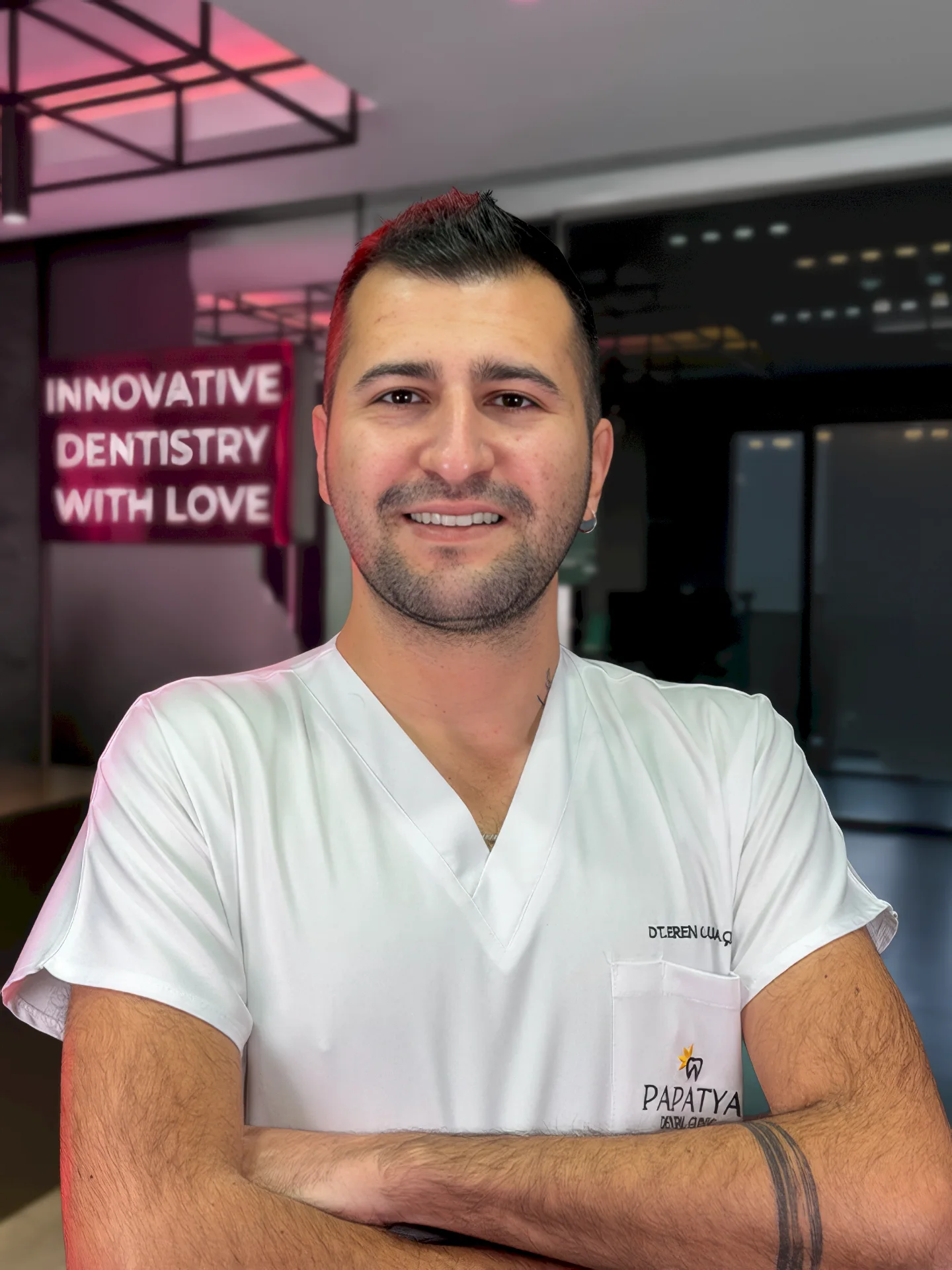
Eren Koluaçık
Dentist, Aesthetic Dentistry
View doctor profile
Nilufar Tulanova Şener
Dentist, Aesthetic Dentistry
View doctor profile
Zafer Sarı
Clinical Strategy Consultant - Orthodontist
View doctor profileLast medical review: 10 August 2026