


Preventive Measures Against Tooth Decay in Children
Preventive dentistry for children aims to reduce the risk of decay before it develops and to monitor oral health regularly. The goal is not only to treat existing problems, but also to establish habits that support the healthy development of the teeth.
This approach may include dental examinations, decay-risk assessment, instruction in proper brushing, dietary advice, and preventive procedures when considered necessary. Primary teeth are also important for chewing and speech, and for guiding the permanent teeth.
Preventive procedures may be considered particularly for children with a history of decay, difficulty brushing, frequent consumption of sugary foods, or newly erupted teeth. However, needs vary according to age, oral hygiene, dietary habits, and the condition of the teeth.
Planning is based on the child’s examination findings and level of cooperation. Regular check-ups help detect changes in decay risk at an early stage and update the care steps that families can implement at home.
Primary goal
To reduce the risk of decay and help keep children’s teeth healthy in the long term.
Importance of primary teeth
Primary teeth support chewing and speech and also preserve space for the eruption of permanent teeth.
Preventive approach
It may include examinations, oral hygiene education, dietary assessment, and appropriate preventive procedures.
Risk assessment
A history of decay, brushing habits, dietary patterns, and tooth structure are assessed together.
Individualized planning
Because every child’s age, development, and intraoral findings differ, procedures are determined after the examination.
Who May Be Suitable for Caries-Preventive Treatments in Children?
The need for preventive treatments is determined by considering the child’s caries risk, the eruption and developmental status of the teeth, daily oral care, eating habits, and examination findings together.
Children with a history of caries
In children who have previously experienced caries, fillings, or early tooth loss, preventive care options aimed at preventing new caries may be assessed during an examination.
Children with newly erupted permanent teeth
Preventive approaches may be planned particularly for newly erupted permanent molars whose chewing surfaces may not yet be fully easy to clean.
Children who have difficulty maintaining regular oral care
For children whose brushing skills are still developing or who need parental support during oral care, risk-reducing recommendations and treatments may be considered.
Children who frequently consume sugary snacks
For children who frequently consume sugary foods or drinks during the day, preventive dentistry approaches that accompany dietary adjustments may be considered.
Caries risk and intraoral findings
Existing initial caries lesions, previous caries experience, plaque accumulation, tooth surface structure, and eruption status are examined together during the examination.
Care habits and cooperation
Brushing technique and frequency, parental support, eating habits, and the child’s ability to cooperate with examinations and treatments are assessed.
Intraoral problems requiring priority treatment
If there is a condition requiring urgent attention, such as pain, advanced caries, infection, or trauma, it may be necessary to manage that problem before preventive treatments.
When cooperation with examination or treatment is still limited
If the child’s anxiety or difficulty cooperating makes it hard to complete the treatment safely, an acclimatization period, shorter check-ups, or different approaches may be planned.
Possible Risks of Preventive Dental Procedures in Children
The risks of preventive dental procedures may vary depending on the type of procedure, the child’s age and cooperation, oral findings, and the materials used. During the examination, the benefits and possible limitations are assessed together.
Stomach Discomfort Due to Swallowing Fluoride
During applications such as fluoride varnish or gel, young children may swallow some of the material. This may sometimes cause temporary nausea or abdominal discomfort; following the recommendations after the application can help reduce the amount swallowed.
Sensitivity or Allergy to Materials
Rarely, fluoride products, fissure sealants, or other preventive materials may cause signs of sensitivity around or inside the mouth. Known allergies and any previous reactions should be shared with the dentist before the procedure.
Wear or Detachment of the Fissure Sealant
Fissure sealants applied to the chewing surfaces of teeth may wear down, crack, or partially detach from the tooth surface over time. In this case, monitoring, repair, or reapplication may be necessary to maintain protection.
Temporary Discomfort During the Procedure
Some children may experience short-term sensitivity, a gagging sensation, or restlessness during dental cleaning, oral assessments carried out while providing toothbrushing instruction, or material applications. The child’s cooperation and the scope of the procedure may affect this.
Development of Tooth Decay Despite Preventive Treatment
Although preventive procedures may help reduce the risk of tooth decay, this does not mean that decay will be completely prevented. New cavities may develop due to inadequate brushing, frequent consumption of sugary foods or drinks, the stage of tooth eruption, and individual caries risk.
How do preventive measures to protect children from tooth decay proceed?
The preventive approach begins with an assessment of the child’s oral health and continues with planning that supports daily care habits. Necessary preventive procedures are performed based on the examination findings, and oral health is monitored regularly.
- 1
Oral and dental examination
The teeth, gums and developing oral structures are assessed. Existing signs of tooth decay, plaque accumulation, newly erupted teeth and areas where cleaning is difficult are reviewed.
- 2
Determining the risk of tooth decay
The child’s oral care habits, diet, previous experiences with tooth decay and the structural characteristics of the teeth are assessed together. This evaluation shapes the scope of the monitoring and prevention plan.
- 3
Supporting home-care habits
Brushing methods suited to the child’s age and abilities are shared with the family. Toothbrush use, parental support and points to consider in daily oral care are explained.
- 4
Reviewing the diet
The frequency of consuming sugary foods and drinks, as well as snacking habits, is assessed. Suggestions that may help reduce the teeth’s frequent exposure to acid and sugar during the day are discussed.
- 5
Planning appropriate preventive procedures
Depending on the examination and risk assessment, procedures aimed at protecting the tooth surfaces may be considered. The necessity and scope of the procedure are determined based on the condition of the child’s teeth and the child’s ability to cooperate.
- 6
Regular follow-up and updating the plan
At follow-up visits, tooth eruption, oral hygiene and the risk of tooth decay are reassessed. Based on the findings, home-care recommendations and the preventive treatment plan may be updated over time.
Alternative Approaches to Preventing Tooth Decay in Children
The approach used to prevent tooth decay varies according to the child’s risk of decay, the eruption status of their teeth, oral care habits, and examination findings. While strengthening home care may be sufficient for some children, professional preventive treatments may be considered in certain cases.
Improving Home Oral Care and Dietary Habits
Establishing regular, age-appropriate brushing habits, providing parental support, and limiting the consumption of sugary foods and drinks are basic preventive approaches. These may be considered for children with a low risk of decay or who need additional support alongside professional treatments.
Fluoride Preventive Treatments
Fluoride treatments aimed at supporting the resistance of tooth surfaces to decay can be performed in a clinical setting. They may be considered after an examination, particularly for children with a history of tooth decay, newly erupted teeth, or difficulty maintaining oral hygiene.
Dental Sealant Application
This involves covering the deep grooves on the chewing surfaces of molars with a protective material. It may be applied after evaluating the tooth’s surface structure and eruption status, with the aim of helping reduce the risk of decay in areas that can be difficult for a toothbrush to reach.
Regular Checkups and Risk Monitoring
This involves periodically evaluating tooth eruption, oral hygiene, dietary habits, and changes in the risk of tooth decay. It may form part of a preventive plan to identify new signs of decay early and update home care recommendations.
Assessment and Planning in Preventive Dentistry for Children
In preventive dentistry, technologies can be used to obtain records that help monitor tooth surfaces, areas between the teeth, and development. Visual examination, imaging when necessary, and clinical photographs support more consistent assessment of caries risk and care needs.
Digital images or intraoral records may help the dentist compare the fissures of newly erupted teeth, the condition of restorations, and changes observed during follow-up. These tools do not replace an examination; the need for their use is determined by the child’s age, cooperation, caries risk, and clinical findings.
Clinical examination and caries risk recording
Plaque accumulation on the teeth, early surface changes, previous caries, and brushing habits are evaluated together to guide the preventive care plan.
Dental radiographs when necessary
Imaging may be planned according to clinical need to provide additional information about areas between the teeth that cannot be assessed visually, tooth development, and the surroundings of existing treatments.
Intraoral photographs and digital records
The eruption status of the teeth, areas where plaque is visible, or changes on specific surfaces can be recorded. These records support comparison of observations during subsequent check-ups.
Fissure sealant planning
The deep grooves on the chewing surfaces of newly erupted molars and the child’s caries risk are assessed. This examination helps determine whether fissure sealants are needed.
Updating follow-up and care recommendations
Check-up findings are considered together with brushing technique, use of fluoride-containing products, and dietary habits. This allows the home-care recommendations given to the family to be reviewed according to changing needs.
Recovery After Preventive Dental Procedures
The period after preventive dental procedures may vary depending on the child’s age, the scope of the procedure, the condition inside the mouth, and the child’s cooperation. The recommendations communicated to the family by the dentist take priority. If an unexpected symptom or concern arises, clinical evaluation may be necessary.
- 1
The Initial Period After the Procedure
After an examination or preventive procedure, a child may describe a different sensation in the mouth, short-term sensitivity, or discomfort. Most children return comfortably to their daily routine; however, any specific recommendations given for the procedure should be followed.
- 2
Returning to Daily Oral Care
Toothbrushing should continue with parental support appropriate to the child’s age and abilities. Cleaning the chewing surfaces of the back teeth is particularly important. If the dentist has recommended a different care approach, that recommendation should be followed.
- 3
Supporting Eating Habits
Reducing the frequency of consuming sugary foods and drinks during the day, supporting balanced meals and water intake may help control the risk of tooth decay. It is important for the family to apply the clinic’s dietary recommendations regularly.
- 4
Monitoring Oral Health
Newly erupted teeth, areas that are difficult to brush, and changing habits may affect the risk of tooth decay. The dentist plans the need for follow-up according to the child’s examination findings and risk level; home-care steps are adjusted again when necessary.
Support Toothbrushing
Support the child’s toothbrushing skills in an age-appropriate way and observe the cleaning of the back teeth that are particularly difficult to reach. Give priority to the care method recommended by the dentist.
Maintain Regular Eating and Drinking Habits
Try to reduce frequent consumption of sugary snacks and drinks. Regular meals and water intake may help maintain habits that support oral health.
Increasing Pain or Sensitivity
Contact the clinic if the child has increasing pain in a tooth or the gums, marked sensitivity, or discomfort that makes eating and toothbrushing difficult.
Swelling or an Unusual Appearance
Request clinical evaluation if swelling of the gums, a sore in the mouth, unexplained bleeding, a bad odor, or a newly noticed marked color change in a tooth occurs.
Factors affecting the cost of preventive dental care for children
The fee for preventive dental care for children varies according to the caries risk identified during the examination, the scope of the preventive procedures to be performed, and follow-up requirements. The exact cost is determined after an intraoral assessment and individualized planning for the child.
Scope of the examination and caries risk assessment
The stage of tooth eruption, existing signs of caries, previous caries history, oral hygiene, and dietary habits are assessed together. The scope of this evaluation may affect which preventive steps may be needed and the overall treatment planning.
Type of preventive procedures to be performed
The dentist may consider different procedures to protect the tooth surfaces according to the child’s needs. The clinical stages, materials used, and number of teeth treated differ for each procedure, so the scope of the cost may vary.
Number of teeth and surfaces to be protected
Whether the preventive procedure is performed on a single tooth or on several newly erupted molars determines the scope of treatment. The number of teeth and the condition of the surfaces requiring treatment may affect clinical time and material use.
Oral hygiene education and guidance for the family
Care instruction appropriate to the child’s age, manual dexterity, and brushing habits may be planned. The detail of dietary and home-care guidance provided to the family may affect the clinical scope of the preventive approach beyond the examination.
Need for check-ups and risk monitoring
Regular monitoring may be recommended for children with a high risk of caries or whose new teeth are erupting. The frequency of check-ups may vary according to changes in intraoral findings over time and whether the preventive plan needs to be updated.
Temporary price estimate
€0 – €0
The final cost is confirmed by the clinic once your examination and individual treatment plan are complete. No prices are published on this page.
Before / After

FAQ: Preventing Tooth Decay in Children
What is the aim of preventive dentistry for children?
The aim is to reduce the risk of tooth decay and support healthy tooth development. Regular check-ups, establishing proper oral care habits, and assessing dietary patterns are important parts of this approach.
If baby teeth develop cavities, is treatment or monitoring still necessary?
Yes, regular monitoring of baby teeth is important. These teeth contribute to chewing and speech and also help preserve space for the eruption of permanent teeth; the appropriate approach is determined based on the examination findings.
For which children may preventive treatments be considered?
Preventive treatments may be considered for children with a history of cavities, those who have difficulty brushing, frequently consume sugary foods, or have newly erupted teeth. However, the need varies according to the child’s age, oral hygiene, and dental condition.
What can be done as part of preventive dentistry?
Dental check-ups, cavity-risk assessment, toothbrushing instruction, and dietary advice may be provided. If considered necessary after the examination, preventive treatments suited to the child’s needs may also be planned.
Does my child’s toothbrushing habit affect the risk of cavities?
Yes, regular and proper brushing helps reduce the risk of cavities. Toothbrushing instruction provided by the dentist in a way suited to the child’s age and cooperation can support a stronger home-care routine.
Does diet affect tooth decay in children?
Yes, frequent consumption of sugary foods and drinks may increase the risk of cavities. By assessing dietary habits, the family can be given practical recommendations suited to the child’s daily routine.
Why are regular dental check-ups important for children?
Regular check-ups help detect changes in cavity risk at an early stage. During these visits, oral care, dietary habits, and any preventive approaches that may be needed are reassessed according to the child’s current condition.
Medical sources
View medical sources
Medically reviewed by
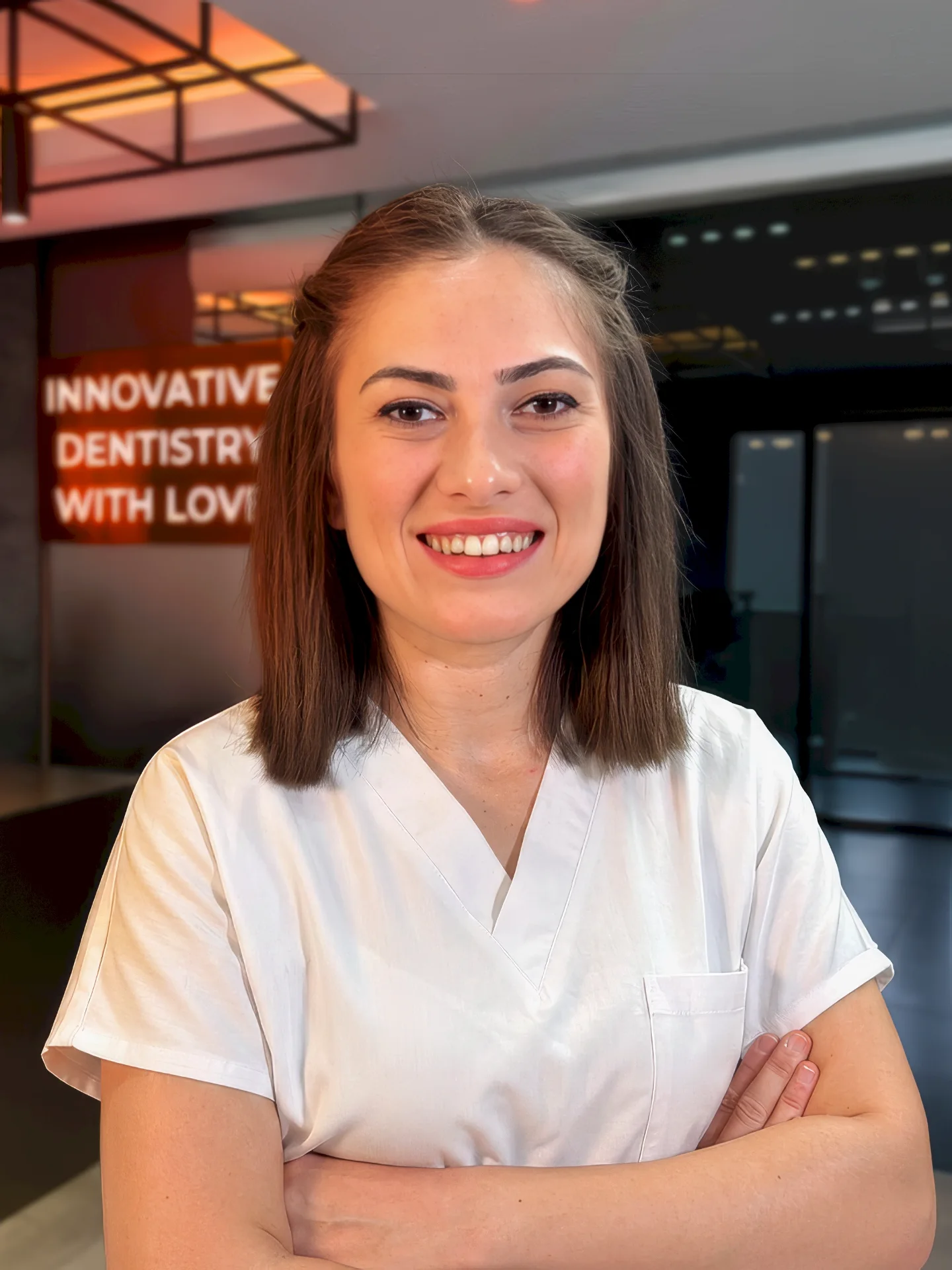
Canan Kale
Specialist in Paediatric Dentistry
View doctor profile
Nilufar Tulanova Şener
Dentist, Aesthetic Dentistry
View doctor profile
Ahmet Metin Bal
Chief Dentist
View doctor profileLast medical review: 12 August 2026