


About Anterior Tooth Aesthetics
Anterior tooth aesthetics encompasses procedures that assess the shape, color, size, or minor surface irregularities of teeth visible when smiling. The aim is to help achieve a more balanced appearance while considering the harmony of the teeth with the face and lips.
This approach may be considered for minor chips, wear, spaces, differences in color, irregular edges, or proportion discrepancies between the teeth. The appropriate method is determined by evaluating the condition of the existing tooth structure together with aesthetic expectations.
During planning, factors such as tooth alignment, gum level, bite relationship, and smile line are taken into account. The same concern about appearance may arise from different causes in different people, which can change the scope of the approach to be used.
Assessing oral and dental health before aesthetic procedures is important. If there is decay, a gum problem, a crack, or a bite-related issue, it may need to be addressed before the aesthetic procedure or as part of the treatment planning.
Aim
To support a more harmonious appearance of the front teeth in terms of color, shape, and proportions.
Conditions that may be assessed
Minor chips, wear, spaces, color differences, and irregular tooth edges may be addressed.
What is assessed during planning?
Tooth structure, gum appearance, smile line, bite, and overall harmony with the face are assessed.
Personalized approach
The existing condition of the teeth and aesthetic expectations determine the scope of the methods that may be used.
Importance of oral health
Conditions such as decay or gum problems need to be assessed before aesthetic procedures.
Who May Be Suitable for Front Tooth Aesthetics?
When evaluating front tooth aesthetics, the preservation of tooth structure, oral health, bite relationship, gum appearance, and the person’s aesthetic expectations are considered together. The applicable approach is determined after a detailed examination.
Those with minor shape and edge irregularities
For people with small chips, wear, irregular edges, or differences in tooth size in the front teeth, aesthetic reshaping options may be considered if the condition of the tooth structure is suitable.
Those with limited spaces between the teeth
For people with small spaces in the front region, an aesthetic approach may be planned after examining the cause of the space, the position of the teeth, and gum support.
Those bothered by color discrepancies
For people whose front teeth have discoloration or a difference in shade compared with the surrounding teeth, various aesthetic options may be considered depending on the source of the color change.
Those who want to balance their smile proportions
For people who perceive an imbalance in the appearance of their smile due to the length, shape, or proportions of their teeth, planning may be carried out with consideration for harmony with the face and lips.
Tooth structure and structural condition
Existing fillings, wear, cracks, fractures, and the amount of enamel are examined. These findings may affect whether a conservative approach is possible and how extensive it can be.
Bite and functional loads
The contact between the upper and lower teeth, the loads generated during chewing, and signs of teeth clenching are evaluated. If necessary, aesthetic planning is shaped together with functional needs.
Active oral health problems
When active decay, gum inflammation, or an infection requiring treatment is present, aesthetic reshaping is generally reassessed after these problems have been brought under control.
Uncontrolled excessive tooth loads
If there is pronounced teeth clenching, grinding, or evidence of a traumatic bite, the durability of the aesthetic reshaping may be affected. Managing these loads first may be necessary.
Potential Risks of Anterior Tooth Aesthetics
The risks of anterior tooth aesthetic treatments may vary depending on the method selected, the scope of the procedure, the health of the teeth and gums, the occlusal relationship, and oral care habits. Assessing existing conditions during examination and planning can help reduce potential effects.
Temporary sensitivity
Temporary sensitivity to hot, cold, or sweet foods may occur after tooth-surface reshaping, whitening, or restorative treatment. The severity of the sensitivity may vary depending on the type of treatment and the tooth’s existing structure.
Irreversible changes to tooth structure
In some aesthetic treatments, a limited amount of tooth structure may be reshaped to create space for or give shape to a restoration. Such changes may be irreversible; the restoration may need to be replaced or maintained over time.
Mismatch in color and appearance
The color, gloss, shape, or harmony of the restoration with the surrounding teeth may be perceived differently from the initial plan. Lighting conditions, changes in the color of natural teeth, and aesthetic expectations may affect this assessment; additional adjustment may be required.
Fracture or detachment of the restoration
Composite, porcelain, or similar aesthetic restorations may crack, fracture, or detach from the tooth surface due to biting hard foods, teeth clenching, trauma, or intense contacts during occlusion. Repair or replacement may be needed.
Gum irritation and margin-related problems
The relationship between the restoration margins and the gums, oral hygiene, and existing gum health are important. When the fit is inadequate or plaque accumulation increases, gum redness, bleeding, or irritation may occur.
Discomfort or excessive loading during occlusion
When the shape or length of the front teeth is changed, occlusal contacts may be affected. Since some people may experience discomfort when biting, excessive loading on certain teeth, or wear of the restoration, the occlusion should be evaluated.
How does the process of anterior tooth aesthetics proceed?
The anterior tooth aesthetics process begins with an intraoral evaluation and smile analysis, followed by planning the appropriate treatment. The procedures to be performed may vary depending on the current structure of the teeth, aesthetic goals, and the scope of the necessary preparations.
- 1
Oral and smile evaluation
The dentist examines the shape, colour, surface structure, and proportions of the anterior teeth in relation to one another. The appearance of the gums, the smile line, and the occlusal relationship are also evaluated to identify the factors affecting the aesthetic appearance.
- 2
Addressing necessary oral health procedures
If there is decay, an existing restoration, gum sensitivity, or structural problems that could affect the aesthetic treatment, how these will be managed is planned. Establishing a healthy and stable oral environment forms the basis for subsequent procedures.
- 3
Creating the aesthetic plan
The approach to be followed to improve the appearance of the teeth is determined. Colour, form, edge arrangement, and harmony between the teeth are considered together; the natural tooth structure that can be preserved is also taken into account during planning.
- 4
Implementing the planned aesthetic treatment
The necessary preparations are made on the tooth surfaces according to the selected method, and the planned aesthetic treatment is carried out. During the procedure, the harmony of the teeth with adjacent teeth, the gums, and the overall appearance of the smile is checked.
- 5
Harmony checks and care recommendations
After the procedure, the appearance, occlusion, and comfort in the mouth are reassessed. The oral care habits and check-up schedule recommended by the dentist help preserve the resulting appearance and monitor oral health.
Alternative Approaches in Anterior Tooth Aesthetics
The cause of aesthetic concerns involving the front teeth may be discoloration, alignment, loss of tooth structure, or the appearance of the gums. Therefore, options are determined after clinical evaluation by considering oral health, the bite relationship, the existing tooth structure, and the individual’s expectations together.
Professional tooth whitening
When color difference is the primary concern, whitening procedures aimed at lightening the natural color of the teeth may be considered. This approach does not change the shape or position of the teeth, or areas that are fractured or worn; therefore, it may be meaningful only in cases focused on color.
Orthodontic alignment
If the front teeth are crowded, spaced, or positioned differently, orthodontic treatment to correct their alignment may be considered. It aims to improve appearance by changing the position of the teeth, without adding to or reducing tooth structure for aesthetic purposes.
Composite bonding
For small fractures, irregular edges, limited spacing, or differences in shape, the teeth may be reshaped using a tooth-colored composite material. The scope of the procedure is planned by considering the condition of the tooth surface, color matching, and the forces applied to the area during biting.
Porcelain laminate or veneer
For more pronounced concerns involving color, shape, size, or surface, porcelain laminate or veneer options may be considered. A laminate is generally a thin restoration applied to the front surface of the tooth, whereas a veneer covers the tooth more extensively, with the required preparation varying according to the condition of the tooth.
Digital Records and Smile Planning in Anterior Dental Aesthetics
In anterior dental aesthetics planning, photographs, digital scans, measurements and, when necessary, radiographic images can help assess the shape and alignment of the teeth, the level of the gums and the relationship between the upper and lower teeth during closure. These records are used to examine the current situation in greater detail and discuss the available options.
Preliminary designs created on digital models may support relating planned changes in tooth shape or proportions to their position in the mouth. However, these designs are an initial assessment tool; natural tooth structure, gum health and functional requirements are addressed separately during a clinical examination.
The records and planning methods used are not the same for everyone. The need for imaging or digital measurements is determined according to aesthetic expectations, existing restorations, the condition of the teeth and the scope of the proposed procedure.
Intraoral Photographs
They can help document the smile line, the appearance of the lips, the colour and surface characteristics of the teeth, and the visual harmony between the two sides.
Digital Intraoral Scanning
It helps create a three-dimensional model of the teeth and surrounding gum tissue, supporting the examination of shape, spacing and edge relationships during planning.
Colour Assessment Records
They can help observe the existing tooth colour under different lighting conditions and, when necessary, plan the colour matching of the aesthetic material to be used with the surrounding teeth.
Diagnostic Model and Mock-up
They can support the assessment of planned changes in form on a model or through a temporary preview, in terms of tooth length, contour and smile line.
Radiographic Examination When Necessary
It can help assess structures that cannot be seen directly in the mouth, such as the tooth root, the condition of existing fillings or restorations, and the bone level.
Recovery After Anterior Tooth Aesthetics
Recovery after anterior tooth aesthetic treatment may vary from person to person depending on the method used, the extent of the procedure, and the condition of the teeth and gum tissues. The dentist’s instructions provided specifically for you take priority; clinical assessment is important if anything unexpected occurs.
- 1
Adjustment period for the mouth and teeth in the first days
Temporary sensitivity in the teeth or gums, mild discomfort, or sensitivity to hot and cold stimuli may occur after the procedure. The adjustment to the new appearance and sensation of the treatment area may progress differently for each person.
- 2
Settling of the gums and surfaces
Short-term sensitivity or mild redness may occur in procedures involving contact with the gums. Paying careful attention to oral hygiene helps support tissue comfort. The course and duration of symptoms may vary depending on the extent of the treatment.
- 3
Bite and daily-use adjustment
You gradually adjust to the new tooth surfaces while speaking, smiling, and chewing. If a feeling of height, premature contact, or discomfort continues when the teeth meet, contact your clinic without attempting to intervene yourself.
- 4
Check-ups and long-term care
The appearance of aesthetic restorations and the condition of the oral tissues are assessed during check-ups considered appropriate by the dentist. Regular oral care and recommended follow-ups help maintain the health of the teeth and gums.
Gentle and regular oral care
Clean your teeth and gumline gently; keep between the teeth clean using the method your dentist considers appropriate. Avoid hard or abrasive practices.
Protecting the anterior teeth from strenuous use
Avoid habits such as breaking hard foods with your front teeth, opening packages, or biting objects. These behaviours may place unnecessary stress on aesthetic restorations.
Increasing or persistent pain and sensitivity
Contact your clinic if the discomfort becomes more pronounced instead of decreasing, if sensitivity to hot or cold affects daily life, or if pain occurs while chewing.
Gum changes or surface problems
Contact the clinic without delay if you notice ongoing bleeding, marked swelling, discharge, an unpleasant taste or odour, or a crack, fracture, or displacement of the aesthetic material.
Factors Affecting the Cost of Front Tooth Aesthetics
The cost of front tooth aesthetics varies according to the desired appearance, the current condition of the teeth and the scope of the method to be applied. The exact fee is determined after an examination, an intraoral assessment and an individualized treatment plan.
Number of teeth to be treated
The scope of treatment depends on whether the aesthetic adjustment is planned for a single front tooth or for multiple teeth visible when smiling. The separate assessment of each tooth and the total procedures required may be decisive in determining the cost.
Preferred aesthetic approach
Different methods may be considered for conditions such as discoloration, minor shape irregularities, gaps or fractures. The nature of the area to be added to the tooth, reshaped on its surface or supported with a restoration may cause the cost to vary.
Existing tooth structure and surface condition
Findings such as wear, cracks, old restorations, discoloration or tissue loss may affect the plan for the aesthetic adjustment. The amount of sound tooth tissue to be preserved and the level of preparation required may change the scope of the procedure.
Assessment of the gums and smile line
The appearance of the front teeth is assessed together with the gum level and smile line. When a gum-related condition affects the aesthetic result, planning and any necessary additional approaches may influence the cost.
Occlusal relationship and functional needs
The way the teeth contact each other is assessed in terms of the durability of the planned aesthetic adjustment. If wear related to the bite or unsuitable contacts are identified, the plan and scope of the aesthetic treatment may change.
Oral health issues to be addressed beforehand
Cavities, gum problems or issues with existing restorations may be addressed before the aesthetic procedure or alongside treatment planning. These needs may change not only the aesthetic procedure but also the scope of the overall treatment.
Temporary price estimate
€300 – €6,000
This preliminary estimate is not the clinic’s definitive quotation; the actual fee will be determined after an examination and an individualized treatment plan.
Before / After

Frequently Asked Questions About Front Teeth Aesthetics
What is the primary purpose of front teeth aesthetics?
The purpose of front teeth aesthetics is to help the teeth visible when smiling appear more balanced in terms of color, shape, size, and proportions. During planning, not only the teeth but also the lips, facial structure, and smile line are evaluated together.
For which problems may front teeth aesthetics be considered?
It may be considered for small chips, wear, spaces between the teeth, color differences, and irregular edges. However, since different causes may underlie the same appearance-related issue, the approach is determined after an examination.
Is everyone suitable for front teeth aesthetic procedures?
Suitability varies according to each person’s dental and gum health, existing tooth structure, bite relationship, and expectations. Therefore, an intraoral evaluation is required before planning an aesthetic adjustment.
What factors are examined during planning?
Planning involves examining the alignment and size of the teeth, gum level, smile line, bite relationship, and overall harmony with the face. This assessment helps ensure that aesthetic goals are considered in balance with the current condition of the teeth.
Can an aesthetic procedure be performed when there is tooth decay or a gum problem?
If there is tooth decay, a gum problem, a crack, or bite-related issues, these may need to be addressed first or together with the aesthetic planning. The timing and scope of the procedure are determined according to the clinical evaluation.
Can front teeth aesthetics make the smile look natural?
A natural appearance may be targeted; however, the result depends on factors such as the initial structure of the teeth, the appearance of the gums, harmony with the face, and the approach selected. Sharing expectations clearly during the examination supports personalized planning.
What should be considered after front teeth aesthetics?
Care requirements may vary depending on the method used and the condition of oral health. Maintaining regular oral hygiene, attending check-ups, and consulting a dentist if a new problem with the teeth is noticed are important.
Medical sources
View medical sources
Medically reviewed by
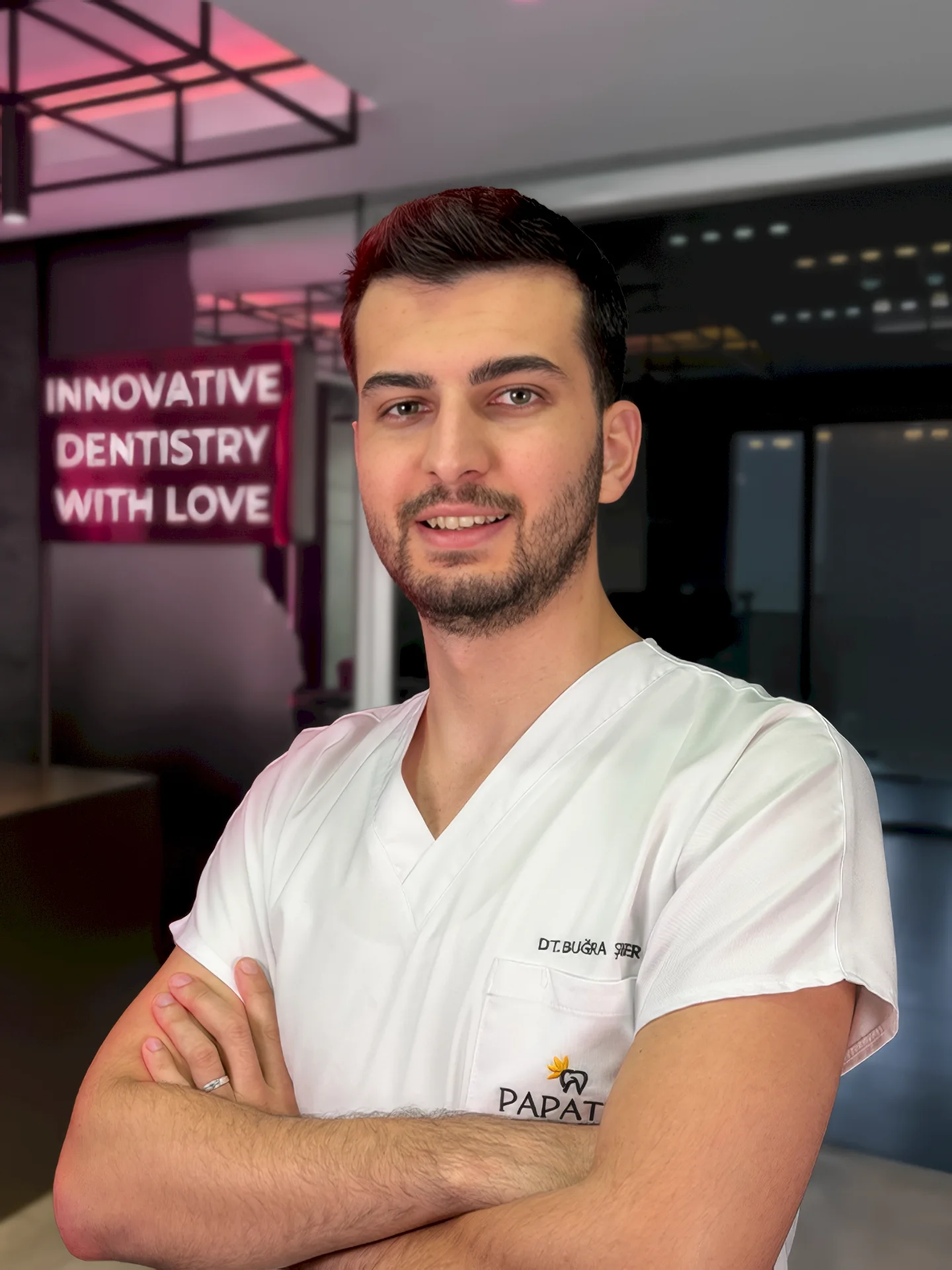
Muhammet Buğra Şener
Dentist, Aesthetic Dentistry
View doctor profile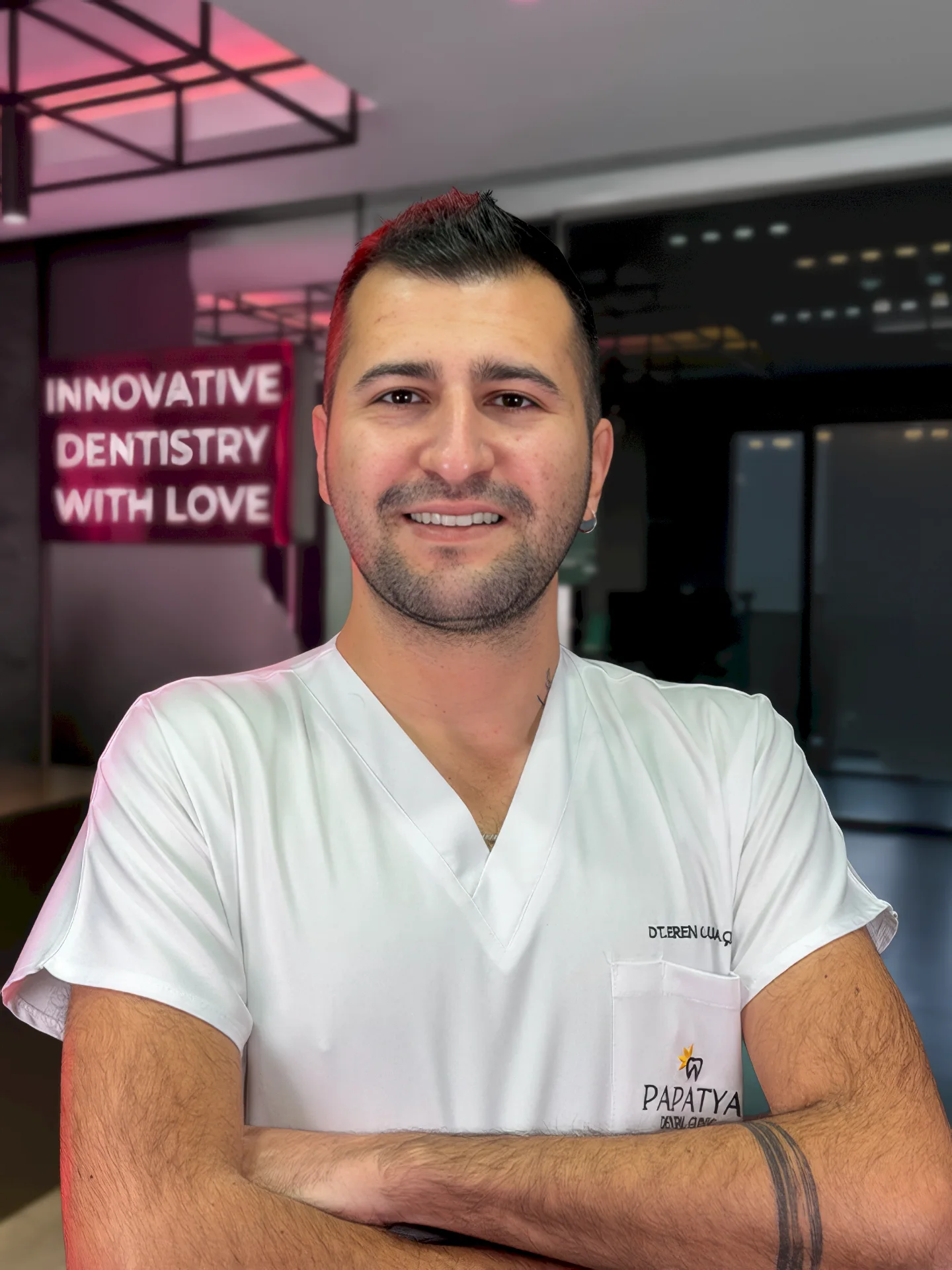
Eren Koluaçık
Dentist, Aesthetic Dentistry
View doctor profile
Samed Kağan Bozkurt
Dentist, Aesthetic Dentistry
View doctor profileLast medical review: 10 August 2026