

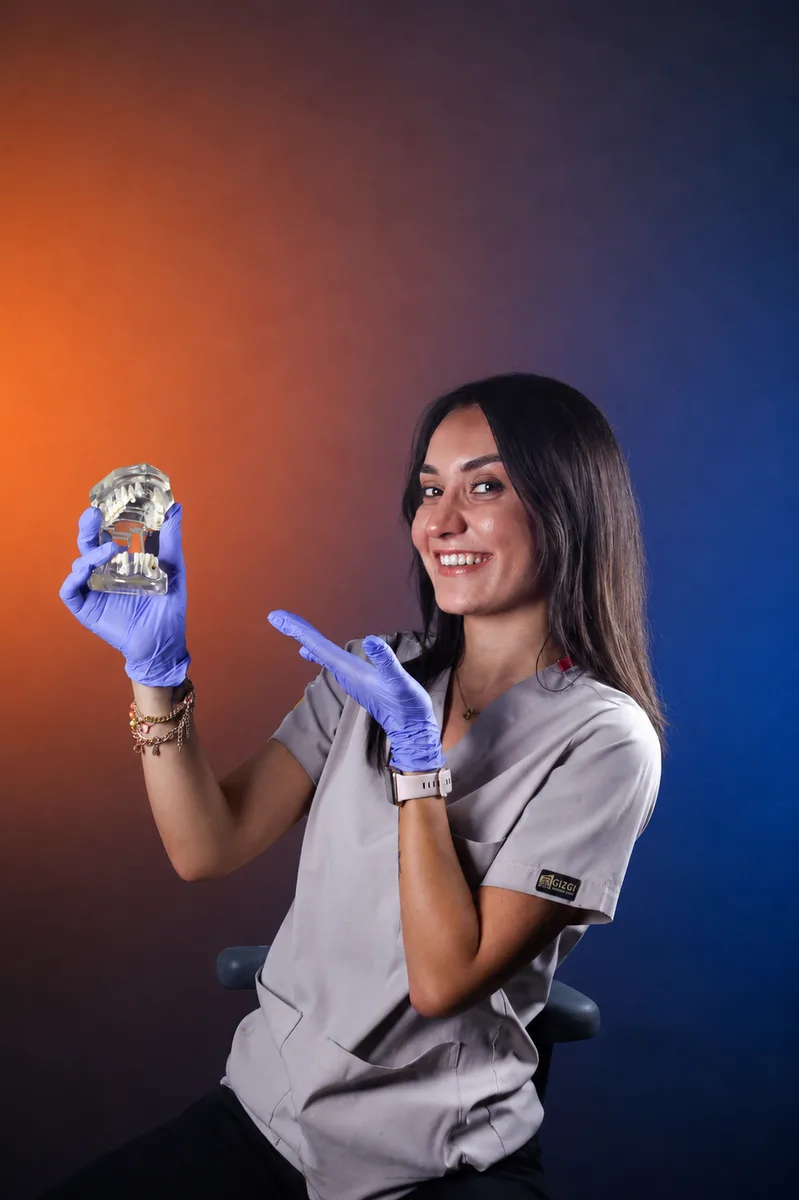
A Guide to Emergency Root Canal Treatment in Antalya
In cases of severe toothache, emergency root canal treatment may be considered when the source of the pain may be related to the dental pulp or surrounding tissues. For those considering travelling to Antalya, the key issues are understanding the urgency of the symptoms and gathering accurate information before travelling.
This guide explains when pain should not be left untreated, what information may be useful to share during initial communication, and what you may wish to consider when planning your visit to Antalya. Its aim is to provide a realistic framework for the process before the examination.
When making a decision, the duration and severity of the pain, its relationship to hot or cold, swelling, fever, trauma or associated symptoms such as a fracture are important. This information may help the dentist assess your condition more effectively in advance; the definitive decision is made after the examination.
For people planning to travel from abroad, existing X-rays, previous treatment records, current medications and medical history may be useful. The timing of the appointment, accommodation and return plans should also be considered in line with the course of the symptoms and the clinical assessment.
Signs of urgency
Worsening pain, swelling of the face or gums, fever and difficulty swallowing may be signs that require prompt assessment.
Information before travel
Sharing when the pain began, what makes it worse and which medications you take can support the initial assessment.
Existing records
If available, recent X-rays, information about previous dental treatments and medical records may be brought with you.
Individualised decision
The need for root canal treatment is determined not only by the symptoms but also through an examination and, when necessary, imaging assessment.
Planning considerations
When arranging the appointment and return plans, the urgency of the symptoms, the clinical assessment and your personal travel circumstances should be considered together.
Who Might Emergency Root Canal Treatment Be a Reasonable Option For in Cases of Severe Toothache?
Whether emergency root canal treatment in Antalya is a practical option for you depends on the course of your symptoms, the time period in which you can travel, the time you can set aside for examination and possible follow-up, and your return plans, considered together.
Those Who Want Their Pain Assessed Without Delay
For people experiencing worsening tooth pain or pain affecting daily life who can reach Antalya within a short time, arranging an examination may be considered a more meaningful option than waiting.
Those With Flexibility in Their Travel Schedule
People who can arrange their return according to the appointment time, any additional needs that may arise during the examination, and a follow-up visit if necessary may find this process easier to plan.
Those Able to Share Their Information Before Travel
People who can provide their existing X-rays, previous treatment information, medications they take, and the course of their symptoms in advance can create a more realistic schedule before the visit.
Those Aiming to Make Progress in a Single Visit
For people who want, where possible, to proceed with the necessary treatment during the same trip after the examination, emergency assessment may be reasonable provided they set aside sufficient time.
Time Available for the Visit
The length of stay in Antalya is planned by taking into account the initial examination, necessary imaging, treatment time, and the need for a follow-up if the dentist considers it appropriate.
Flexibility of Return and Transportation Plans
The return date, flight times, and local transportation arrangements are assessed. The condition of the symptoms or examination findings may require the plan to be changed.
A Very Restricted Travel Schedule
For people who must return on the same day or cannot set aside enough time for an examination, it may be difficult to create a suitable plan for assessment and possible treatment.
Periods That Make Travel Difficult
When travelling becomes difficult because of pain, swelling, or general health, the travel plan may need to be reconsidered. Timing is determined according to the course of the symptoms and the need for examination.
Clinical Selection Criteria for Emergency Root Canal Treatment
When evaluating a clinic in Antalya for emergency root canal treatment, it is helpful to consider both the status of your symptoms and your travel plans. Asking clear and specific questions during the initial consultation can help you better understand the treatment plan, communication, costs, and the process after returning to your country.
Written treatment plan and cost breakdown
Ask whether the recommended procedures are explained in writing after the examination and any necessary imaging. Find out how items such as root canal treatment, fillings, temporary or permanent restorations, and, if necessary, crowns, as well as any possible additional procedures, are presented in the cost breakdown.
Imaging and treatment planning
Ask which examination and imaging methods will support the diagnosis. Understanding when digital X-rays, three-dimensional imaging if necessary, and planning tools used to determine the working length will be used may help you understand the decision-making process.
Number of visits and travel timing
Ask whether the treatment can be planned in one or multiple visits based on the current findings. Since pain, signs of infection, the structure of the tooth, and the need for a final restoration may affect the number of visits, clarify how a plan compatible with your return date will be arranged.
Communication language and information process
Find out which language will be used to communicate with the dentist and the clinic team, and in which language consent and treatment documents will be provided. You may ask whether translation or written support is available so that you can accurately communicate your symptoms, medications, and medical history.
Follow-up plan after returning home
Ask whether a follow-up examination will be required after treatment and how your questions will be answered once you return to your country. Sharing X-rays, a treatment summary, and documents relating to the procedures performed digitally may be helpful if ongoing care with your own dentist is needed.
Materials used and unexpected situations
Ask for the brands or specifications of the root canal filling materials, temporary restorations, and materials planned for the permanent restoration. You may also ask what options will be offered if an unexpected finding is identified during planning, how the need for an additional visit will be assessed, and how communication will be managed.
How does the Antalya Guide for Emergency Root Canal Treatment work?
When considering traveling to Antalya from abroad because of severe dental pain, the process begins with the initial contact and continues with follow-up planning after your return. Each stage is shaped by the condition of your symptoms, the examination findings, and your travel circumstances.
- 1
Initial contact and sharing preliminary information
During the initial consultation, information is shared about when the pain started, its severity, and any accompanying symptoms such as swelling or fever, along with any available X-rays and previous treatment records. Medications being taken and general health information are also considered for the preliminary assessment.
- 2
Clarifying the plan after the examination
After the examination and any necessary imaging assessment in Antalya, the condition of the tooth is explained. The need for root canal treatment, any additional procedures, and points to consider during the visit are planned at this stage based on the individual findings.
- 3
Arranging the appointment and travel plans
After the assessment, appointment timing is considered together with your transportation, accommodation, and return arrangements. The progression of the pain and the scope of the planned procedures may require a flexible plan for your stay in Antalya and your return journey.
- 4
Managing the treatment days in Antalya
During the visit, the planned check-ups and procedures are carried out according to the examination findings. On treatment days, the dentist’s guidance regarding oral care, nutrition, and daily activities is followed while the next steps are assessed.
- 5
Preparing for your return and remote follow-up
Before your return, any subsequent needs related to a temporary or permanent restoration, possible follow-up requirements, and symptoms requiring attention are discussed. After you return to your country, the remote follow-up and referral process can continue as you share updates when necessary.
Treatments That May Be Considered for Severe Toothache
Which treatment is investigated for severe toothache varies according to the source of the pain, whether the tooth can be restored, signs of infection, and the findings from examination and imaging. When planning your visit to Antalya, the headings below may help you understand possible approaches to discuss with a dentist.
Root Canal Treatment
Root canal treatment may be considered when the pulp tissue inside the tooth is thought to be inflamed or infected. The aim is to remove the infected tissue and assess, based on the examination findings, whether the tooth can be preserved in the mouth.
Tooth Extraction
Extraction may be considered if preserving the tooth does not appear possible because of an extensive fracture, widespread decay, or serious problems affecting the supporting tissues. How to manage the space left after extraction is addressed as a separate part of the treatment planning.
Root Canal Retreatment
Root canal retreatment may be considered if a tooth that has previously undergone root canal treatment develops pain again, signs of infection, or a healing problem. Whether this approach is necessary is determined by evaluating the tooth’s current condition and the imaging findings.
Urgent Assessment for an Abscess or Swelling
When toothache is accompanied by facial or gum swelling, discharge, fever, or difficulty swallowing, urgent assessment takes priority. Depending on the source and spread of the infection, the dentist may consider treatment options such as root canal treatment, drainage, or extraction.
Practical Planning Information for a Visit to Antalya
When considering travel to Antalya for emergency root canal treatment, it is helpful to plan the appointment, accommodation and transportation together with the urgency of your symptoms. Sharing your symptoms, existing records and travel dates during the initial consultation can help establish the framework for your visit.
Root canal treatment can sometimes be completed in a single visit, but signs of infection, the condition of the tooth or additional procedures may require 2–3 visits over several days. The exact duration becomes clear after the examination; planning a flexible return ticket and allowing for the possibility of a follow-up may be appropriate.
Before your appointment, you can prepare a list of your medications, allergies and medical history, along with any X-rays you may have. The language of communication and the need for an accompanying person should also be discussed in advance, so that accommodation in Antalya and transportation to the clinic can be planned according to your personal circumstances.
Planning the visit and duration
Emergency assessment and completion of treatment may be possible on the same day; however, some teeth may require 2–3 visits. The travel schedule can be arranged more realistically after the examination findings are available.
Accommodation and return flexibility
Considering accommodation that facilitates travel to clinic appointments and leaving room in the return plan for a possible additional check-up may help you adapt to changes during the process.
Health information before the appointment
Sharing information about your medications, allergies, chronic conditions and previous dental treatments supports preparation before the examination and safe planning.
X-rays and treatment records
Providing recent X-rays, previous treatment notes and the history of your dental complaints, if available, may help ensure a better understanding of your condition during the initial consultation.
Communication and transportation arrangements
The language in which communication can be conducted, transportation between the airport and accommodation, and the need for an accompanying person can be discussed before the appointment. These details can help the visit be planned in a more orderly manner.
Post-Treatment Return and Remote Follow-Up
The return and care plan after root canal treatment varies depending on the scope of the procedure, examination findings, and personal travel conditions. Before leaving Antalya, your dentist’s recommendations take priority; if you experience new or unexpected symptoms, contact the clinic and seek an assessment if necessary.
- 1
Clarifying the plan before leaving the clinic
Your dentist will discuss the condition inside your mouth after the procedure, recommendations for protecting the treated tooth, and any need for subsequent restoration or follow-up. Plan your return journey according to how you feel and the information provided to you.
- 2
Arranging the return journey
It may be helpful to keep the written care recommendations and the clinic’s contact details accessible during your journey. Mild sensitivity or a difference when chewing may occur, but the course of symptoms varies from person to person and according to the scope of the procedure.
- 3
Continuing care after returning home
Follow the guidance provided by your dentist for your daily oral care. If a permanent filling, crown, or another complementary procedure has been recommended for the treated tooth, it is important to continue with this plan appropriately to help protect the tooth.
- 4
Remote follow-up and sharing information
After returning home, you can contact the clinic by phone or message if you have an ongoing concern or question. Symptoms, photographs, or current imaging records may be shared if necessary; if remote guidance is not sufficient, an in-person assessment may be required.
Keep the written recommendations accessible
Keep the care information provided by the clinic, contact channels, and planned next steps somewhere easily accessible during your journey and after returning home.
Follow the plan that completes the treatment
If a permanent restoration or additional assessment has been recommended, follow the plan communicated to you. These steps help protect the treated tooth during everyday use.
Swelling or a change in general condition
If you develop increasing swelling in the face or gums, fever, difficulty swallowing, or difficulty breathing, contact the clinic immediately and obtain an emergency assessment where you are.
Increasing pain or a restoration problem
If the pain becomes unexpectedly severe, marked discomfort develops when biting, or the temporary restoration comes out of place, inform the clinic by phone or message.
Factors Affecting the Cost of Emergency Root Canal Treatment
The total cost of emergency root canal treatment is determined not only by the severity of the pain, but also by the condition of the tooth identified during the examination, the scope of treatment, and the visit requirements that fit your travel plans. The exact fee will be confirmed after a clinical assessment and personalized planning at the clinic in Antalya.
Location and root canal anatomy of the affected tooth
The number of roots and canals may differ between front teeth and premolars or molars. Narrow, curved, or complex canals may affect the planned scope of the procedure and the clinical time required.
Condition of the infection and existing tooth structure
The tooth may have extensive decay, a previous restoration, a fracture, or signs of infection involving the surrounding tissues. Examination and any necessary imaging help determine whether procedures accompanying the root canal treatment may be required.
Whether root canal treatment has been performed previously
If the tooth has previously undergone root canal treatment, the existing treatment may need to be assessed and, if necessary, addressed again. The condition of the previous root filling and whether the tooth can be preserved may change the scope of planning.
Need for the restoration to be used
After root canal treatment, a temporary or permanent restoration may be planned according to the amount of tooth structure lost. The need to protect the part of the tooth exposed particularly to chewing forces may affect the overall scope of treatment.
Number of visits required and travel timing
In some cases, treatment may be completed in a single visit, while clinical findings may require additional assessment or follow-up. For people coming from abroad, it is important to plan visits in a way that fits their travel, accommodation, and return arrangements.
Before / After

Frequently Asked Questions About Emergency Root Canal Treatment
What should I do before coming to Antalya with severe tooth pain?
The first step is to share your symptoms without delay and request a preliminary assessment of their urgency. The onset and severity of the pain, any swelling or fever, sensitivity to hot or cold, and the medications you take may help with travel and appointment planning.
Which symptoms should be assessed without waiting for travel?
Facial or gum swelling, fever, difficulty swallowing, or rapidly worsening pain may be symptoms requiring prompt assessment. In these situations, it is important to seek an appropriate urgent evaluation of your current health condition before making travel plans.
How is it determined whether I am suitable for emergency root canal treatment?
The need for root canal treatment is not determined solely by the presence of pain. The dentist evaluates your symptoms, the intraoral examination, and any necessary imaging together to decide on the condition of the tooth and the appropriate approach.
What information would be useful to share during the initial contact?
It is useful to share when the pain started, what makes it worse, and symptoms such as swelling, fever, trauma, or a fracture. If available, you can also provide recent X-rays, previous treatment records, your medical history, and the medications you take.
How are the appointment and travel plans in Antalya arranged?
Planning is based on the urgency of your symptoms and the information you initially provide. The appointment time, your accommodation arrangements in Antalya, and your return date should be assessed flexibly, also taking into account any needs that may arise after the examination.
How long do I need to stay in Antalya for emergency root canal treatment?
The length of your stay in Antalya depends on an individual assessment and may not be confirmed before the examination. The condition of the tooth, symptoms, necessary imaging, and the need for a post-treatment check may all affect the appointment and return plans.
How is follow-up after treatment planned once I return abroad?
The need for follow-up is determined according to the examination findings and the approach used. When discussing your return plans, it is helpful to clarify follow-up requirements, symptoms to watch for, and matters such as keeping the existing records.
In which language is the communication process conducted in Antalya?
The available communication languages should be clarified before the appointment. Stating your preferred language during the initial consultation can help you accurately communicate your symptoms, medical history, and expectations and support clearer planning of the process.