

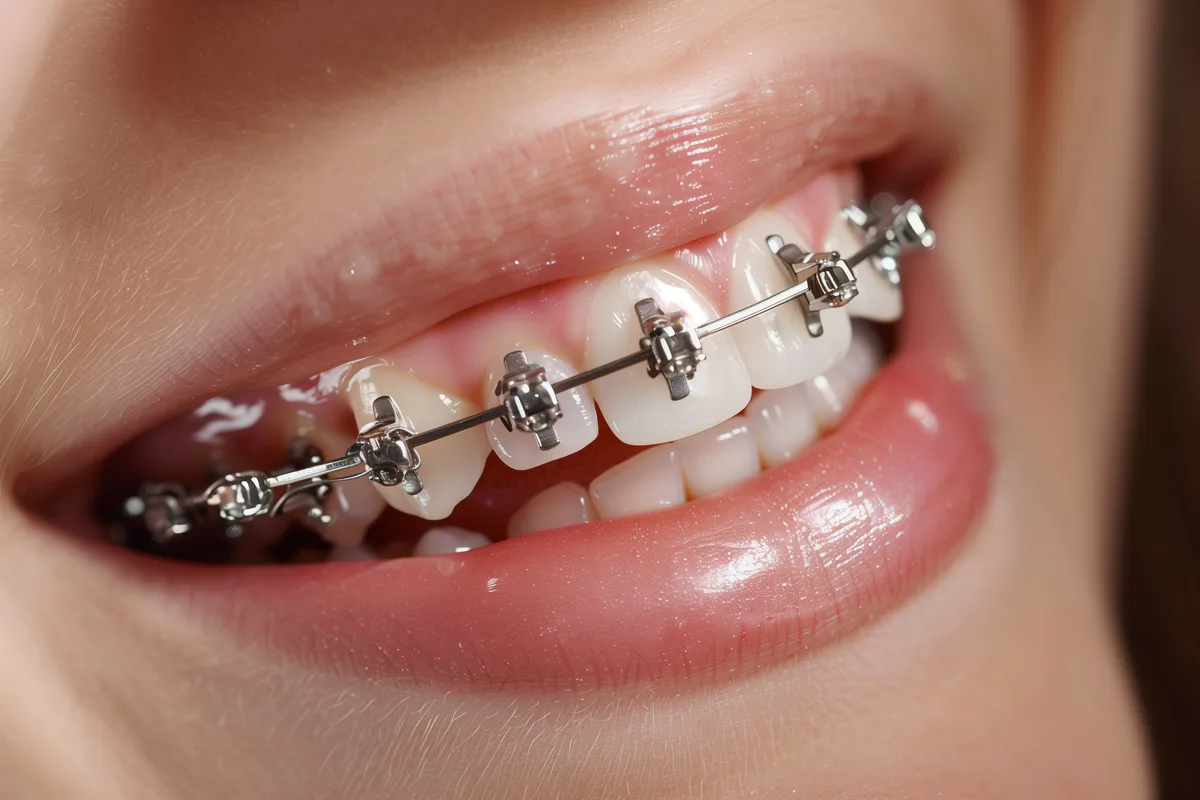
Managing Orthodontic Problems on Holiday
A bracket coming loose, a wire poking, or damage to an elastic or retainer while on holiday can affect your daily comfort. This guide has been prepared to help you assess the urgency and plan appropriate support if you experience such a situation in Antalya.
Not every orthodontic problem has the same priority. Situations such as severe pain, a sharp wire causing a wound inside the mouth, or a piece that has broken off and may be swallowed may require faster assessment; mild looseness should still be monitored.
When making a decision, it is important to share when the problem began, whether there is pain or swelling, the type of appliance being used, and the information provided by your own orthodontist. If possible, access to your current treatment plan, X-rays, or previous records may also make the assessment easier.
In the rest of the page, you will find points to consider before and during travel, information you can share when requesting support, and the limitations of temporary relief measures. The aim is to help you determine your next step in an informed way without disrupting your ongoing orthodontic treatment.
Common problems
A broken bracket, a poking wire, lost elastics, and a cracked retainer are among the orthodontic problems that can occur on holiday.
How can urgency be assessed?
Severe pain, ongoing bleeding, noticeable swelling, or a piece injuring the oral tissues may require earlier assessment.
The importance of sharing information
Providing information about the type of appliance, when the complaint began, and any available treatment records helps with a clearer assessment of the situation.
The limits of temporary solutions
Temporary measures used at home may provide relief; however, they do not replace broken or displaced orthodontic components.
Continuity of the treatment plan
Support received during travel should be assessed with consideration for the existing orthodontic plan and communication with the treating orthodontist.
Who May Be Suitable for Emergency Orthodontic Support If a Braces Problem Occurs on Holiday?
For people experiencing an orthodontic issue during a trip to Antalya, a support option becomes meaningful when the urgency of the complaint, the length of stay in the city, access to current treatment information, and how the plan will continue with the treating orthodontist are assessed together.
Those experiencing discomfort during travel
People whose daily comfort is affected by a poking wire, loose bracket, damaged retainer, or lost elastics may request an assessment if their Antalya itinerary allows.
Those with enough time in their itinerary
This support option may be more practical for visitors who have enough time for an examination, any short-term adjustment that may be needed, and their subsequent travel plans.
Those able to share their treatment information
Assessment may be easier for people who can share the type of appliance they use, when the complaint began, and, if possible, their previous orthodontic records.
Those wishing to maintain their follow-up plan
This may be considered for people who want to learn how a travel-related issue could affect their current orthodontic plan and clarify the follow-up to be continued with their own orthodontist after returning.
Timing of the complaint and travel itinerary
When the problem arose, how long the person will stay in Antalya, and the date of the return journey are considered when planning a suitable time for assessment and the practical steps to follow.
Information and documents related to current treatment
If the type of appliance, information about the elastics used, previous notes, or accessible images can be shared, the compatibility of the assessment with the current treatment plan can be considered more effectively.
Very limited time in accommodation
Planning support may be more difficult for visitors who need to leave the same day or cannot make time for an assessment in their itinerary; the travel schedule may need to be reviewed.
Periods when communication for follow-up cannot be established
In complex situations where communication with the person’s own orthodontist is particularly important, the approach may be postponed if records cannot be accessed or the follow-up plan cannot be clarified.
Criteria for Choosing a Clinic for Emergency Orthodontic Support
When seeking support for an orthodontic problem during a holiday in Antalya, clarifying the clinic’s approach to assessment, communication and follow-up in advance can make the decision easier. The questions you ask may make compatibility with your current treatment plan, the expected process and costs easier to understand.
Written assessment and cost breakdown
Ask whether potential steps such as an examination, imaging, temporary relief or component repair will be explained in writing. Sharing the scope of fees, how it may change if additional procedures are needed and the payment terms from the outset can help you plan the process more clearly.
Compatibility with the existing treatment plan
Find out how the clinic will assess your orthodontist’s treatment plan and the type of appliance you use. Being able to share any X-rays, photographs, treatment summary or information about the elastics you use may make it easier for the support provided to be considered in coordination with your ongoing treatment.
Digital records and planning options
Ask what intraoral scans, photographs or imaging, when considered necessary, will be used for. Discussing in advance whether the records obtained can be sent to you or to your treating orthodontist may be helpful for continuity when you return to your country.
Number of visits and timing
Find out whether the assessment of the problem and the necessary support can be completed on the same day and whether an additional check-up will be needed. When planning your holiday schedule, discussing the appointment duration, possible need for a follow-up and the clinic’s availability clearly can make arrangements more practical.
Communication language and post-procedure follow-up
Ask which communication language will allow you to describe your complaint and current treatment comfortably. Also clarify how the clinic handles sharing records, obtaining information remotely or communicating with your treating orthodontist after you return to your country.
Materials used and approach to unexpected situations
Ask for the brand and specifications of any brackets, wires, retainers or other components that will be replaced. Find out how the clinic approaches communication and referral if the planned support is insufficient, an additional problem is identified or discomfort continues after the appointment.
How does emergency orthodontic support work?
If an orthodontic issue arises during a holiday in Antalya, the process begins with a preliminary assessment based on information shared remotely. The scope of support needed, as well as appointment and travel arrangements, is then assessed; after your return, coordination with your own orthodontic follow-up is taken into consideration.
- 1
Initial contact and sharing information about the situation
Information is shared about when the complaint began, whether there is pain, swelling or a sore, the condition of the problematic wire or component, and the type of appliance being used. Where possible, photographs and information about the current orthodontic plan or previous records are also provided.
- 2
Preliminary assessment and support planning
Based on the information shared, the urgency with which the situation needs to be addressed is assessed. The scope of any examination or repair that can be provided in Antalya is discussed, along with how temporary or necessary support can be planned without affecting the existing orthodontic treatment plan.
- 3
Appointment and travel arrangements
An appointment is planned according to your holiday schedule and the urgency of the situation. Taking into account the length of your stay, your transport options and your return date, a practical schedule is arranged for any examinations that may be needed.
- 4
Assessment and support in Antalya
On the day of the appointment, the orthodontic appliance and its effects inside the mouth are assessed. While the wire, bracket, elastic or retainer causing discomfort is addressed, the procedure and the points requiring attention afterwards are explained with the continuity of your existing treatment in mind.
- 5
Return plan and remote follow-up
Before your return, information about the procedure that may be useful to share with your own orthodontist, along with follow-up recommendations, is reviewed. Any changes that may arise afterwards are assessed through remote communication; when necessary, you are asked to coordinate with your ongoing orthodontic follow-up.
Support Options to Consider for Orthodontic Problems During a Holiday
The appropriate approach to an orthodontic problem that arises during a holiday is assessed according to the type of appliance, the severity of the complaint, its effects on the oral tissues, and the existing treatment plan. The aim is to maintain comfort while preserving the continuity of ongoing orthodontic treatment.
Adjustment of a Wire That Is Pricking or Has Come Out of Position
If the end of a wire pricks the cheek, lip, or tongue and causes a sore, the part of the wire that is harming the oral tissues may need to be assessed. If considered necessary, the wire may be safely repositioned or the irritating section may be adjusted.
Assessment of a Broken or Loose Bracket
If a bracket has detached from the tooth, rotated, or is moving while still attached to the wire, the bracket–wire connection is examined. Earlier support may be needed if the component poses a risk of being swallowed, irritates the tissue, or disrupts the wire’s function.
Assessment of Damage to a Retainer or Clear Appliance
For retainers and clear orthodontic appliances that are cracked, broken, lost, or do not fit properly in the mouth, their fit and condition are checked. Whether the appliance can continue to be used is considered in light of the existing treatment records and the plan of the treating orthodontist.
Replanning Orthodontic Elastics and Accessories
Elastics breaking, being lost, or forgetting how they should be placed can affect the treatment routine. In such cases, the instructions for using the elastics, the attachment points, and the current usage pattern may be reviewed in accordance with the records.
Practical Planning for Emergency Orthodontic Support
When an orthodontic problem occurs during a holiday, the support time required varies depending on the type of problem and the condition of the existing appliance. Issues such as a wire poking or a loose bracket can often be addressed in a single assessment and treatment visit; more extensive repairs may require additional planning.
When planning your appointment in Antalya, your travel schedule, accommodation and travel time should be taken into account. Sharing a photo of the complaint, the type of appliance you use and any previous treatment records before the appointment can help estimate the time needed.
When the communication language and appointment availability are clarified in advance, the process may proceed more smoothly. Providing the languages you speak, when the complaint started, symptoms such as pain or swelling, and your own orthodontist’s recommendations can help determine the scope of the assessment.
Visit and time planning
For simple problems, the process can often be assessed in a single visit on the same day. Depending on the extent of the repair, an additional check-up may be needed within a few days; the exact plan will become clear after the examination.
Accommodation and transport arrangements
It may be helpful to plan transport between your accommodation and the appointment, as well as your return journey, together. The possible need for a follow-up should be taken into account when creating your travel schedule.
Sharing photos before the appointment
Clear photos showing the problem inside the mouth from different angles may help provide preliminary information about a poking wire, a loose bracket or retainer damage.
Preparing treatment records
If available, recent X-rays, a treatment summary, information about the elastics used and recommendations from your treating orthodontist may be shared. These records help support an understanding of the current treatment plan.
Clarifying communication details
When requesting an appointment, it is helpful to state your preferred communication language, the hours when you are available and your complaint. The scope of language support and the appointment details should be confirmed in advance.
Post-Antalya Orthodontic Follow-up and Return Plan
The return and follow-up plan after receiving care in Antalya may vary depending on the type of problem, the scope of the assessment performed, and your ongoing orthodontic treatment. Any written or verbal recommendations given to you take priority. Contacting your own orthodontist after you return supports continuity of your treatment plan.
- 1
Clarifying the information and plan before departure
Before you leave, the current status of your complaint, a summary of the assessment or any procedure performed, and the points you have been advised to pay attention to are clarified. Requesting records, photographs, or notes with recommendations to share with your own orthodontist may facilitate the next assessment.
- 2
Monitoring comfort during the journey
Throughout the journey, observe whether the appliance causes renewed discomfort due to rubbing, poking, or loosening. Follow the care approach explained to you, avoid behaviors that could place strain on the appliance, and note any changes in your symptoms.
- 3
Continuing daily care after returning home
After returning home, continue your daily oral care and the appliance-wearing schedule recommended for you. Emergency support received while on holiday does not replace your ongoing orthodontic plan. Therefore, contact your own orthodontist and plan any necessary check-up or next steps together.
- 4
Sharing changes through remote communication
If the problem recurs or a new discomfort develops, inform the clinic when the complaint began, how it has changed, and, if possible, provide up-to-date photographs. Remote communication may provide general guidance; in some cases, an in-person appointment may be necessary for clinical assessment.
Keep your treatment records accessible
Keep information about the appliance used, any photographs, and procedure notes during and after your return journey. These records may help your own orthodontist carry out the next assessment more effectively.
Avoid factors that strain the appliance
Avoid habits that could place pressure on the bracket, wire, elastic, or retainer. Follow the personalised recommendations given to you for daily cleaning and use on a regular basis.
If discomfort increases significantly
Contact the clinic without delay if you develop increasing or severe pain, noticeable swelling, ongoing bleeding, or a sharp part that causes a wound inside the mouth.
If there is new damage to or displacement of the appliance
If the wire starts poking again, a bracket comes off, the retainer breaks, or a loosened part poses a risk of being swallowed, inform the clinic and request an assessment.
Factors Affecting the Cost of Emergency Orthodontic Support During a Holiday
The scope of orthodontic support needed during a holiday in Antalya varies depending on the nature of the problem and the condition of the existing appliance. The exact fee becomes clear after an examination, assessment of the complaint, and planning of an individualized approach.
Type and Urgency of the Orthodontic Problem
Safely adjusting a protruding wire, assessing a loose bracket, or examining a broken retainer may not involve the same scope of care. The presence of symptoms such as pain, soft-tissue injury, or a risk of swallowing may affect the extent of the required assessment.
Type of Appliance and Material Used
The monitoring and repair requirements of different orthodontic appliances, such as fixed braces, clear aligners, retainers, or elastics, may vary. The need for a component or material compatible with the existing system may affect the content of the support provided.
Number of Assessments and Visits Required
While some problems can be managed temporarily in a single assessment, follow-up or an additional check may be necessary. The length of the holiday, the course of the complaint, and the need to remain compatible with the existing orthodontic plan are factors that affect the number of visits.
Additional Examinations or Complementary Procedures
Additional examinations may be needed to understand the extent of appliance damage and its effect on the teeth and oral tissues. Needs such as safely addressing a broken component, reducing irritation, or assessing a new impression may change the scope of the cost.
Accessibility of Existing Treatment Records
When your orthodontist’s treatment plan, previous records, and information about your appliance can be shared, the situation can be assessed more specifically. Limited records may require a more detailed examination of the existing system and the problem.
Before / After

FAQ About Emergency Orthodontic Support During Your Holiday
How does the process begin if I experience an orthodontic problem in Antalya?
The process begins when you provide information about your complaint and the appliance you are using. Indicating when the problem with the bracket, wire, elastic, or retainer occurred, and whether you have pain, swelling, or a wound, helps assess the urgency of the situation.
How quickly should my braces problem be assessed?
The need for assessment varies depending on the severity of the symptoms. Severe pain, ongoing bleeding, noticeable swelling, a wire injuring the oral tissues, or a piece that poses a risk of being swallowed may require earlier support; even minor looseness should be reported without delay.
How should I plan my visit to Antalya for orthodontic support?
Planning should take into account your travel dates, the urgency of the problem, and your current treatment plan. If possible, sharing details of your complaint, the type of appliance, and any treatment records you have before the appointment may facilitate the assessment.
Do I need to share my current orthodontist’s treatment plan?
Sharing your current treatment plan may be helpful. Previous records, X-rays, and your orthodontist’s recommendations may help ensure that the assessment is planned in a way that is compatible with your ongoing treatment.
Will treatment provided during my holiday affect my own orthodontic treatment?
Support provided during your holiday is assessed, whenever possible, with your existing treatment plan in mind. Since the scope of any procedures that can be performed may vary depending on the problem, the type of appliance, and the availability of records, communication with your orthodontist who is continuing your treatment is important.
Can temporary relief methods resolve an orthodontic problem?
Temporary measures may help reduce discomfort, but they do not replace broken, detached, or displaced components. Professional assessment should not be delayed, particularly if a wire is poking, causing a wound, or if a piece poses a risk of being swallowed.
What information should I prepare when requesting orthodontic support?
The time when the complaint began, whether there is pain or swelling, the type of appliance you are using, and a photograph of the problem may be useful. If available, the treatment plan, X-rays, and previous orthodontic records can also support a clearer assessment of the situation.