

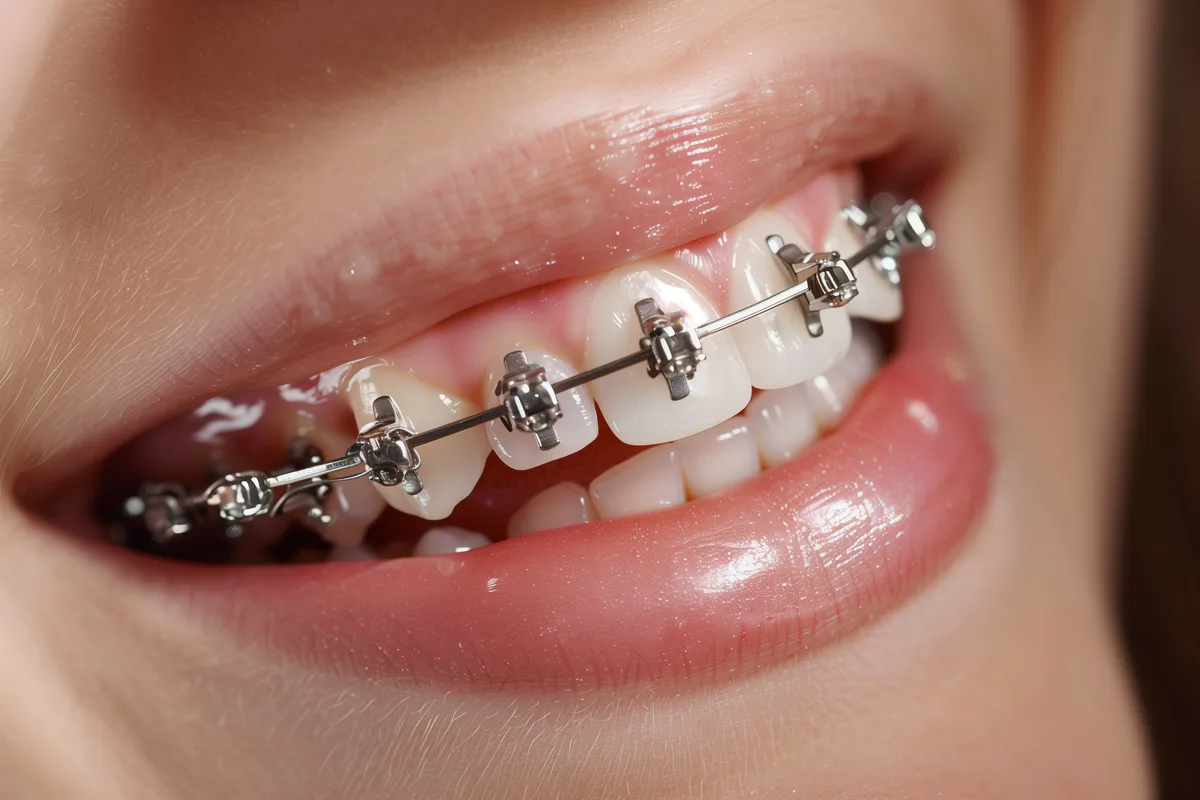
Planning the Start During the School Holidays
Considering starting orthodontic treatment with braces for a child during the school holidays involves more than choosing a convenient date. Families may wish to consider the child’s orthodontic needs, the return to the school routine and the practical details of travelling to Antalya together.
This guide discusses why the holiday period may be preferred for starting treatment, what information can be prepared before the initial assessment and which considerations may affect the school term. Its aim is to help families gain a clearer understanding of the overall process before making a decision.
When planning, the child’s age, oral and jaw development, current tooth alignment, school calendar and the family’s travel options are taken into account. The need for braces and the appropriate time to begin can only be determined individually after an orthodontic assessment.
The length of the holiday is not the only deciding factor; the follow-up schedule, access to transportation for post-school check-ups and the child’s daily habits are also important. This page helps you prepare for the key questions to ask when planning treatment to begin in Antalya.
Why consider the holidays?
The holidays may give the child time to adapt to a new oral-care and daily routine without the pressure of school.
Assessment before making a decision
The development of the teeth and jaws plays a central role in determining the need for braces and when to begin treatment.
Take the school calendar into account
The return date, examination periods and school routines should be considered when evaluating travel and the follow-up plan.
The travel plan matters
The dates of travelling to and from Antalya and the available transport options for subsequent check-ups help create a plan that suits the family.
The child’s preparation
The child’s understanding of the process, participation in oral care and daily habits are issues that should be discussed when deciding when to begin.
Who May Be Suitable to Start Orthodontic Treatment with Braces During a School Holiday?
The decision to start during a holiday is planned by considering the child’s need for an orthodontic evaluation, the family’s travel duration in Antalya, the school calendar, and their ability to maintain subsequent follow-up visits.
Families who can set aside holiday time for the adjustment period
For families who can set aside time during the holiday to help the child adjust to new routines, starting treatment during this period may be considered. In the first few days, it may be easier to provide support with eating, oral care, and the daily routine.
Those who can plan sufficient time in Antalya
Starting during the holiday may be a reasonable option for families who can allocate enough time for the initial consultation and planning and arrange their travel dates flexibly. The required duration becomes clear after the examination.
Those who can consider follow-up visits in advance
Families who can plan appointment times after the school term begins together with transportation, leave, and the child’s class schedule may consider this option. The need for regular follow-up should be discussed before starting treatment.
Those who want to account for school transitions
Starting during a holiday may be considered by families who want to establish a daily routine before a new school, exam preparation, or intensive activities. Nevertheless, the child’s schedule and orthodontic needs are considered together.
Coordination between the holiday and school calendars
The time that can be spent in Antalya, the return date, the school opening date, and examination periods are assessed. This allows the practical effects that starting treatment may have on the child’s educational routine to be planned more realistically.
Long-term follow-up arrangements
The family’s transportation options, leave plan, and communication arrangements for subsequent follow-up visits are reviewed. The aim is to address not only the start date but also the follow-up process in a sustainable way.
If the travel period is very limited
If the stay in Antalya does not appear long enough for the evaluation and necessary planning, starting during the holiday may not be practical. Identifying a more suitable time period may help manage the decision-making process more comfortably.
If subsequent follow-up visits are uncertain
If follow-up visits cannot be anticipated during the school term because of transportation, leave, or the family’s schedule, the starting time may need to be reconsidered. It may first be necessary to establish a more regular follow-up plan.
Planning and Follow-Up Questions to Ask When Choosing a Clinic
When considering starting orthodontic treatment with braces for a child during a holiday in Antalya, it is important not to choose a clinic based solely on the start date. Written planning, communication practices, travel arrangements and the approach to follow-up after returning home should be evaluated together, in line with the child’s needs and the anticipated scope of treatment.
Written treatment plan and cost breakdown
Ask whether the planned stages, estimated visits and the scope of the fees will be provided in writing after the initial assessment. Clarifying how check-ups, records, possible additional procedures and plan elements that may change during treatment will be reflected in the cost can make decision-making easier.
Digital records and orthodontic planning
Find out how intraoral records are taken and which methods are used for treatment planning. You may ask how digital scans, photographs and, when necessary, imaging records are considered together to assess the child’s teeth, jaws and developmental status.
Number of visits needed to start treatment
To plan travel around the holiday period, clarify over how many separate visits the initial assessment, record-taking and treatment-start stages are carried out. Keep in mind that the same schedule may not apply to every child and that the plan may change based on the assessment findings.
Communication in a language the family can understand
Ask in advance which languages can be used to explain the process to the child and the parents. Sharing the treatment plan, oral-care recommendations, appointment details and written documents in a language the family can understand comfortably can help everyone follow the process together.
Follow-up arrangements after returning home
Discuss how routine check-ups will be planned after the family returns home, what remote communication options are available and when subsequent visits to Antalya might be considered. You may also ask how the clinic approaches sharing information when communication with a local dentist or orthodontist is needed.
Material information and unexpected situations
Ask for information about the brand and features of the brackets, wires or other orthodontic materials being considered. Find out which communication channels are available to the family if a bracket breaks, a wire causes irritation or a question arises outside appointment hours, and how the general steps to follow will be explained.
How does starting orthodontic treatment for children during the school holidays progress?
For families planning to begin treatment during the school holidays in Antalya, the process is addressed together from the initial contact and assessment through travel arrangements and follow-up after returning home. The details are shaped according to the child’s needs, school schedule, and the family’s transportation options.
- 1
Initial contact and sharing information
The family shares information about the child’s current dental condition, any previous assessments, if available, and the holiday dates. Initial questions about the school term, transportation options to Antalya, and how follow-up visits could be planned are clarified at this stage.
- 2
Planning for the preliminary assessment
Based on the information shared, a suitable visit for an orthodontic assessment is planned. Existing images or records may be reviewed; however, the decision regarding the need for braces and when to begin is assessed after the examination in Antalya.
- 3
Discussing the treatment and follow-up framework
After the examination, the findings concerning the child’s dental and jaw development, possible planning options, and follow-up requirements are discussed with the family. The return-to-school date, oral care habits, and any future checks that may be required are considered together in terms of the plan’s feasibility.
- 4
Arranging appointment and travel details
If beginning treatment is considered appropriate, appointments in Antalya are arranged to fit the holiday schedule. When determining the arrival and return dates, the family considers the time needed for consultations, the child’s rest routine, and the school calendar after returning.
- 5
Completing the visits in Antalya
If treatment is to begin, the family comes to the clinic on the scheduled days, and the child is informed about daily matters requiring attention during the process. Oral care, eating habits, situations that may arise at school, and the family’s questions are addressed during these visits.
- 6
Remote follow-up after returning home
After returning home, the family stays in communication regarding the planned follow-up arrangement. When necessary, the situation may be assessed remotely through the sharing of information or images; the timing of in-person checks is determined according to the child’s treatment scope, development, and travel plans.
Treatment Options to Explore in Pediatric Orthodontics
Which orthodontic approach may be considered for a child is evaluated according to the eruption status of the teeth, jaw development, bite relationship, and follow-up plan. When considering starting treatment during a holiday, families can learn about treatment options related to their needs and attend their evaluation in Antalya better prepared.
Fixed Braces Treatment
This orthodontic approach uses brackets and wires attached to the teeth to align the teeth and regulate the bite. It may be considered when crowding, spacing, or bite problems in permanent teeth are evaluated; regular check-ups and daily oral care are part of the treatment plan.
Removable Orthodontic Appliances
These approaches use appliances that the child can remove and put back in to guide specific tooth movements or developmental issues. They may be considered for certain jaw relationships during growth or for limited dental problems; regular use, care, and follow-up are required.
Treatments to Guide Jaw Development
These orthodontic treatments aim to support the developmental relationship between the upper and lower jaws by taking advantage of growth potential. When a significant discrepancy between the jaws is suspected, they may be considered in line with the child’s stage of development and clinical evaluation.
Orthodontic Treatment with Clear Aligners
This method aims to move the teeth gradually using custom-made, clear, removable aligners. It may be explored for certain crowding and bite problems; wearing the aligners as recommended, avoiding their loss, and maintaining oral hygiene are important.
Travel and Appointment Planning During the Holiday Period
When planning to begin orthodontic treatment in Antalya during the school holidays, it is possible to discuss in advance whether the initial assessment and any necessary records can be completed during the same trip. The process varies depending on the examination findings, the approach to be used, and the child’s need for adaptation.
In many cases, the first visit may include an assessment, record-taking, and consultations that can be scheduled within 1–3 days; some families may need an additional appointment to begin treatment. Flights, accommodation, and the return date should be arranged with some flexibility once appointment times have been confirmed.
Before the appointment, it may be helpful to share any existing panoramic X-rays, previous orthodontic records, health information, and the medications the child takes. Confirming the preferred communication language and any interpretation needs in advance can also help create a clearer plan for the family.
Understanding the scope of the first visit in advance
Whether the examination, intraoral records, and treatment-planning consultation can be completed during the same visit is assessed according to the child’s needs and the appointment schedule.
Allowing extra time for accommodation
Leaving some flexibility in flight and accommodation plans may be helpful, taking into account the possibility that an additional assessment or consultation may be needed between appointments.
Coordinating follow-up visits with the school schedule
The intervals between follow-up visits after treatment begins may vary depending on the stage of treatment. Families can consider school holidays, weekends, and travel options to Antalya together.
Information that can be shared in advance
Previous dental records, available imaging, general health information, and regularly used medications may help make planning the first consultation more efficient.
Clarifying the communication language before the appointment
Discussing the family’s preferred communication language and any need for interpretation before the appointment may help the child and parents communicate their questions more comfortably.
Post-Treatment Return and Follow-Up Plan
The plan after starting orthodontic treatment in Antalya may vary according to the child’s needs, the scope of the treatment, and the circumstances in the family’s country of residence. The orthodontist’s recommendations for the return journey, daily care, and remote communication always take priority.
- 1
Finalising the plan before leaving Antalya
Before returning, the family can review the next communication steps, the information that may be requested, and the general framework of follow-up appointments with the clinic. The child’s school schedule, travel date, and follow-up options in your country are taken into account in this planning.
- 2
Maintaining the routine during the return journey
During the journey, it may be helpful for the child to have easy access to oral-care supplies and to continue daily care as much as possible. If discomfort or a problem with the appliance is noticed before travelling, contact the clinic to learn the appropriate approach.
- 3
Continuing daily care after returning home
For children wearing braces, thorough oral care should be incorporated into the home and school routine. Encouraging the child to notice and share changes involving the wires, brackets, or inside of the mouth with the family can help maintain care habits and follow-up communication with the clinic.
- 4
Remote follow-up and assessment when needed
Where considered appropriate, the clinic may request general follow-up based on photographs, video consultations, or information provided by the family. Remote communication does not always replace an in-person assessment; if the clinic considers it necessary, it will provide guidance for additional assessment.
Keep care supplies accessible
Keeping the recommended oral-care supplies in the child’s travel and school bag may make it easier to maintain the care routine after meals. Follow the method demonstrated by the dentist.
Save the contact details before travelling
Before leaving, note how photographs or information should be sent to the clinic, the communication channels, and the plan after returning. This can help make communication more organised if a question arises.
Significant problem with a wire or bracket
If you notice that a bracket has come loose, a wire is poking, or the appliance is damaged, contact the clinic to ask what step to take rather than attempting to intervene at home.
Persistent or worsening discomfort
Inform the clinic and obtain guidance for the necessary assessment if the child has pain, swelling, or an oral sore that affects daily life, is becoming worse, or persists unexpectedly.
Factors Affecting the Cost of Braces for Children
The total cost of braces for children depends not only on the initial stage, but also on the scope of the orthodontic need and the follow-up plan. For families travelling to Antalya from abroad, a visit schedule that fits their travel plans may also affect planning. The exact fee is determined after an examination and child-specific planning.
Scope of the orthodontic need
The degree of crowding, the developmental relationship between the jaws, and whether treatment covers one or both jaws may affect the scope of the plan. Findings from the initial assessment are important in determining the details of the approach and the related cost.
Selected orthodontic materials and system
The type of brackets, archwires, and other orthodontic materials considered suitable for the child’s needs may affect the cost of braces treatment. The choice is assessed based less on aesthetic expectations than on the child’s clinical needs, oral hygiene habits, and the orthodontist’s treatment plan.
Frequency and scheduling of follow-up visits
The number of check-ups that may be needed during treatment and the intervals between them vary according to the monitoring of orthodontic movement. Families living abroad may need to plan their visits to Antalya around school holidays, return dates, and access arrangements, which can affect the scope of the process.
Assessments required before starting treatment
Assessments such as an intraoral examination, imaging, or dental records may be required for orthodontic planning. The need for these records is determined according to the child’s dental and jaw development; a detailed review of the existing findings may affect the planning cost.
Additional procedures needed before orthodontic treatment
For some children, additional dental procedures may be needed before braces are fitted to support oral health or ensure suitable conditions for treatment. This need is not the same for everyone and may be included in the cost only according to the conditions identified during the examination.
Before / After

FAQ About Starting Braces During the School Holiday
Why might starting orthodontic treatment during the school holiday be considered?
The holiday period may give the child an opportunity to adjust to new oral-care and daily routines without the pace of school. However, the suitability of the starting time should be considered together with the orthodontic assessment, school schedule and opportunities for follow-up, rather than being based mainly on the length of the holiday.
How is the initial planning for braces treatment in Antalya carried out?
Initial planning begins with an assessment of the child’s oral and jaw development and tooth alignment, along with a discussion of the family’s travel schedule. The date of arrival in Antalya, the return to school and transportation options for subsequent check-ups are considered together to establish a framework suitable for the family.
What information should we prepare before the initial assessment?
The child’s school schedule, holiday and travel dates, and any previous dental or orthodontic records can be prepared. In addition, sharing information about daily oral-care habits, current concerns and the family’s ability to attend follow-up visits may make planning easier.
How can we find out how much the treatment will affect the school term?
The possible effects on the school term can be discussed more clearly according to the plan created after the assessment. Exam dates, the school routine, access to Antalya and the child’s adjustment to new care habits are factors to consider when planning the follow-up schedule.
How are subsequent check-ups planned when travelling from abroad?
The follow-up plan is created by considering the child’s clinical needs together with the family’s ability to travel to Antalya. The timing and frequency of check-ups are not the same for everyone; therefore, school holidays, return dates and transportation options should be clearly shared during the initial consultation.
How is it determined whether my child is suitable for starting braces?
Suitability is determined by examining the development of the mouth, teeth and jaws and the current tooth alignment, rather than assessing the child’s age alone. The orthodontic assessment provides an individualised view of whether braces are needed and what may be an appropriate time to start.
How can I prepare my child for starting treatment?
It may be helpful to explain calmly and in an age-appropriate way that the process may require daily oral care and regular follow-up. Talking together about school, travel and eating routines supports the child’s participation in the process; detailed recommendations can be shared after the assessment.