
An antibiotic is not a painkiller
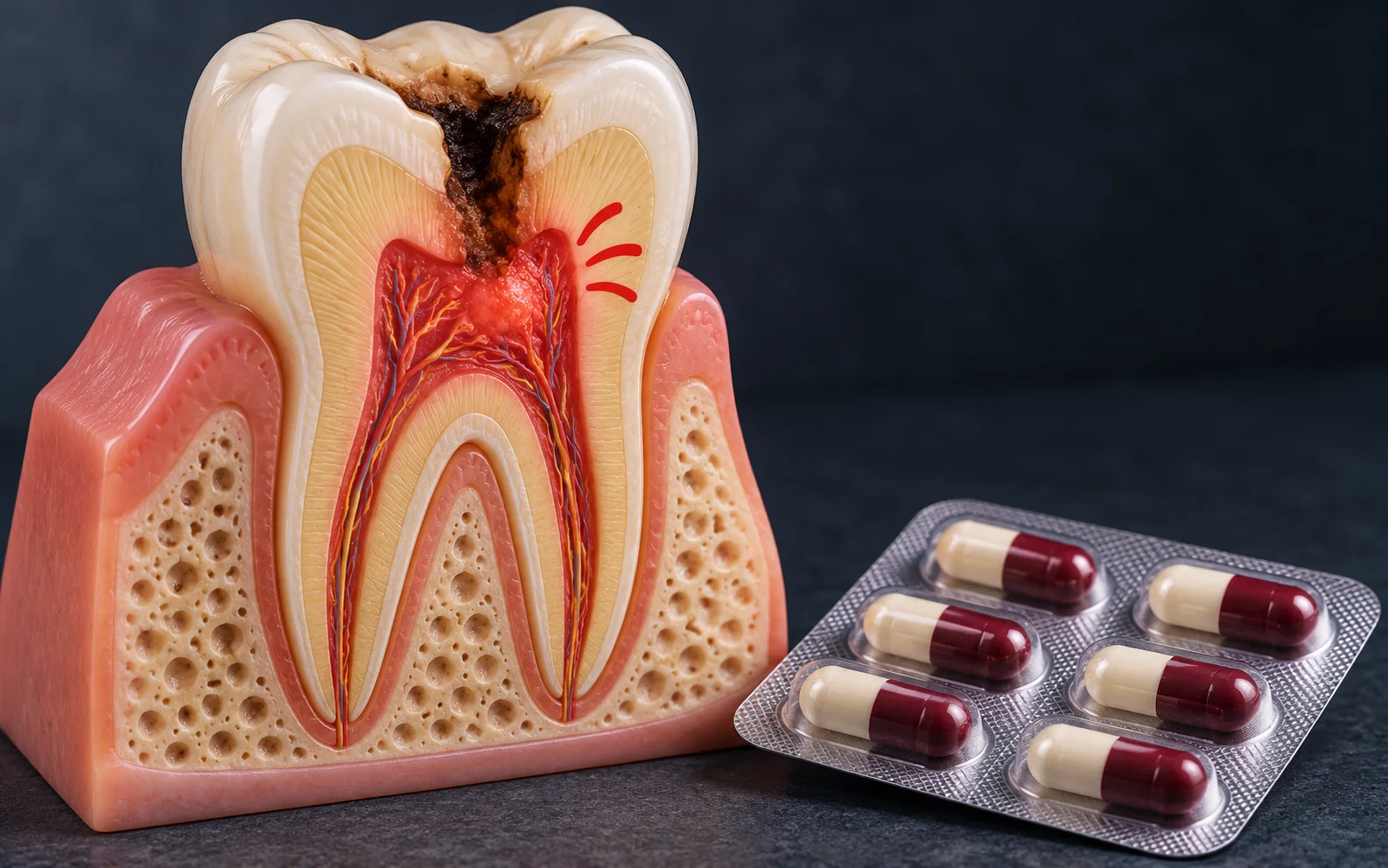
Antibiotics act on bacteria and have no effect on the nerve endings that carry pain. When the nerve inside a tooth becomes inflamed, that inflammation is trapped in a narrow, closed space that the blood supply barely reaches, and the drug barely reaches it either. That is why nothing changes in the first hours after a course begins, and often nothing changes the next day either.
When the pain comes from pressure
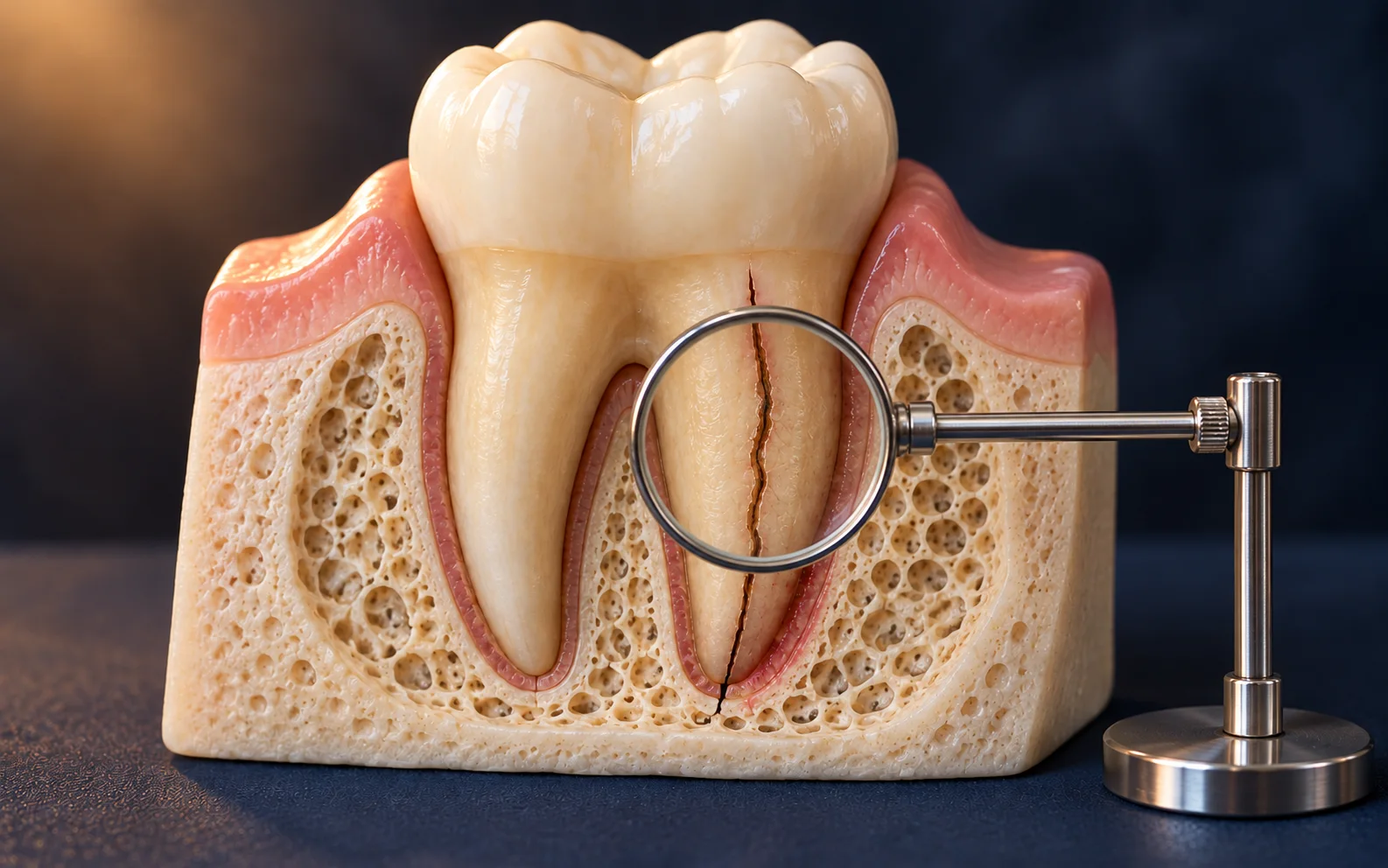
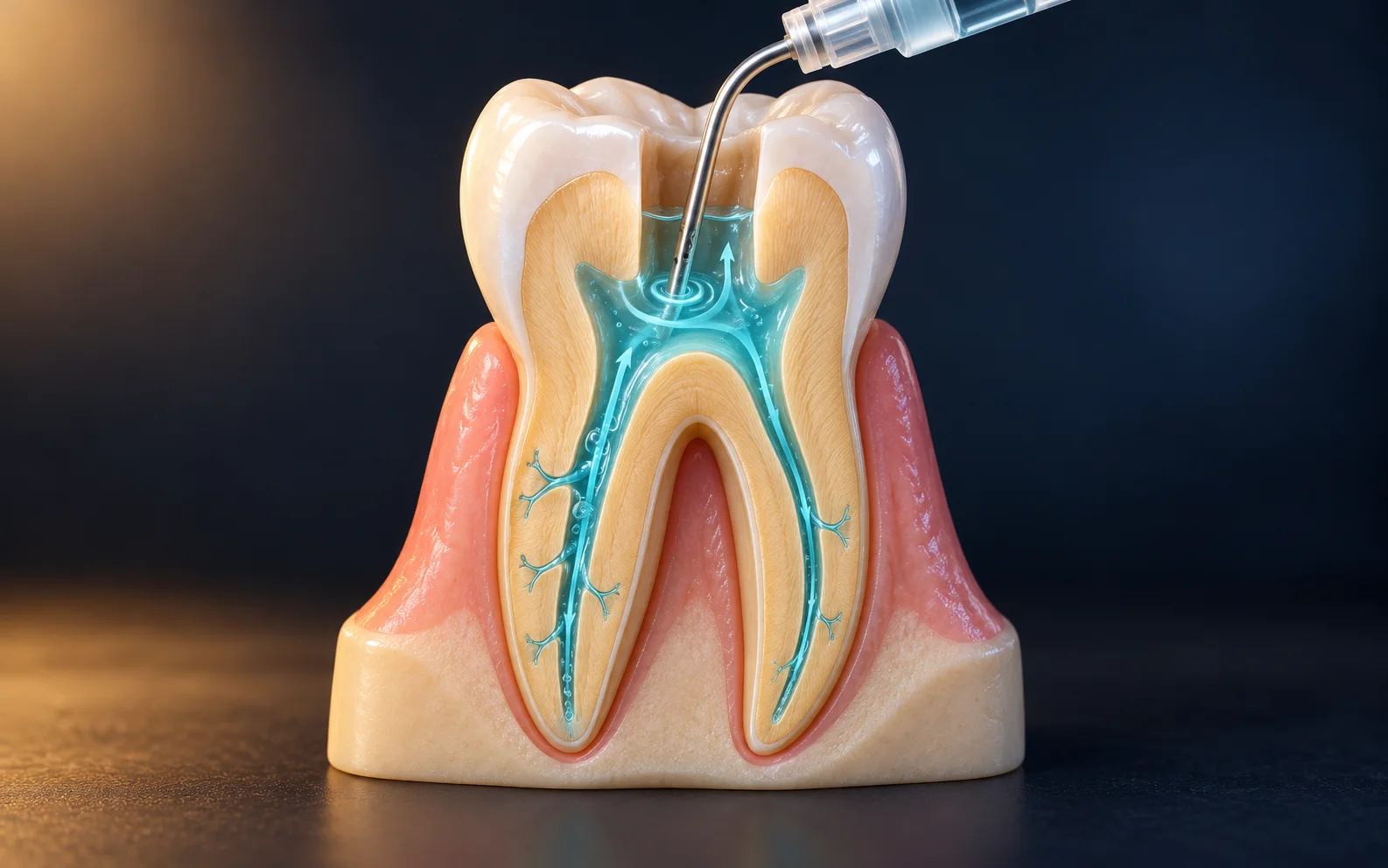
In the middle of every tooth there is a narrow space holding the blood vessels and the nerve, with hard tissue around it on all sides. When decay reaches that space, the tissue swells and has nowhere to expand. Pressure rises and a dull ache turns into throbbing. What settles this is not a tablet but releasing the pressure: cleaning the inside of the tooth, that is root canal treatment, or taking the tooth out if it cannot be saved. Once the pressure is released, the pain eases within hours for most people.
When an antibiotic is genuinely needed
An antibiotic becomes necessary once the infection has spread beyond the tooth into the surrounding tissue. The aim then is not to quieten the pain but to stop the spread and make the real treatment safe. That decision follows an examination and usually an X-ray, not a phone call.
- Swelling in the face or neck that grows and has no clear edge
- A temperature, shivering, or a clear decline in how you feel overall
- Difficulty swallowing or opening your mouth
- An illness or a treatment that weakens the immune system
What needless courses leave behind
Every unnecessary course brings bacteria a step closer to ignoring the drug; an infection that clears easily today may not respond years from now. There is a nearer harm too: nausea, an unsettled gut, thrush, and in some people an allergic reaction. The most hidden harm is that the pain fades, the tooth stays untreated, and the appointment that would have solved the problem is put off for months.
The length of the course is not yours to change
If an antibiotic has been prescribed, finish the course as it was set out; do not stop or stretch it on your own judgement. If symptoms settle earlier than expected, ask whoever prescribed it before you stop. Opening a half-used box at home for a new ache is no better.
What helps until the appointment
A few simple things help: chew on the other side, stay away from anything very hot or very cold, and sleep with your head slightly raised, which softens the throbbing. Which painkiller suits you, and how much of it, depends on you and on the other medicines you take, so that question goes to a dentist or a pharmacist. Placing a tablet on the gum does not help; it burns the tissue underneath.
Frequently asked questions
I have started an antibiotic, so why does my tooth still hurt?
Because the pain was never what the drug was aimed at. It holds the bacteria back but does not empty the inflamed space inside the tooth. While that tissue and the pressure in it stay where they are, the throbbing carries on. The pain eases once the tooth is cleaned from the inside or taken out.
When is an antibiotic needed for toothache?
When infection has left the tooth: swelling that grows in the face or neck, a temperature, feeling generally unwell, difficulty swallowing. For anyone whose immune system is weakened, the threshold is lower. The decision belongs to the dentist who examines you.
Can I use the box left over at home?
Better not. What is left will not cover a full course, the medicine may not suit this situation, and less pain does not mean the tooth is well. Take the box to the appointment instead: knowing which medicine you took before, when and for how long helps the dentist choose.
Does an antibiotic replace root canal treatment?
No. Root canal treatment physically removes the inflamed tissue and the bacteria from inside the tooth, which is exactly where the drug cannot reach. At most an antibiotic limits the spread around the tooth; it does not clean the inside of it.
The swelling has gone down, can I stop the tablets?
That is not a decision to make alone; ask whoever prescribed it first. Swelling going down does not mean the tooth that caused the infection has healed: while the source is still there, the infection can flare up again once the tablets are finished. So do not put off the appointment for treating the tooth, even when the swelling has settled.
My toothache stopped by itself, do I still need treatment?
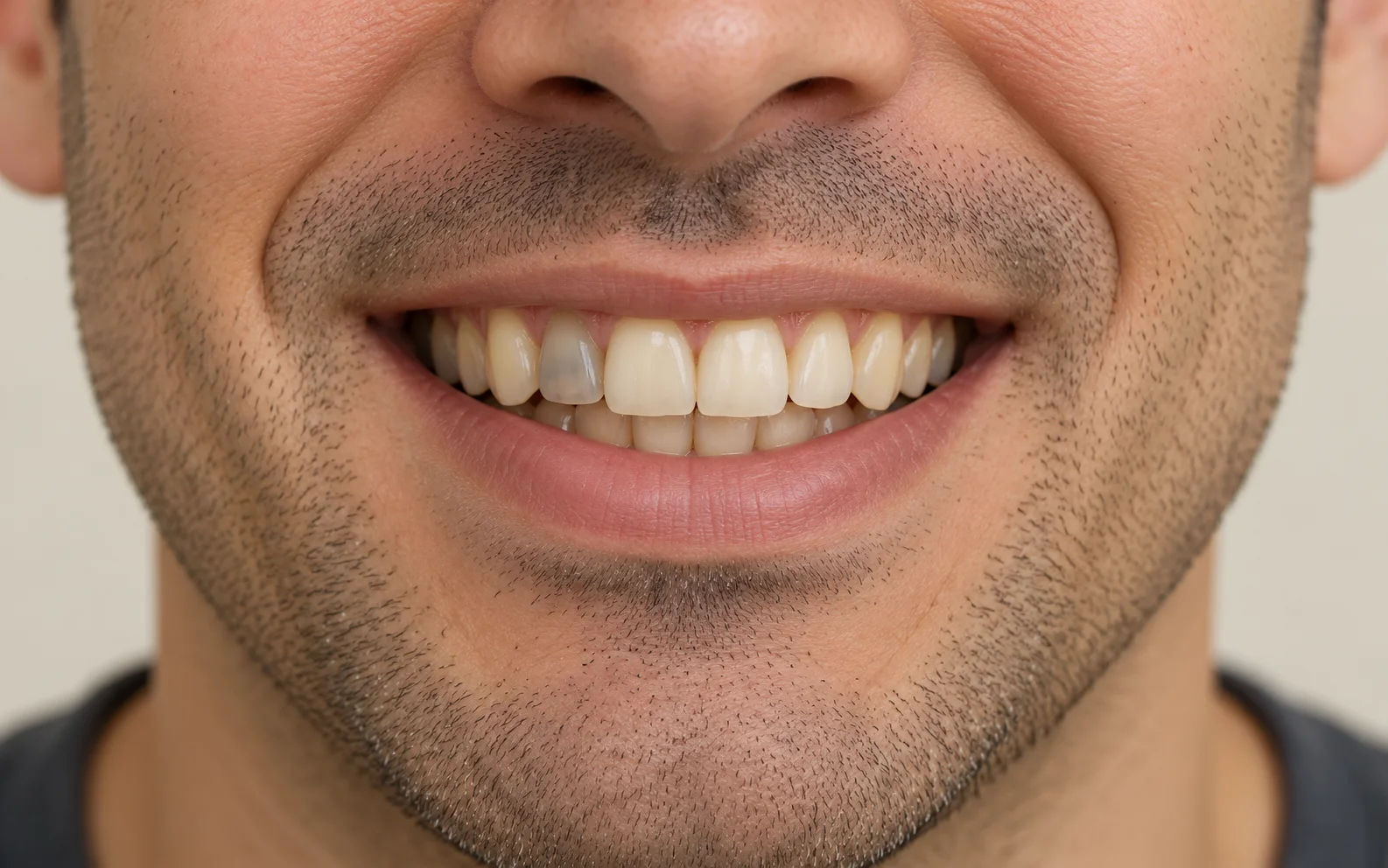
Usually yes. Pain stopping tends to mean the nerve inside the tooth has died rather than healed. The infection carries on quietly at the root tip and comes back weeks later as swelling. The tooth still needs looking at.
This content is for general information only and does not replace an examination.
Edited by
Samed Kağan Bozkurt
Medically reviewed by: Eren Koluaçık, Dentist, Aesthetic Dentistry
This article draws on the clinical experience of the Papatya Dental team and is reviewed for accuracy before publication.
- Last updated:
- 2026-09-21
- Editorial contact:
- icerik@papatyadental.com